Separate loose breakers from installed equipment
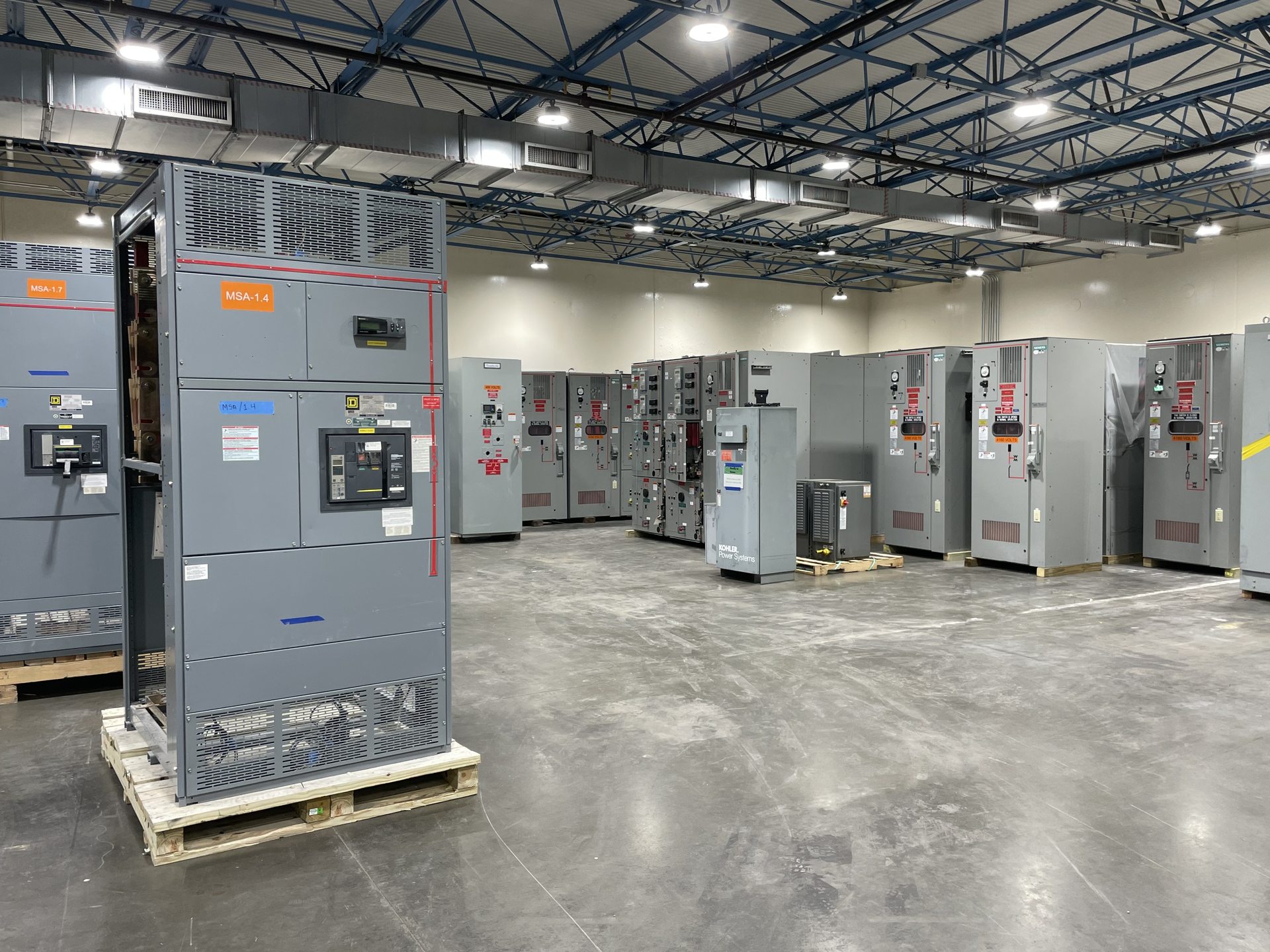
When discussing a vacuum circuit breaker, first clarify whether it is a loose device or part of installed switchgear. A breaker stored separately may be identifiable from its exterior markings and existing records. An installed breaker may belong to a larger lineup, such as metal-clad switchgear, and its value and disposition may depend on the surrounding equipment, configuration, and ownership. These are different situations, so describe which one applies rather than treating every breaker as an identical, standalone item.
If the breaker remains installed or the equipment is operating, you may still inquire using information already available to you. Do not open, operate, or approach energized equipment, and do not enter unsafe areas to gather details. Never touch energized equipment. A conversation can begin with known records, a previously taken photograph, or safely accessible exterior information; you do not need to create new access to answer preliminary questions.
Share identification details only when safely available
For a loose breaker, safely visible manufacturer, model, and rating information can help identify what is being considered. The same details may be available in facility records for an installed unit. A photograph of an exterior nameplate can be useful if it already exists or can be obtained without entering an unsafe area. If a marking is unreadable or a record is incomplete, say so rather than guessing or trying to expose hidden information.
Include other context that is already known, such as whether the breaker is loose or installed, the associated switchgear, its location, ownership, and any known condition. These details are helpful, not a requirement that every seller produce a complete file. A device’s rated voltage is a nameplate or documented equipment characteristic; it does not establish the voltage present at the equipment now. Keep those facts separate, and identify uncertainty plainly.
Describe condition without a test operation
A breaker’s condition may be uncertain even when its exterior appears intact. Existing maintenance records or a prior condition assessment can add context, but a seller does not have to test the breaker or perform a test operation to ask about a sale. Do not operate a breaker to demonstrate function, and do not open equipment to inspect internal components. If there is no reliable condition information, state that the condition is unknown.
Vacuum breakers can be associated with different equipment arrangements and voltage classes. A model or rating can help distinguish one device from another, but it should not be treated as proof of current condition, completeness, or compatibility with another lineup. Share what the label or records actually say, and allow the buyer to assess whether the available information supports a purchase discussion.
Give enough context for an initial review
A practical inquiry can explain whether you represent the owner or are authorized to discuss the equipment, where it is located, and whether the breaker is loose, installed, or part of a larger group. If it is one item among several, an existing equipment list may help describe the scope. For installed equipment, identify the known lineup or facility context without going into an unsafe area to verify details. The business considers equipment across all voltage classes, including equipment associated with closed data centers and power plants.
Do not assume that an inquiry guarantees a purchase. The business buys surplus, used, and decommissioned electrical equipment; it does not sell breakers to the inquirer. The information available, equipment type, and circumstances of the proposed sale all matter to whether a purchase can be considered. An authorized seller can request a cash offer without claiming that a particular breaker has a predetermined value.
Clarify payment and handling before proceeding
For equipment that is purchased, payment is made upfront, and testing by the seller is not required. Freight is covered for purchased equipment. The buyer handles disconnects and the physical handling and transportation arrangements, including crane, rigging, loading, freight, and hauling. The seller should not take on those tasks as a condition of making an inquiry or preparing the equipment for a potential purchase.
These terms do not guarantee that an offer will be made, that a purchase will proceed, or that a particular price or schedule is available. Keep the discussion focused on the equipment and information already safely at hand. If a breaker is installed or operating, say so; do not attempt to make it safe, disconnect it, move it, or arrange for someone else to perform those activities for purposes of the sale.