Start With the Breaker’s Identity, Not an Assumption
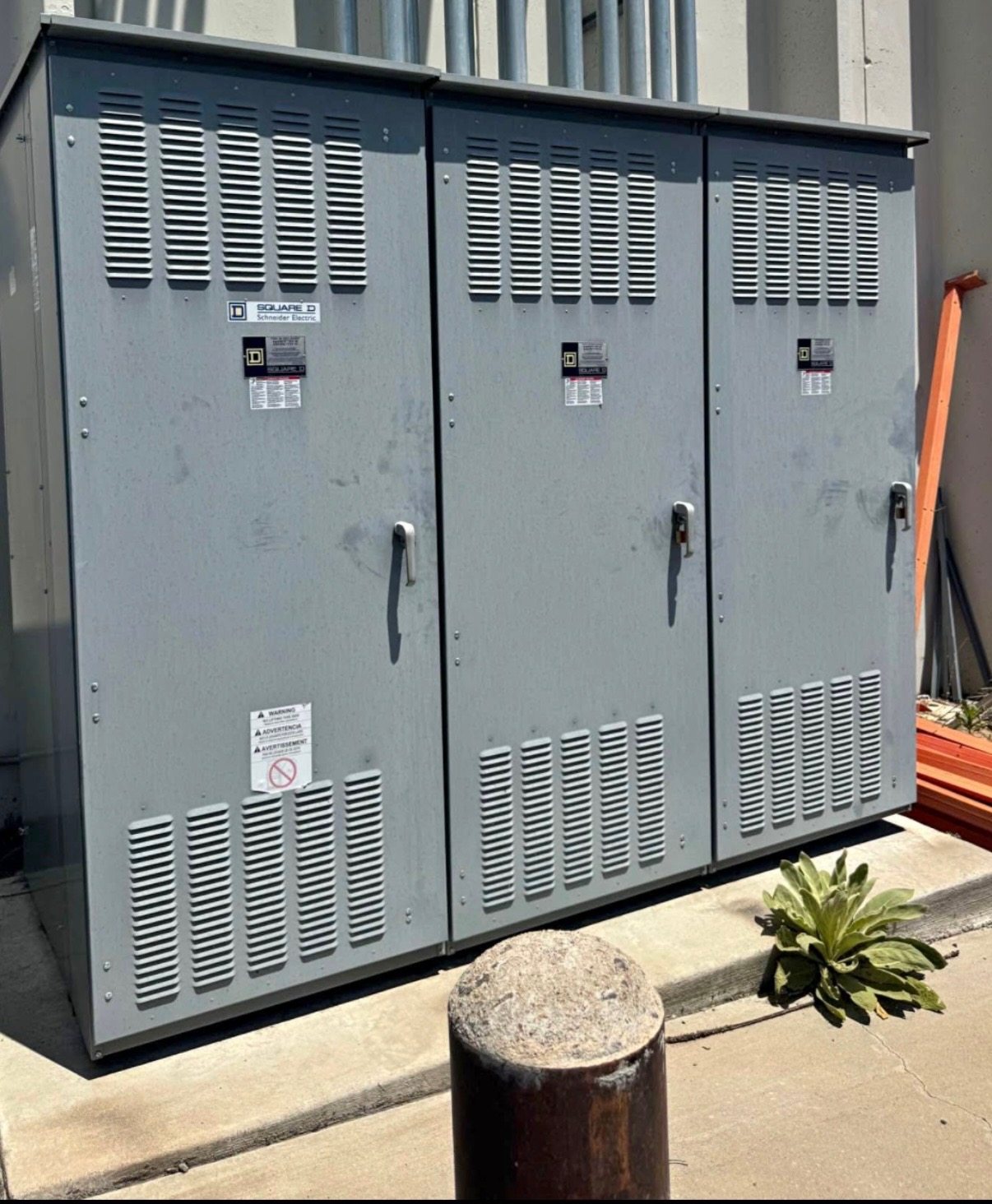
If you are considering a surplus or decommissioned SF6 circuit breaker in Indiana, begin with information already available to your organization. A safely accessible exterior nameplate, equipment schedule, asset record, or existing photograph may identify the manufacturer, type, serial number, rated voltage, and other specifications. Share what you have; you do not need to obtain information that is inaccessible or approach equipment to collect it.
A nameplate’s rated voltage describes an equipment rating, not necessarily the voltage present at the site now. Likewise, an old record may not establish the breaker’s current condition or operating status. Keep documented facts separate from estimates, and identify anything you cannot verify. Breakers across all voltage classes are considered, but an evaluation depends on the information available about the specific unit.
Describe the Insulating Medium With Existing Records
Because SF6 is the insulating medium identified for this equipment, include any existing documentation that describes it. Relevant records might include equipment specifications, maintenance or service documents, an asset file, or information supplied with the breaker. If records state a gas quantity, pressure, condition, or service history, report what the record says and when it was created rather than presenting an old entry as a current measurement.
Do not release gas, open the breaker, or conduct a test to answer questions about the medium. If documentation is missing or unclear, say so. An inquiry can still begin with the breaker’s identity, location, ownership, and the records that are available; uncertainty should be noted rather than filled with a guess.
Include Known Site Restrictions Early
Tell the buyer about restrictions already known to your facility or organization, such as limits on access, scheduling constraints, or site rules that could affect a future transaction. Share only information you are authorized to provide. You do not need to investigate an area, approach equipment, or enter a restricted or unsafe space to develop a description.
Never touch energized equipment. Sellers must not open, operate, or approach energized equipment, and must not enter unsafe areas. If the breaker remains installed or operating, you may inquire using records and information already available to you. Do not attempt to make it safe or prepare it for removal; for purchased equipment, the buyer handles disconnects and physical handling.
Explain Condition Without Testing the Breaker
Useful condition information can come from existing inspection notes, maintenance records, or an authorized equipment list. You can distinguish between a documented fact, a prior observation, and an unknown. For example, a record may show a past service date, while the present operating condition remains unverified. That distinction helps an evaluator consider the asset without asking you to test or operate it.
Testing is not required to submit an inquiry. If you have safely accessible exterior photographs or existing documents, they may help identify the breaker; do not take new photographs if doing so would require approaching equipment or entering an unsafe area. A preliminary discussion does not establish that a purchase will be made or that the equipment has a particular value.
Clarify Ownership and the Scope of a Possible Sale
Provide the facility or site location and confirm that you are the owner or are authorized to discuss the equipment. If the breaker is part of a larger surplus group, an existing equipment list can help describe what may be available alongside it. The business buys used, surplus, and decommissioned electrical equipment, including SF6 circuit breakers; it does not sell breakers to equipment shoppers.
Once the available details are reviewed, you may request a cash offer. An offer or purchase is not guaranteed, and the information provided supports consideration rather than a promise of a transaction. If the breaker is still installed or operating, state that accurately and rely on information already on hand instead of arranging access or work to support the inquiry.
Confirm Responsibilities Before Any Transaction
For equipment that is purchased, payment is made upfront, testing is not required, and freight is covered. The buyer handles crane, rigging, disconnects, loading, freight, and hauling for purchased equipment. The seller should not perform or arrange those operations. Discuss known site restrictions and any relevant existing records as part of clarifying whether the equipment can be considered.
Keep the conversation grounded in what your organization can safely and accurately share: identification, existing insulating-medium documentation, known condition, ownership, location, and site limits. Where a detail is unavailable, say that it is unknown. This gives an authorized buyer a practical basis to review the breaker without requiring you to inspect, operate, test, or move it.