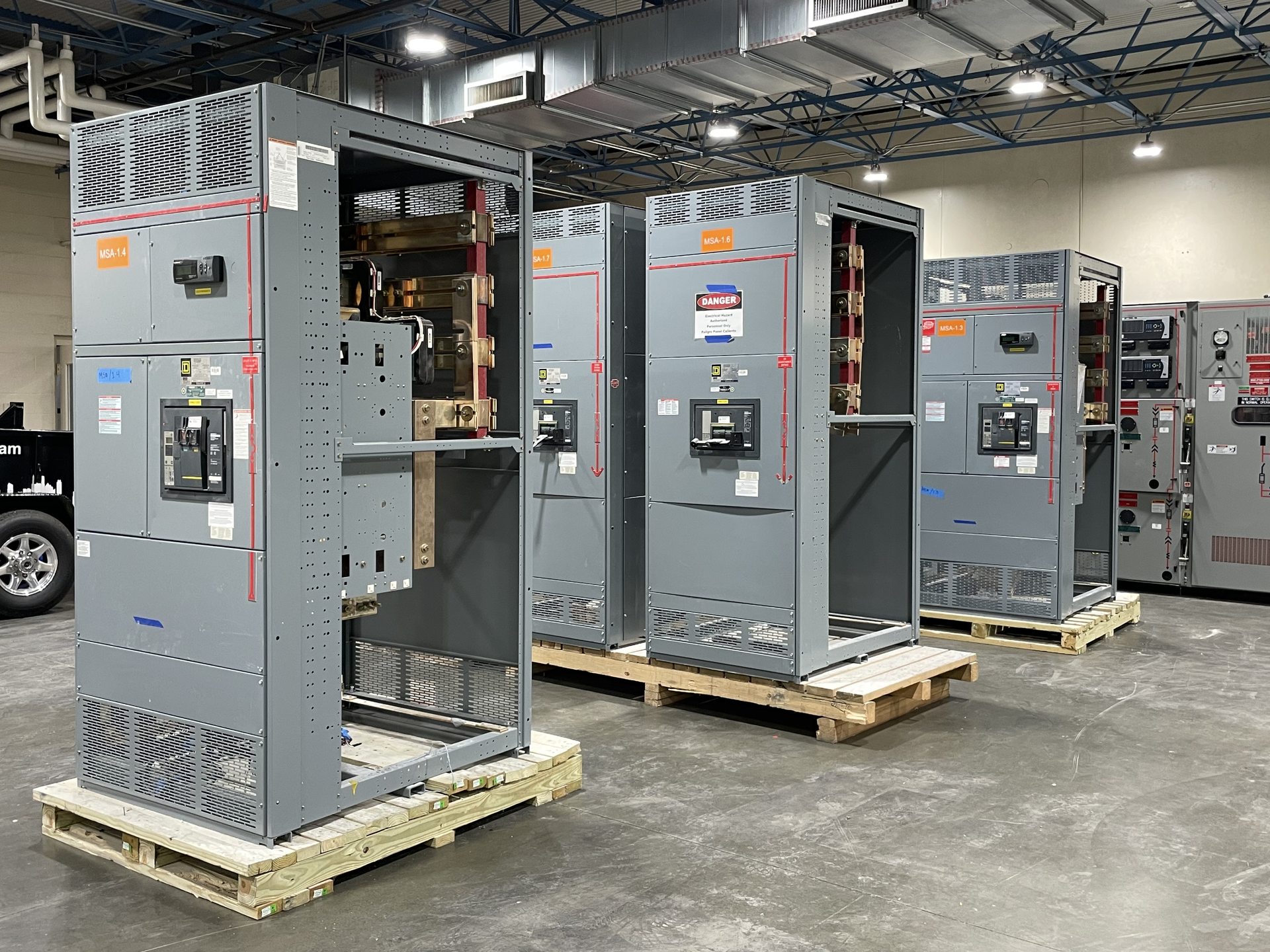
Separate loose breakers from installed equipment
When describing air circuit breakers for a possible sale, identify loose units separately from breakers that remain installed in switchgear or another assembly. A loose breaker can be described as an individual item, while an installed breaker is part of a larger equipment context that may affect how it is evaluated. Keeping these groups distinct helps an authorized seller explain what is available without implying that installed equipment has already been removed or is ready for transport.
If breakers are stored together, share the number of units and any differences you already know, such as distinct nameplate information, visible damage, or included accessories. If they remain installed, describe the equipment they are associated with and whether the inquiry concerns the breakers alone or a broader surplus package. You do not need to approach equipment or retrieve details that are not safely accessible.
Report visible markings without guessing
Information already available from an exterior nameplate or existing records can help distinguish one breaker from another. Useful details may include the manufacturer marking, catalog or type designation, serial number, and marked voltage, current, or interrupting ratings. A safely accessible photo can also help clarify the markings. If a detail is unclear, partly obscured, or absent from the records, say so rather than filling in a likely value.
A marked rating is not confirmation of the voltage present at the equipment. Keep those points separate: report the label as written, and describe live voltage only if it is already known from appropriate records. Do not open, operate, test, or approach energized equipment to obtain information. Never touch energized equipment. A seller can ask about equipment that remains installed or operating using information already available, without making it safe or changing its condition for an inquiry.
Describe condition as observed or documented
For each loose or installed breaker, distinguish known damage from uncertainty. A visible crack, missing cover, corrosion noted in an existing inspection record, or a documented history of a fault may be relevant; describe only what is known and avoid diagnosing the cause. If the condition has not been verified, say that it is unknown. Testing is not required to make an inquiry, and sellers should not test a breaker or arrange testing for this purpose.
Condition details should not be blended across a group. If one loose unit has visible damage while the others have no known issues, identify that distinction rather than describing the entire group with a broad label such as “good.” For installed units, share only observations and records that are already available without entering an unsafe area or approaching equipment that may be energized.
Clarify which accessories are included
Accessories can affect how a breaker is understood, so state what is included when that information is known. Examples may include a separate charging handle, auxiliary switch, or other associated component, but do not assume an accessory belongs with a breaker simply because it is nearby. Describe accessories as loose, attached, or part of the larger assembly only when that is clear from existing information. If inclusion is uncertain, flag it for confirmation.
For installed breakers, explain whether the inquiry covers the breaker alone, related accessories, or the surrounding equipment as well. This distinction can prevent mismatched expectations during review. Do not detach anything, open a compartment, or move items to create a more complete listing. A description and safely accessible exterior photos are enough to begin a conversation; inaccessible details can remain unknown.
Share the setting and ownership context
Include the Indiana location, whether the equipment is loose or installed, and who is authorized to discuss it. For installed equipment, note whether it is still operating if that fact is already known. For surplus equipment from a closed data center, power plant, or another facility, explain the general source and whether the breakers are part of a larger group being considered. Ownership information and an equipment list, if available, can help clarify what may be included.
The business buys surplus, used, and decommissioned air breakers and considers all voltage classes. That does not mean every unit or package will result in a purchase. A cash offer is not guaranteed, and any assessment depends on the information available and the equipment under consideration. A seller can provide partial details first and identify what remains uncertain rather than treating every field as a requirement.
Understand handling and payment responsibilities
For equipment it purchases, the buyer handles disconnects, crane and rigging arrangements, loading, freight, and hauling, and covers freight. The seller should not disconnect, lift, load, ship, or haul equipment, or hire someone to perform those tasks for the inquiry. Never enter unsafe areas or approach energized equipment. If breakers are still installed, state that plainly; do not alter their status to prepare for a possible sale.
Payment is upfront for purchased equipment, and the seller is not required to test it. These terms apply only if a purchase is agreed; neither an offer nor a purchase is guaranteed. Providing accurate distinctions among loose breakers, installed units, visible markings, known damage, and included accessories gives the buyer a clearer basis for review while allowing the equipment to remain untouched.