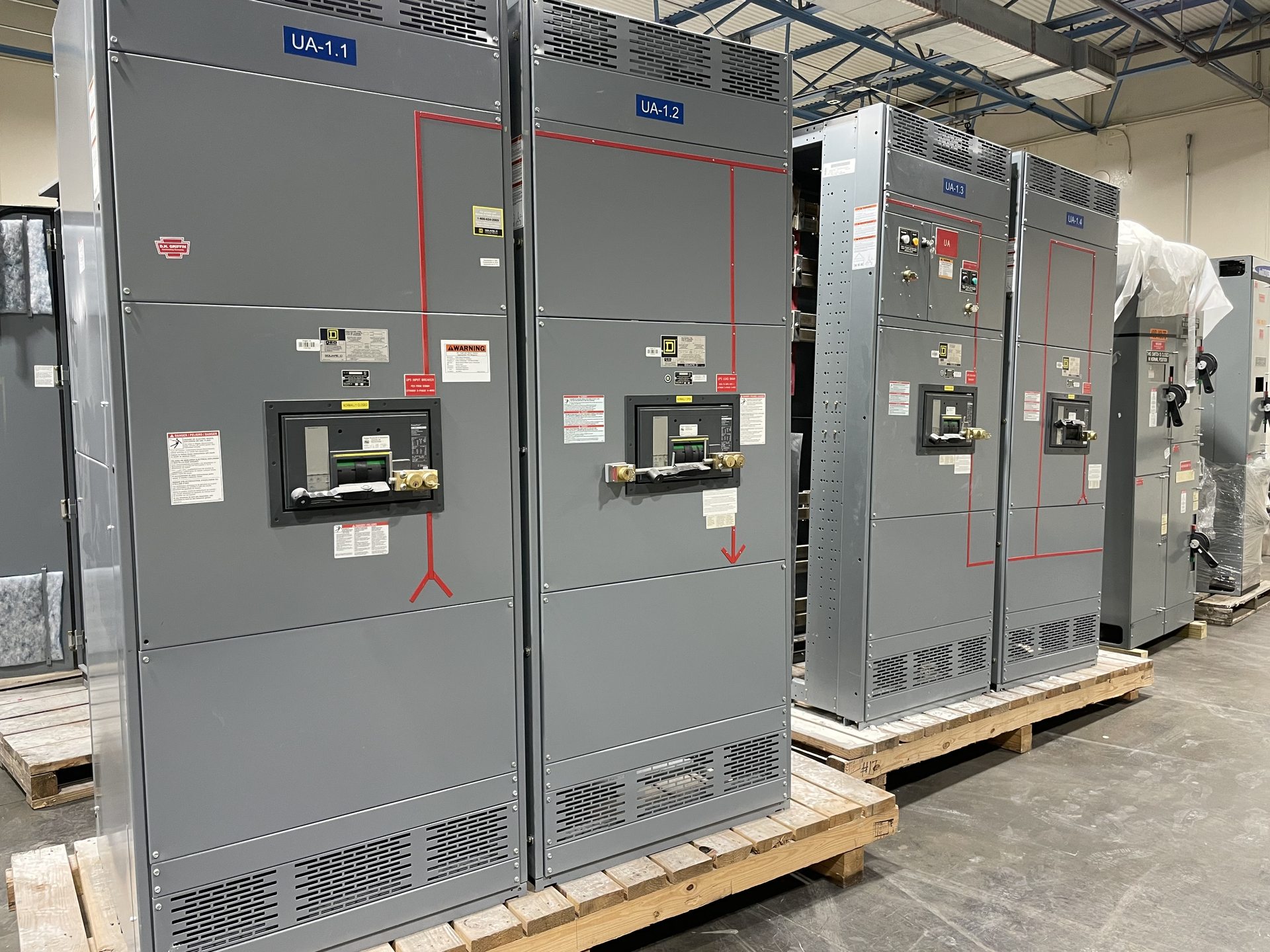
Define Which Station Service Assets Are Being Offered
Station service equipment can sit beside a transformer, connect to a plant distribution system, or form part of a larger electrical lineup. Its location does not establish what is included in a sale. Before requesting an offer, use records already available to describe the specific switchgear or other equipment under consideration, and distinguish it from adjacent assets that are not being offered.
This boundary matters especially when a station service transformer and switchgear appear together on a one-line diagram or equipment list. Do not assume the transformer is included because it feeds the lineup, or that the switchgear is included because it is shown with the transformer. State which assets the owner is authorized to offer and identify any exclusions. If ownership or scope is uncertain, make that uncertainty clear rather than presenting an assumption as a confirmed fact.
Use Existing Records to Identify the Gear
Useful information may already appear on electrical drawings, asset registers, maintenance records, project documents, or safely accessible exterior labels. Share what is available, such as the lineup designation, manufacturer name if shown, equipment type, section count, location within the plant, and any known changes to the original configuration. Photos of safely accessible exterior surfaces can help clarify what the records describe, but no one needs to obtain information from an unsafe or inaccessible area.
Describe the equipment in terms the plant records support. For example, a document may call an asset station service switchgear while a label identifies individual sections or components. Preserve those distinctions when requesting review. If documents conflict, mention the discrepancy and identify the source of each description. A clear account of what is known—and what remains uncertain—is more useful than a confident but unverified equipment description.
Interpret Ratings Without Confusing Them With Operating Conditions
Labels and drawings may state rated voltage, current, interrupting capability, or other electrical characteristics. A rating describes an equipment characteristic; it does not establish the voltage present at the equipment now. Likewise, a drawing may show a system arrangement without confirming the gear’s current condition or configuration. Keep label information separate from present operating status, and do not infer one from the other.
If a rating is difficult to read or absent from the records at hand, say so. An authorized seller can provide safely accessible information already available, but should not open, operate, test, or approach energized equipment to fill gaps. Never touch energized equipment. Sellers must not enter unsafe areas. A conversation about equipment that is still installed or operating can rely on existing records and safely available exterior information; do not put the equipment or people at risk to prepare an inquiry.
Explain Condition and History Carefully
When known, useful context can include whether the gear is installed, stored, decommissioned, or associated with a closed plant area, as well as any documented modifications or known damage. These details help distinguish verified history from a visual impression or an old record. If condition is unknown, say that it is unknown. A seller does not have to test equipment to request consideration, and should not represent untested condition as verified.
For station service assets, changes over time can make old documents incomplete. If the available drawing reflects an earlier arrangement, note its date or explain that its currency is uncertain. Do not assume that a component listed on a historic drawing remains present, or that every visible section has the same rating or ownership. The buyer can review the information provided and determine whether further clarification is relevant.
Understand the Buyer’s Role in a Potential Purchase
The business buys surplus, used, and decommissioned electrical equipment; it does not sell equipment to the plant. It considers station service switchgear across all voltage classes, including equipment associated with power plants, and may consider other assets such as switchboards, motor-control centers, panelboards, busway, automatic transfer switches, breakers, and unit substations. Sharing the equipment’s scope and available records allows the buyer to assess whether to make a cash offer. An offer or purchase is not guaranteed.
For equipment that is purchased, payment is made upfront, testing by the seller is not required, and freight is covered. The buyer handles crane, rigging, disconnects, loading, freight, and hauling. The seller should not undertake or arrange those operations as part of preparing an inquiry. These responsibilities are relevant when defining the proposed transaction: identify the equipment and its location, then let the buyer assess the information without asking plant personnel to move or prepare the gear.
Make the Inquiry Useful Without Taking Unnecessary Risks
An authorized seller can share the asset description, ownership or authority to offer it, location, existing documentation, safely accessible exterior details, photos, and known condition. Not every item will be available for every asset, and missing information can simply be identified as missing. If the equipment remains installed or operating, say so using information already known; there is no need to approach it or change its status to start a discussion.
A focused inquiry should also make exclusions explicit, particularly where station service switchgear is near a transformer or other plant equipment. This helps prevent an offer from being understood to cover assets the owner did not intend to include. Keep records and statements factual, distinguish ratings from live conditions, and leave all equipment handling to the buyer if a purchase proceeds.