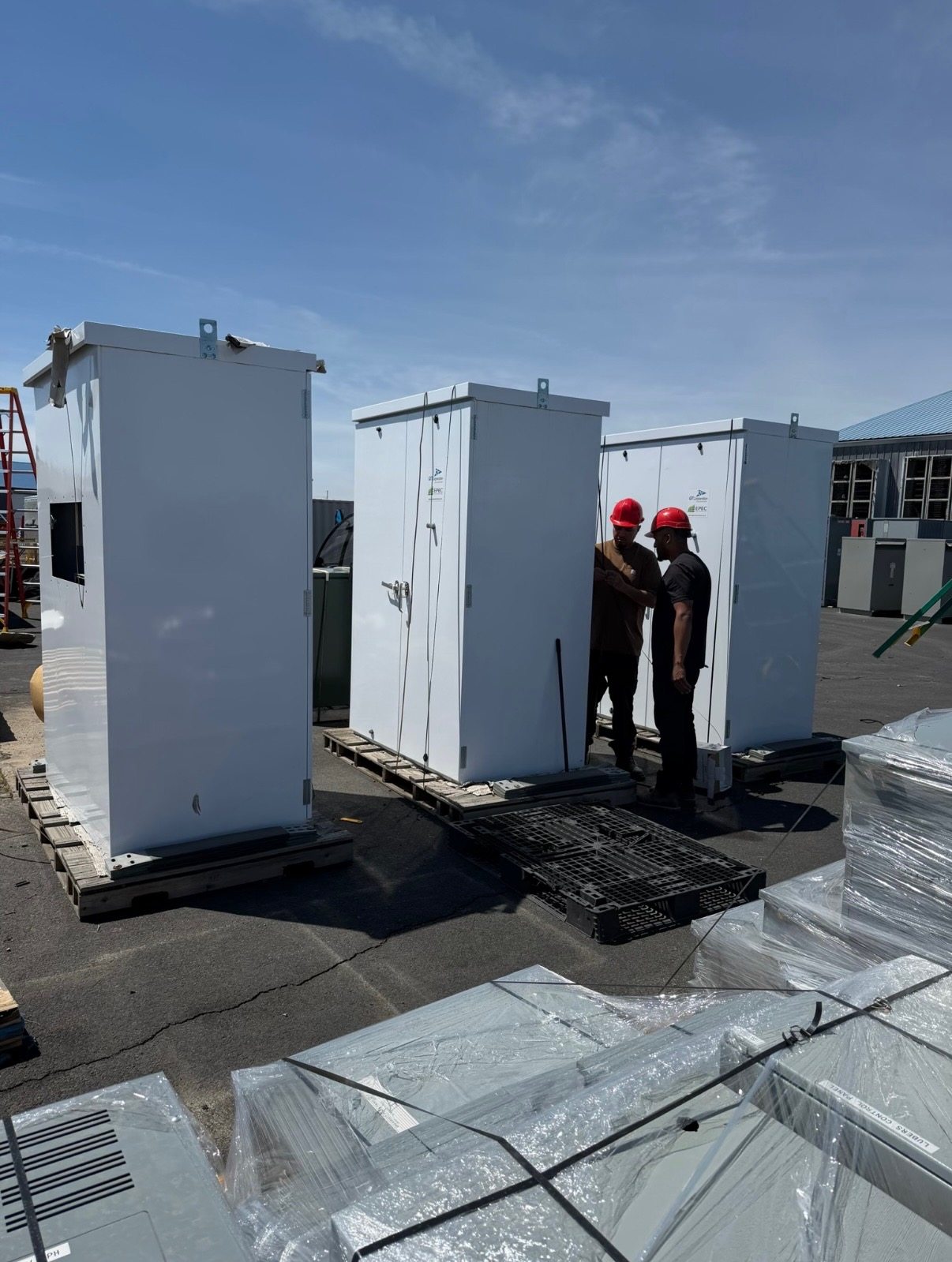
Define the equipment being released, not the plant teardown
A power plant teardown can involve buildings, systems, and equipment that are outside the scope of an electrical-equipment sale. For a potential sale, identify the switchgear or related gear being made available and distinguish it from equipment that will remain in service, be retained, or be handled under a separate project. A clear boundary helps everyone discuss the same assets without treating an equipment buyer as a demolition contractor.
The business buys surplus, used, and decommissioned electrical equipment; it does not sell equipment or undertake plant demolition. It considers switchgear across all voltage classes, including gear from power plants and closed facilities. A discussion can begin while equipment is still installed or operating, using information already available. Do not approach or enter an unsafe area to gather details.
Confirm who can authorize the sale
Share known ownership and authority when requesting an offer; any uncertainty can be clarified before a transaction. At a plant, ownership, operating responsibility, and approval to sell may rest with different parties. The authorized seller should be able to clarify which organization can approve a transaction and whether any internal review is needed before equipment can be released.
It is also useful to identify the planned release date and any known limits on timing. A teardown schedule may shift, or equipment may not be available until a particular project milestone. Describe the expected date as a plan or estimate when it is not confirmed. Do not represent a tentative date as a completed release authorization.
Describe gear with information already at hand
Useful starting details may include equipment type, quantity, location, ownership, and known condition. Safely accessible exterior nameplate information, existing photographs, and equipment lists can help identify what is under consideration. Share what is available; do not make obtaining inaccessible records or details a condition of making an inquiry.
Be precise about what a label establishes. A nameplate rating describes equipment characteristics; it does not by itself establish the live voltage at the equipment or prove its present operating status. If a detail is uncertain, identify it as unknown or unverified rather than presenting an assumption as fact. The seller is not required to test the gear, and should not open or operate it to resolve questions.
Keep safety separate from sale preparation
Never touch energized equipment. Sellers must not open, operate, or approach energized equipment, and must not enter unsafe areas. An inquiry about installed or operating gear can rely on information already available to the seller; discussion does not require the seller to make equipment safe, de-energize it, or alter plant conditions.
If some information cannot be obtained safely, say so and proceed with the available facts. Do not ask facility personnel to inspect hidden components or take new photographs from an unsafe location. The purpose of an initial description is to identify the possible equipment and its status as accurately as practical, not to have the seller perform electrical or handling work.
Clarify what happens if equipment is purchased
A cash offer is not guaranteed, and neither is a purchase. If equipment is purchased, payment is made upfront, testing by the seller is not required, and freight is covered. These terms concern a completed purchase; they are not a promise that every item will receive an offer or be accepted. The buyer handles crane work, rigging, disconnects, loading, freight, and hauling for purchased equipment.
The seller should not arrange or perform those operations as part of an inquiry or sale. There is no need to move equipment, hire someone to move it, or prepare it for shipment. Keep the proposed equipment identified and its release authority clear; the buyer’s handling responsibility applies to equipment that is actually purchased, not to the plant teardown as a whole.
Make the inquiry useful to both sides
A concise inquiry can state that the equipment is from an Indiana power plant teardown, identify the available gear in general terms, and name the authorized seller or the party coordinating approval. Include the anticipated release date, known condition, and any existing records or safely accessible exterior details. If exact specifications or timing remain uncertain, say so plainly rather than delaying an inquiry to obtain information that is unavailable.
Keep the scope, authority, and timing distinct: what gear may be sold, who can approve its release, and when it may become available. That gives the buyer a practical basis to consider the equipment without confusing a potential equipment transaction with demolition, requiring seller testing, or asking plant personnel to take on handling work.