Separate electrical assets from the broader retirement scope
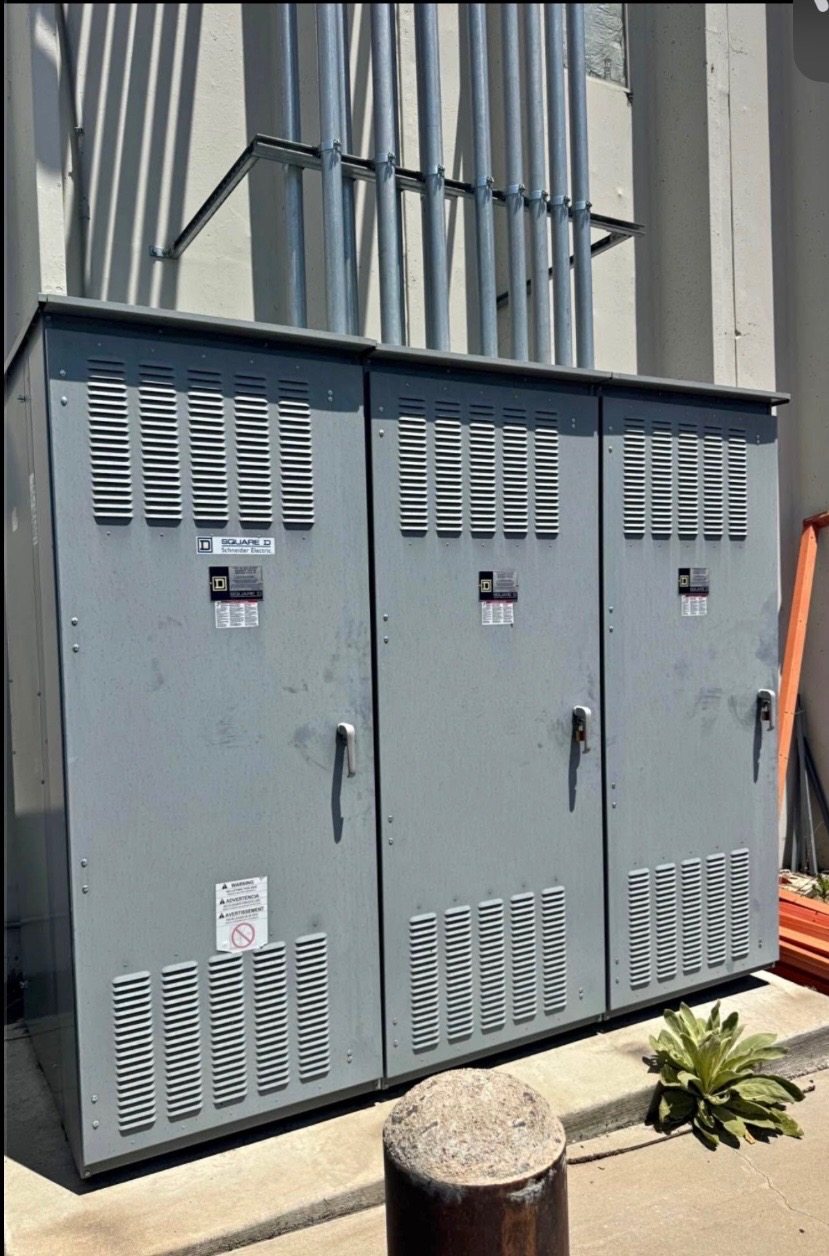
A coal plant retirement can involve several kinds of work at once: shutting down generation, removing fuel and process systems, addressing building or site conditions, and deciding what to do with electrical distribution equipment. Those scopes may overlap in the facility, but they are not the same sale. A buyer of surplus electrical equipment is evaluating identifiable assets such as switchgear, switchboards, motor-control centers, panelboards, busway, automatic transfer switches, breakers, and unit substations—not boilers, coal-handling systems, fuel equipment, or remediation work.
For an Indiana owner or authorized representative, the first useful step is to identify which electrical assets might be considered independently of the plant-wide demolition or environmental scope. A retirement inventory may include equipment serving generation, auxiliaries, maintenance areas, or site distribution. The fact that gear is part of a closed plant does not by itself establish that it is available for sale; ownership, project boundaries, and any existing commitments still matter.
Describe equipment with information already available
An initial review can begin with records and observations the seller already has: equipment lists, safely accessible exterior nameplate details, existing photographs, location within the facility, ownership information, and known condition. Useful context can include whether an item is installed, removed, stored, or associated with a larger assembly. Not every detail will be available, and inaccessible labels or internal components do not need to be obtained to ask whether equipment may be of interest.
Keep confirmed facts separate from estimates. A rating shown on a nameplate describes the equipment’s stated rating; it does not establish the voltage present at a particular moment. If operating status or condition is uncertain, say so rather than presenting an assumption as verified. A buyer can consider information about equipment that remains installed or operating, provided the seller relies only on information already available and does not enter an unsafe area to collect more.
Keep plant-wide responsibilities outside the equipment inquiry
Boiler dismantling, fuel-system removal, building demolition, and site remediation belong to their respective project scopes. They should not be bundled into an electrical-equipment description unless the proposed sale explicitly concerns a defined electrical asset. Clearly identifying boundaries helps avoid confusion over what is being evaluated, who owns an item, and whether it is subject to another contractor’s work or a separate agreement.
Plant retirement records may use broad terms such as “electrical demolition” or “distribution removal.” Those phrases do not necessarily identify the equipment available for a separate transaction. Where possible, connect the description to recognizable assets and their locations, without treating connected systems as automatically included. A buyer may consider surplus and decommissioned electrical equipment from power plants, including all voltage classes, but consideration does not guarantee a purchase or offer.
Understand the evaluation and payment terms
The business buys used, surplus, and decommissioned electrical equipment; it does not sell equipment to plant owners. A seller may provide available details for review and ask whether the assets merit further consideration. Testing is not required from the seller. This can be useful when records are incomplete or equipment has not been assessed recently, but it does not mean that condition, completeness, or suitability is verified in advance.
If the equipment is purchased, payment is made upfront, and freight is covered. An authorized seller can request a cash offer based on the available information, but no offer, purchase, price, or timing is guaranteed. Any proposed transaction should make clear which identified items are included and should distinguish the equipment sale from separate retirement, demolition, or remediation agreements.
Clarify who handles removal and transportation
For equipment that is purchased, the buyer handles disconnects, crane and rigging work, loading, freight, and hauling. The seller does not perform or arrange those operations. This division is important when coordinating with a plant owner’s retirement team, because a sale should not be mistaken for an instruction to prepare, detach, or move equipment on the buyer’s behalf.
Never touch energized equipment. Sellers must never open or operate energized equipment, approach it, or enter unsafe areas. Do not attempt to make equipment safe or gather information that cannot be accessed safely. If status is unknown, leave it unknown and share only what is already available; the buyer’s handling responsibilities for purchased equipment do not authorize a seller to undertake electrical or removal work.
Make the inquiry useful to the retirement team
A concise equipment summary can help keep an inquiry distinct from the plant’s larger closure plan. It may identify the seller’s authority, the equipment categories under consideration, known locations, available records or photographs, and any known limits on access or ownership. If the plant has equipment still installed or operating, that status can be reported from existing knowledge without requiring the seller to inspect or alter it.
Before treating a group of assets as available, confirm internally that the relevant items are within the owner’s authority to discuss and are not already committed under another scope. Then describe uncertainty plainly and let the buyer assess the information provided. This approach gives a potential equipment transaction its own clear boundaries while leaving boilers, fuel systems, and remediation decisions with the teams responsible for those separate retirement activities.