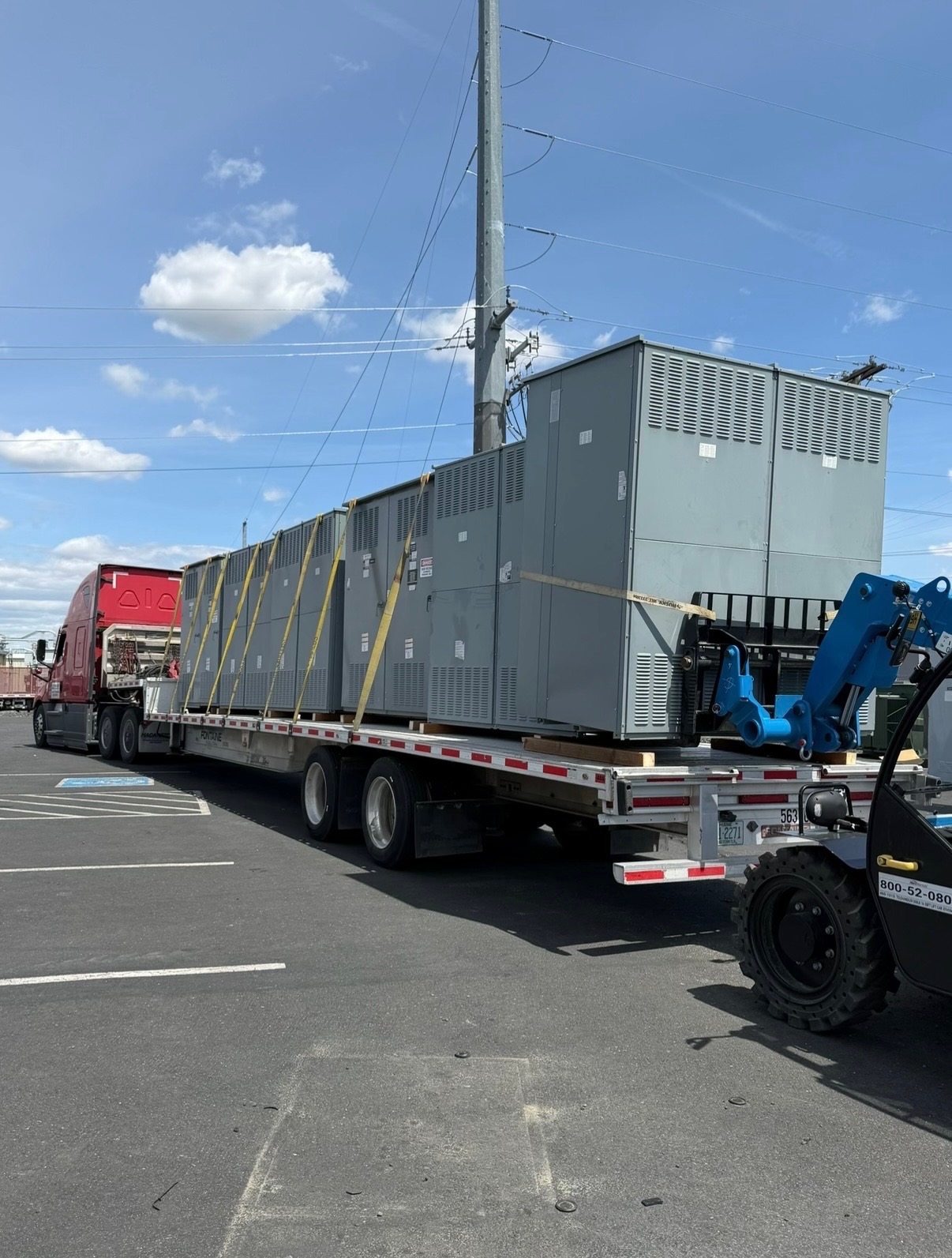
Define the electrical equipment included in the retirement
When a gas-fired plant is being retired, an equipment inquiry is most useful when it identifies the electrical lineup rather than describing the project only as a plant closure. The company buys surplus, used and decommissioned electrical equipment; it does not buy turbines as part of this focus. A seller can identify switchgear, switchboards, motor-control centers, panelboards, busway, automatic transfer switches, breakers or unit substations that may be available. These categories are not interchangeable, so name each lineup or assembly as accurately as existing records allow.
Describe equipment that may be considered without assuming every item will be purchased. A plant may have several lineups serving different areas, and some equipment may remain in service or be excluded from the retirement scope. Existing equipment schedules, asset lists, project documents, or safely accessible exterior nameplate information can help distinguish the items under consideration. Do not enter restricted or unsafe areas to collect details.
Share ratings without confusing them with operating voltage
Voltage class can help characterize equipment, and all voltage classes are considered. If a label or record states a rating, report it as a rating; do not present it as proof of the voltage currently present or of the equipment’s operating status. A lineup’s nameplate information, system description and known service history answer different questions. If a figure is uncertain, identify it as unverified rather than turning an estimate into a confirmed specification.
Other available details may include manufacturer and type as printed on an exterior label, section count, breaker descriptions, approximate dimensions, or known condition. These details are helpful when already accessible, but the seller need not obtain every item. A photograph of the exterior or a copy of an existing equipment list may be enough to begin a conversation. Do not open equipment, operate it, or test it to fill gaps.
Explain what is available and what remains in place
For each candidate lineup, clarify the boundary of the proposed sale using information already known: which assembly is included, whether associated breakers or accessories are included, and whether any portions are being retained. Note whether the gear is still installed or operating, has been retired, or has a status that is not known. Equipment can be discussed while still installed or operating; the seller is not being asked to make it safe or take it out of service in order to inquire.
Never touch energized equipment. Sellers must not open, operate or approach energized equipment, and must not enter unsafe areas. If information cannot be gathered safely from existing records or an accessible exterior, say that it is unavailable. A preliminary discussion does not require a seller to resolve unknown conditions through inspection or hands-on work.
Clarify access, ownership and release constraints
A plant retirement can involve several decision-makers and competing schedules. An authorized seller should explain who owns the equipment, who can approve its release, and whether another party’s approval or a project milestone affects availability. Share known restrictions such as a planned removal window, ongoing plant operations, access controls, or a requirement that equipment remain in place until a stated date. Do not promise access or a release date that has not been authorized.
Location and access context help the buyer assess a possible purchase, but there is no need to send someone into a controlled or unsafe area to document it. State what is already known about the equipment’s location and any practical limits on access. If the gear is installed, identify that fact and any known release conditions; the buyer can consider those constraints as part of its review.
Understand the purchase and handling arrangement
The company buys equipment rather than selling, installing, renting or arranging equipment for a plant. A seller may request a cash offer, but an offer or purchase is not guaranteed. If equipment is purchased, payment is upfront. Testing is not required, and the buyer covers freight. The buyer also handles crane, rigging, disconnects, loading, freight and hauling for purchased equipment.
That division of responsibility matters when planning a retirement. The seller should not disconnect, move, lift, rig, load, ship or haul equipment for the purpose of an inquiry or sale. Nor should the seller arrange those operations on the buyer’s behalf. Instead, describe any known schedule or site-release limits so the buyer can consider whether a purchase is workable. No particular price, purchase decision or timeline should be assumed before the equipment and constraints are reviewed.
Prepare a clear, bounded inquiry
A concise inquiry can identify the plant location, the electrical equipment under consideration, its known status, ownership or authorization, and any release or access restrictions. Include existing records or safely obtained exterior photos if available, while labeling uncertain details plainly. It is fine to begin with incomplete information, especially when some equipment remains installed or some records are unavailable. The purpose is to describe the opportunity, not to inspect or prepare the lineup.
Keep the scope centered on electrical equipment from the retirement, not the generating turbines. A clear distinction between what may be released, what must remain, and what is not yet confirmed gives the buyer a more useful basis to evaluate the equipment without asking facility personnel to take unsafe or unauthorized steps.