Separate electrical assets from the steam system
During a steam generating facility decommissioning, “plant equipment” can refer to very different assets. Switchgear and related electrical equipment may be considered for purchase, while boilers, turbines, piping, valves and other steam-process equipment are separate categories. A clear inventory helps an authorized seller identify which items are electrical assets without suggesting that the entire generating station is part of one sale.
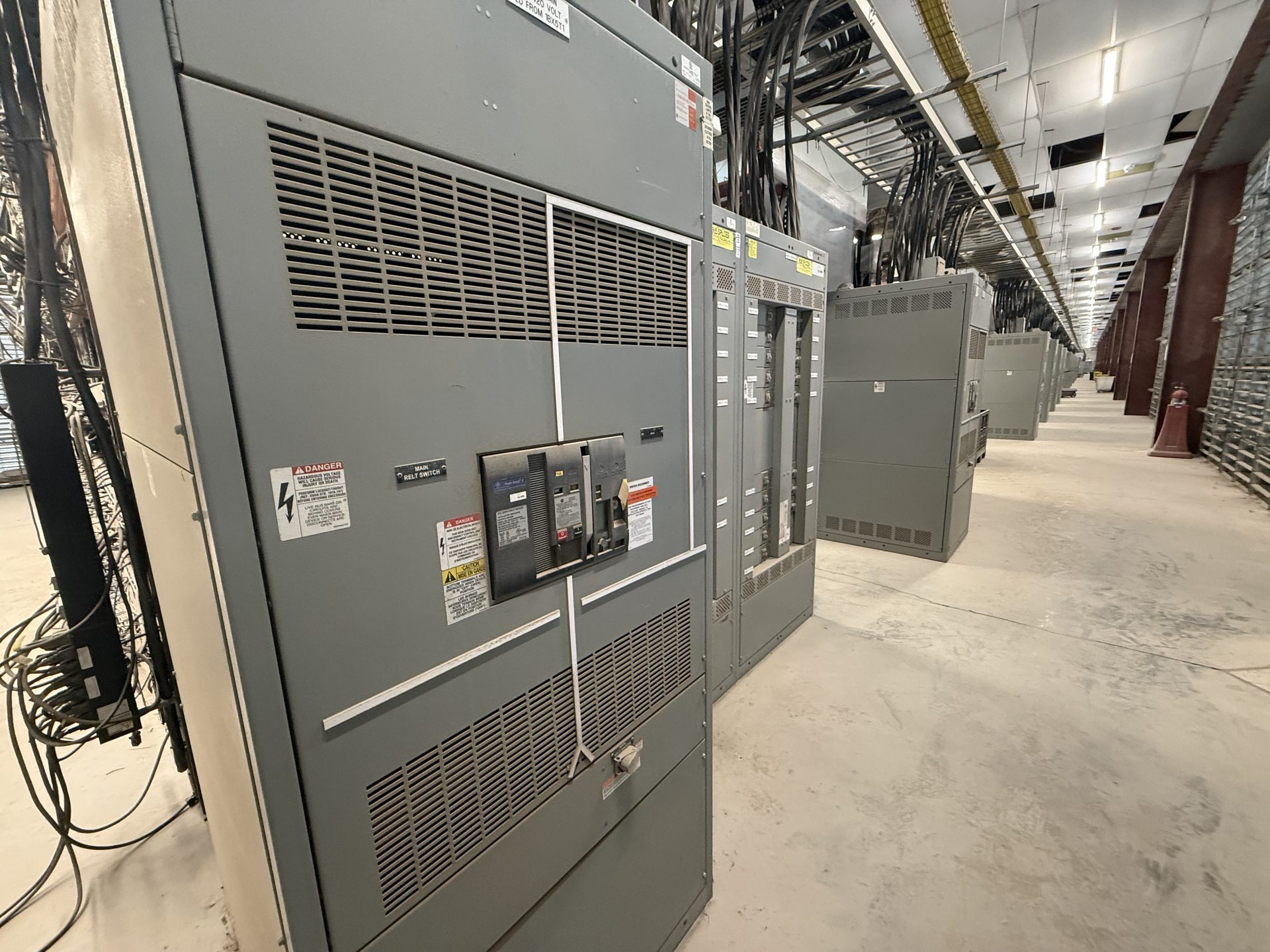
Potentially relevant equipment includes station switchgear, switchboards, motor-control centers, panelboards, busway, automatic transfer switches, breakers and unit substations. Equipment may be considered from closed power plants and across all voltage classes. That does not guarantee that any particular item will receive an offer; its description, quantity, condition and other available information help determine whether it fits the buyer’s current interest.
Use records to describe sections and ratings
Existing equipment schedules, asset registers, one-line diagrams, prior project documents and decommissioning inventories can help describe what is present. If records identify switchgear lineups or sections, preserve those distinctions rather than combining unlike equipment under a broad label such as “electrical gear.” A lineup’s name, section count and listed equipment can make an inquiry more useful, even if some details are unknown.
Share voltage information as it appears in the available records or on safely accessible exterior nameplates, and identify its source when possible. A stated voltage rating describes equipment’s rated capability; it does not establish the live voltage at a particular moment. Do not present an old record, an estimate or an unverified assumption as a current, confirmed operating condition. It is acceptable to say that the voltage is unknown.
Describe what is known without investigating
An initial inquiry can include the facility location, ownership or authority to discuss the assets, equipment types, approximate quantities and any known condition. Existing photographs, lists or safely accessible exterior nameplate details may help distinguish one asset from another. Share only information already available to you; no particular document or detail is a prerequisite for asking whether the equipment may be considered.
Equipment may still be installed or operating when an owner first inquires. You can describe that status using information you already have, without approaching the equipment or trying to confirm it in person. Sellers must never open, operate or approach energized equipment or enter unsafe areas. Never touch energized equipment. Testing is not required for the buyer to consider equipment, and uncertainty should be stated plainly rather than resolved through inspection or operation.
Clarify the scope before discussing a purchase
For a steam plant, scope questions can prevent confusion between an electrical asset and adjacent process equipment. Identify whether a description refers to an entire lineup, a particular section, individual breakers, or another item, using the records available. If ownership, quantity or boundaries are unclear, note that uncertainty instead of assigning equipment to a sale without confirmation.
It is also useful to distinguish equipment that is surplus or decommissioned from assets that remain in service, while making clear that the buyer may consider inquiries about installed or operating equipment. The company buys surplus, used and decommissioned electrical equipment; it does not sell switchgear. A discussion or request for a cash offer is not a commitment by either party, and a purchase is not guaranteed.
Understand the handling and freight arrangement
If equipment is purchased, the buyer handles the crane, rigging, disconnects, loading, freight and hauling, and covers freight. The seller should not take on those operations as part of describing the assets or pursuing an inquiry. This division matters in decommissioning plans: an initial discussion about equipment is separate from any purchase decision and from the buyer’s handling arrangements for equipment actually purchased.
For a purchase, payment is made upfront. The seller is not required to test equipment. These terms do not establish a guaranteed price, purchase, schedule or payment method, and a potential offer depends on the equipment being considered. Avoid assuming that a freight arrangement or an upfront-payment term means a transaction has been approved.
Make an accurate, limited inquiry
A concise inquiry can identify the Indiana facility, the electrical equipment under consideration, the records or photographs already available, and any known limitations in the information. If a plant inventory groups steam-system and electrical assets together, clarify which entries refer to switchgear or related electrical equipment. That gives the buyer a practical starting point without requiring the seller to gather inaccessible details or perform work at the facility.
Keep confirmed facts, estimates and unknowns distinct throughout the discussion. A nameplate rating is not a live-voltage reading, and a decommissioning label does not by itself establish an asset’s condition or sale eligibility. Accurate descriptions help assess whether a purchase is possible while keeping the inquiry within the seller’s existing knowledge and authority.