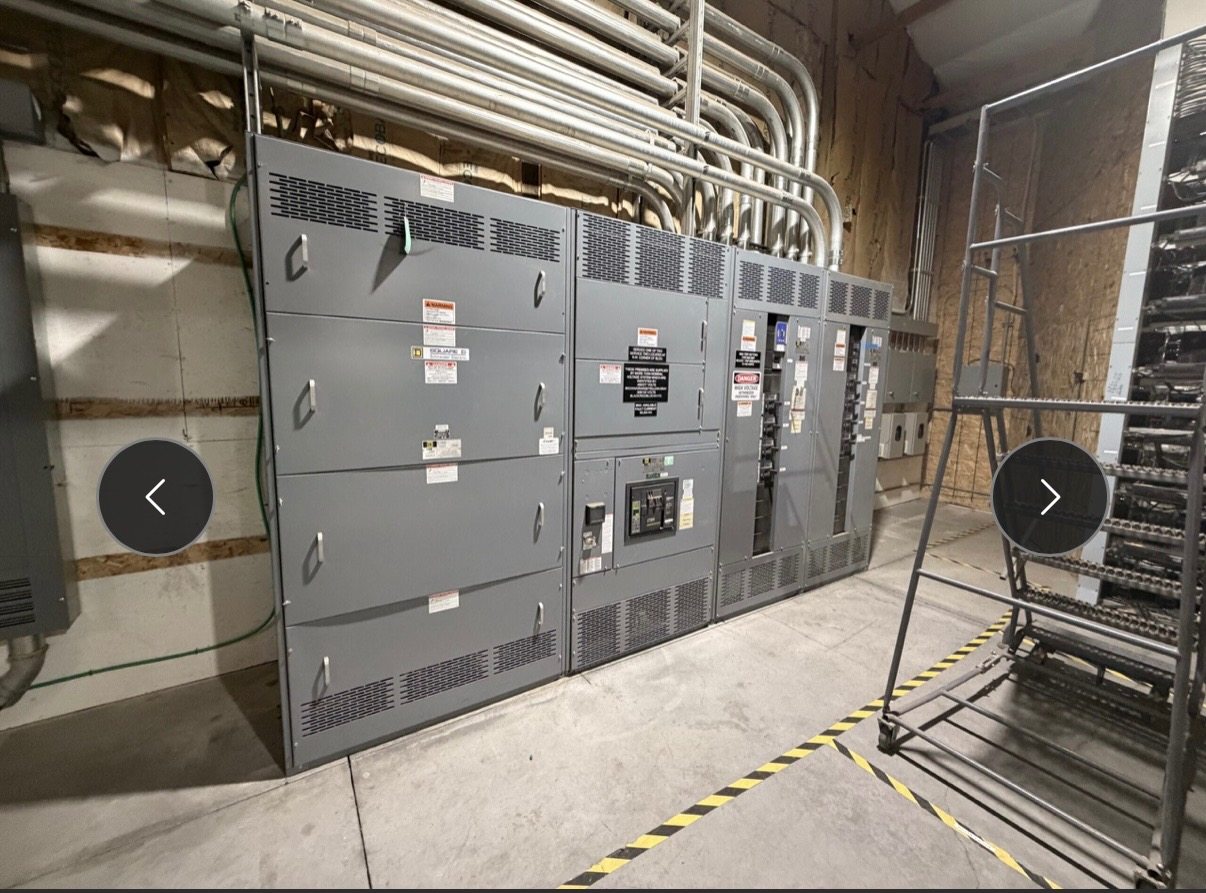
Separate unit equipment from plant-wide infrastructure
When one generating unit retires while other units continue operating, the equipment associated with that unit may not be a complete, independent package. A breaker lineup, switchboard, motor-control center, panelboard, busway, automatic transfer switch, or unit substation might serve only the retiring unit, or it might also support shared plant services. That distinction matters before equipment is identified for a possible sale: equipment still needed by operating areas should not be represented as surplus simply because it is near the retiring unit.
Use existing records and knowledge to describe how equipment is assigned, if that information is available. One-line diagrams, equipment schedules, asset lists, project documents, or an existing retirement inventory may clarify whether a lineup serves one generator, common auxiliaries, or multiple units. If the boundary is uncertain, say so. A preliminary conversation can account for uncertainty; it should not turn an assumption into a confirmed fact.
Describe the retirement boundary clearly
A useful inquiry explains which generating unit is retiring, whether the plant or other units remain in operation, and what equipment is being considered. Include identifiers already available, such as lineup or asset designations, building or area, and approximate quantity. If equipment appears connected to shared systems but its role is not confirmed, flag that relationship rather than labeling it unit-dedicated.
This context helps distinguish equipment that may be released from assets that remain part of ongoing operations. It also helps avoid describing an entire electrical room, distribution system, or plant inventory as available when the retirement affects only one unit. The seller does not need to resolve every technical question before making an inquiry; accurate limits and clearly stated unknowns are more useful than guessed details.
Share information without entering unsafe areas
Information already available can help identify the equipment: ownership, location, known condition, existing photographs, equipment lists, and safely accessible exterior nameplate details. Share only what can be obtained without entering an unsafe area or approaching equipment that may be energized. Never touch energized equipment. Sellers must never open or operate equipment, approach energized equipment, or enter unsafe areas to gather information.
A nameplate rating is not the same as the voltage present at a particular moment. Treat a rating as the marked equipment information, not proof of live conditions. If the nameplate cannot be viewed safely, or if the available records do not establish a detail, report that limitation. Do not attempt to inspect, test, or verify equipment for the purpose of an inquiry.
Explain what is known about condition and status
Describe known condition in plain terms and identify the source of that knowledge when helpful, such as an existing inspection record or a facility inventory. Distinguish observed information from estimates, old records, and unverified assumptions. If operating status is known from normal facility information, it may be included; an inquiry can concern equipment that is still installed or operating. The seller should not change its status or perform work to make it eligible for discussion.
Testing is not required for the buyer to consider equipment. That does not mean a condition, rating, or operational claim is verified merely because it appears in an inventory. A clear account of what is documented, what is known, and what remains uncertain supports a more grounded review and avoids overstating the equipment’s history.
Understand the purchase and handling arrangement
The company buys surplus, used, and decommissioned electrical equipment; it does not sell equipment to the inquiring facility. It considers switchgear and related equipment across all voltage classes, including material associated with a closed generating unit or a larger plant closure. A seller may provide available information to request a cash offer, but neither an offer nor a purchase is guaranteed.
For equipment that is purchased, payment is upfront, and freight is covered. The buyer handles crane, rigging, disconnects, loading, freight, and hauling. The seller should not undertake or arrange those operations as part of the inquiry. These terms describe the arrangement for purchased equipment, not a promise that every listed asset will be accepted or that a purchase will proceed.
Make the equipment scope reviewable
Before sending an inquiry, compare the proposed equipment scope with the retirement boundary as understood from existing information. Identify shared assets separately from equipment believed to serve only the retiring unit, and avoid combining them into one broad description when their roles differ. If ownership is divided or authorization to discuss an asset is unclear, establish the relevant authority through appropriate internal channels before representing it as available.
A concise, candid summary gives the buyer a basis to review the equipment without asking facility personnel to test it or perform physical work. Include accessible identifiers and records where available, note gaps directly, and keep operating plant assets distinct from the unit being retired. That approach supports a practical evaluation while respecting both the continuing needs of the facility and the limits of what is safely known.