Start with ownership, not the equipment list
A power plant switchyard can contain equipment controlled by the plant, a utility, or another party. Before presenting anything for consideration, identify which organization owns each item and who is authorized to discuss its disposition. A station owner should not assume that equipment within the site boundary belongs to the station, or that control of the facility includes authority over utility-owned assets. If ownership or authority is unclear, describe that uncertainty rather than representing the equipment as available for sale.
Boundaries matter too. An equipment list may include plant-side breakers, switchgear, or bus equipment alongside utility-side assets and interconnected equipment. Clarify which specific items are included in the inquiry and which are excluded. The buyer purchases equipment; it does not sell or install gear. A clear account of ownership and scope helps establish whether a potential purchase can be considered without confusing plant assets with equipment belonging to another party.
Describe the particular switching equipment
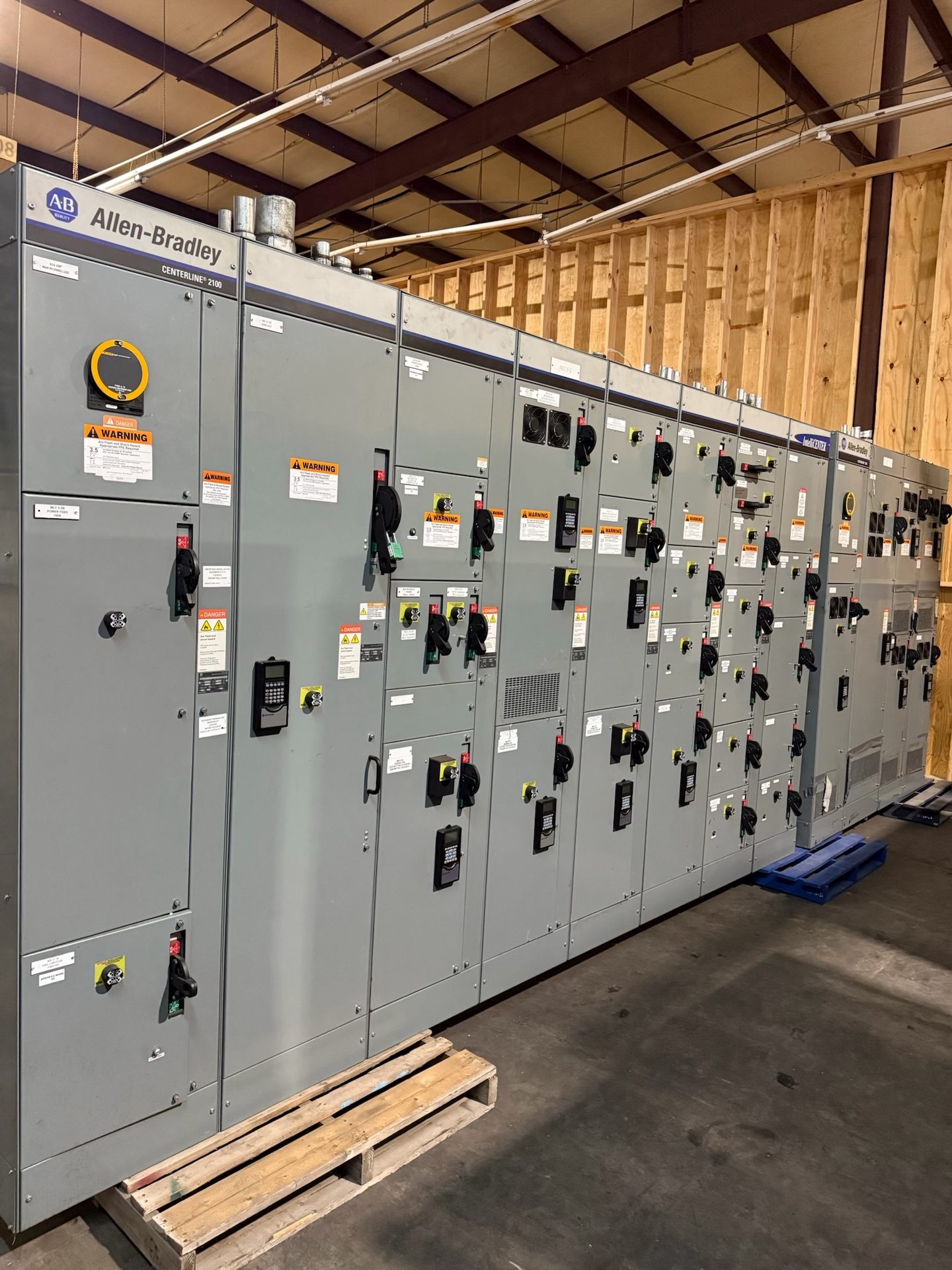
“Switchyard equipment” can refer to very different assets. Name the equipment as specifically as the information already available allows: for example, a breaker, switchboard, bus section, switchgear lineup, automatic transfer switch, or unit substation. For larger assemblies, note whether the offer concerns a complete lineup or only identified sections or components. If an existing equipment schedule or inventory identifies the items, sharing it can be more useful than relying on a broad description of the whole yard.
Useful context may include the manufacturer and type shown on existing records, approximate quantity, location, and known condition. Safely accessible exterior nameplate details or photos may help distinguish similar equipment, but do not enter an unsafe area or approach equipment to collect information. Missing details do not prevent an initial inquiry. State what is known, what is uncertain, and what cannot be accessed rather than filling gaps with assumptions.
Keep rated voltage separate from operating status
A nameplate voltage rating describes the equipment’s rating; it does not establish the voltage present at a particular moment. Likewise, a record of an equipment rating does not prove that the equipment is energized, isolated, or available for removal. Share rated information from existing documentation or a safely accessible exterior label, and describe operating status only if it is already known. If status is unknown, say so plainly.
It is possible to inquire about equipment that remains installed or operating using information already available. Do not open, operate, test, or approach energized equipment, and do not enter an unsafe area to improve an equipment description. Never touch energized equipment. The seller does not need to make equipment safe, verify its condition, or perform testing to ask whether a purchase may be considered.
Explain site access without taking on the work
For a switchyard inquiry, identify the plant or site location and share relevant access or boundary information already available to the authorized seller. Note known restrictions or coordination requirements, such as a separate asset owner or a site contact who must be involved. These details help clarify the setting; they are not a request for the seller to arrange physical work or to enter areas that are not safe or authorized.
If equipment is purchased, the buyer handles disconnects and the physical logistics, including crane, rigging, loading, freight, and hauling. Freight is covered for purchased equipment. The seller does not perform or arrange those operations. Avoid treating a discussion of access as permission to move equipment or as a commitment that a purchase will proceed; any purchase depends on the buyer’s consideration of the particular equipment and circumstances.
Set expectations about payment and evaluation
The business considers surplus, used, and decommissioned electrical equipment, including switchgear, switchboards, motor-control centers, panelboards, busway, automatic transfer switches, breakers, and unit substations. It considers all voltage classes, including equipment from power plants. Sharing an equipment list, known ownership, location, and available condition information can support an initial review. The seller is not required to test equipment as a condition of making an inquiry.
An inquiry may lead to a cash offer, but neither an offer nor a purchase is guaranteed. For equipment that is purchased, payment is made upfront; that statement is not a promise that every inquiry will result in a transaction. Keep the distinction clear when coordinating internally: a potential offer is not approval to dispose of an asset, and only an authorized representative should speak for the equipment owner.
Make the inquiry specific and bounded
A concise inquiry can identify the authorized seller, the equipment owner, the items under consideration, the site location, and any known ownership or access limits. Include existing records or safely obtained exterior information if available, and flag any unknowns. There is no need to approach equipment, open enclosures, or obtain details that are inaccessible. This approach gives the buyer a practical basis to consider the identified switchyard equipment while preserving the distinction between known facts, estimates, and unanswered questions.