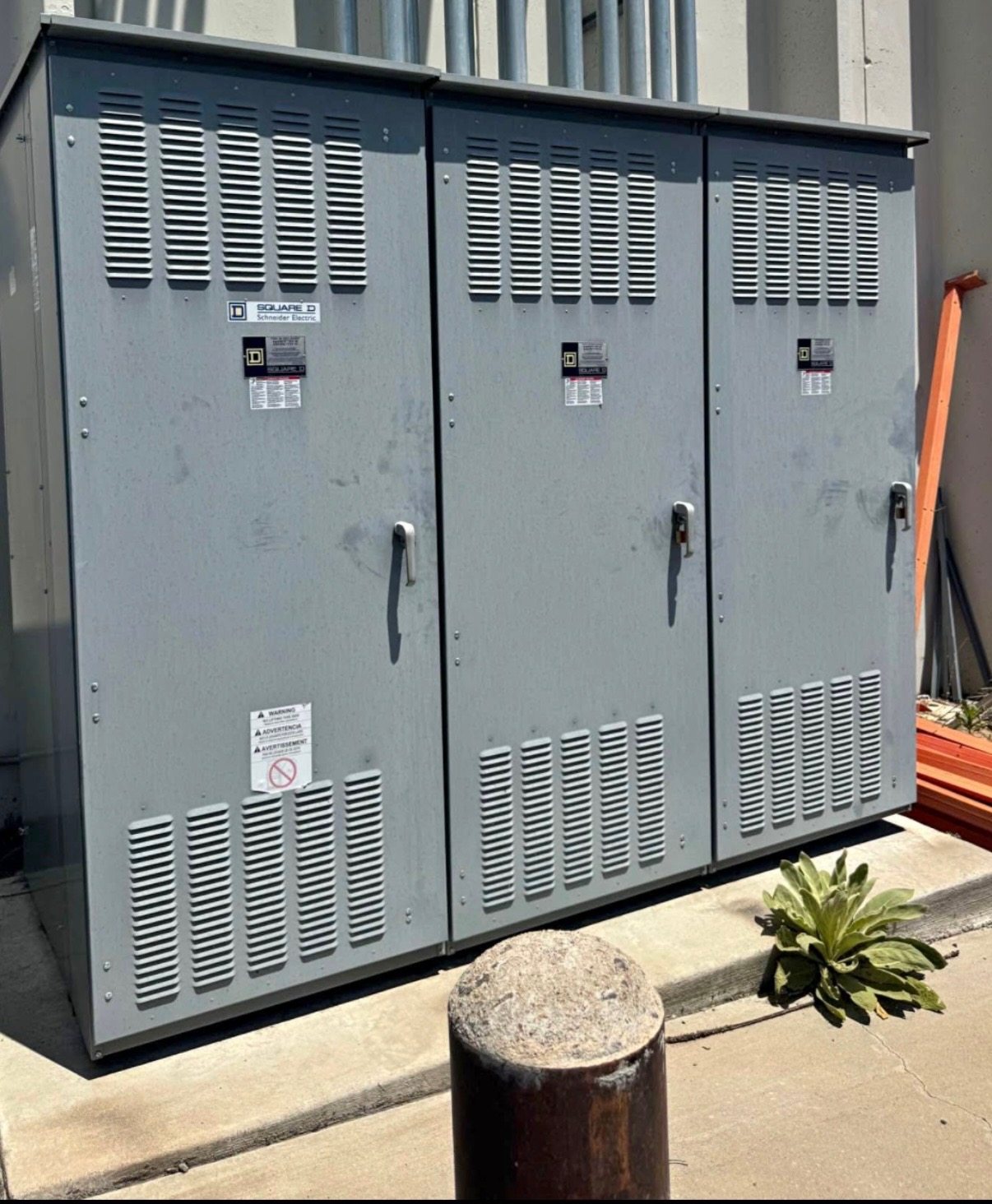
Separate shelf spares from breakers in station switchgear
A power plant may have circuit breakers stored as replacement inventory, devices assigned to a particular unit, and breakers still installed in switchgear. Those categories matter when describing equipment for a possible sale. A stored spare may be available for review without affecting operating equipment, while an installed breaker may be part of a station’s current electrical system or a planned outage scope. Identify which situation applies using information you already have; do not operate equipment or enter an unsafe area to confirm it.
If a breaker remains installed or the switchgear is still operating, you can still ask about it based on existing records and information safely available from outside the equipment. Be clear that it is installed, rather than describing it as a loose spare. Never touch energized equipment. Sellers must not open, operate, or approach energized equipment, and should not go into unsafe areas to collect details. A sale inquiry does not require you to make equipment safe or change its condition.
Use visible identifiers and known quantities
For breakers that are safely accessible in storage, useful information may include exterior nameplate details, a visible manufacturer or type designation, catalog or serial identifiers, and the quantity on hand. Photos of exterior labels or the breaker as it is already stored can help distinguish units that otherwise look similar. Do not open a breaker or enclosure to find a label, and do not retrieve details from a location you cannot safely access. Share only what is already available.
For installed devices, records may identify the breaker by switchgear lineup, cubicle, feeder, unit, or equipment schedule. A count from an existing spare-parts list can be more useful than a new physical count when access is restricted. If records conflict or the quantity is uncertain, state that plainly. A preliminary estimate is not the same as a verified inventory, and uncertainty should not be presented as fact.
Keep ratings distinct from operating conditions
Breaker ratings describe equipment characteristics; they do not establish the voltage present at a particular moment. An exterior label or plant record may show a rated voltage, current, interrupting information, or other design data, but the actual live condition is a separate matter. Do not infer that equipment is de-energized from a rating, a storage location, or an outdated document. Avoid making electrical measurements or tests for a sale inquiry.
When a label is incomplete, obscured, or unavailable, say so rather than guessing. An equipment list, purchase record, or prior maintenance record can still support an initial review, provided you identify it as recorded information. The buyer considers equipment across voltage classes, but that does not mean every breaker will result in an offer. Accurate distinctions help the buyer assess what is being represented without asking plant personnel to take risks or perform testing.
Explain ownership, condition, and availability
State whether the breakers belong to the plant or another party, and whether they are surplus, decommissioned, or retained as operational spares. If ownership authority rests with a company, utility, contractor, or asset manager, confirm who is authorized to discuss a sale. Describe known condition in qualified terms, such as “stored, condition not recently assessed,” or “installed; status based on plant records.” Do not claim that a breaker works unless that is established by information you are authorized to share.
Also explain whether quantities are available now, associated with a planned project, or dependent on future decisions. A plant may have sound reasons to retain spares for reliability or outage planning. A request for review does not commit the owner to sell, and asking for a cash offer does not guarantee that the buyer will make one or that any particular value will be assigned.
Understand the transaction and handling responsibilities
The business buys surplus, used, and decommissioned electrical equipment; it does not sell breakers to the plant. For equipment it purchases, payment is upfront, testing by the seller is not required, and freight is covered. The buyer also handles crane, rigging, disconnects, loading, freight, and hauling for purchased equipment. The seller should not disconnect, move, lift, load, ship, or arrange those activities as part of making an inquiry.
These terms apply if equipment is purchased, not simply because information has been submitted. A purchase, payment, or offer is not guaranteed, and any assessment depends on the particular equipment and details available. You can begin with a basic description, known quantity, location within the facility, visible identifiers, ownership, and known condition. Missing details can be identified as unknown instead of pursued through unsafe access.
Prepare a clear inquiry from Indiana
For an Indiana power plant, a concise equipment summary can separate stored spares from installed breakers and prevent unlike items from being grouped together. Share the records or safely accessible exterior information you already have, note whether each quantity is exact or estimated, and indicate if a device remains installed or operating. Include photographs only when they can be taken without approaching equipment or entering a restricted or unsafe area.
This gives an authorized seller a practical basis to discuss surplus equipment while protecting plant operations and personnel. Do not test breakers, change their status, or arrange handling to improve an inquiry. Where information is uncertain or access is unavailable, say so; the buyer can consider the details provided without requiring the seller to obtain every identifier.