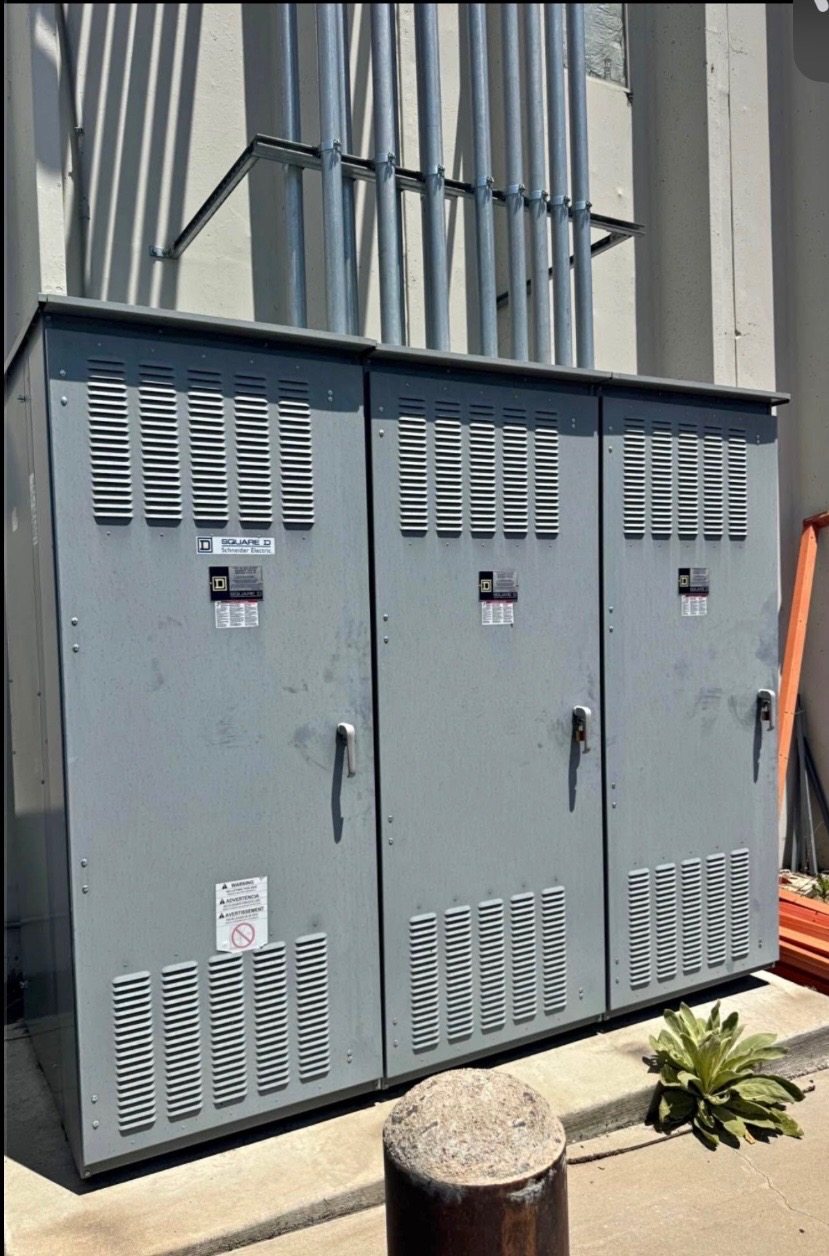
Describe the Outdoor Switchgear as It Exists
When considering a sale of outdoor switchgear in Indiana, start with what you already know about the equipment and its location. A useful initial description may include the facility or site, whether the gear is installed or has been removed, its general purpose, and whether it is surplus, decommissioned, or still in service. You can inquire about equipment that remains installed or operating using information already available; it does not have to be taken out of service before you ask about a sale.
Never touch energized equipment. Do not open, operate, or approach energized gear, and do not enter an unsafe area to gather details or take photographs. Share only information and images you can access safely. If a label or enclosure detail cannot be seen without approaching or opening equipment, say that it is unavailable rather than trying to retrieve it.
Report Visible Enclosure Condition, Not an Assumed Rating
Outdoor enclosures face weather exposure, so visible condition can help a buyer understand what is being offered. If safely observable, describe issues such as apparent corrosion, dents, missing exterior panels, damaged paint, standing water nearby, or signs that doors or covers are incomplete. Distinguish what you have directly observed from a concern or secondhand report. For example, “visible corrosion on the lower exterior” is more useful than a broad statement that the gear is unusable.
Do not infer a weather rating from appearance, age, or the fact that equipment was installed outdoors. A rating, if present on safely accessible labeling or records, is a separate piece of information and should be reported as shown, not guessed. The equipment’s marked rating also does not establish its present condition. If the label is unreadable or unavailable, make that uncertainty clear.
Use Labels Carefully and Separate Rating from Live Voltage
Safely accessible exterior nameplate details can help identify the equipment, including manufacturer information, type, catalog or serial information, and marked electrical ratings. Existing equipment lists, drawings, or maintenance records may supply details that are not visible. There is no need to obtain every specification before making an inquiry; provide what is already available and identify gaps.
A voltage rating on a nameplate describes an equipment rating, not necessarily the voltage present at the site now. Do not state that a piece of equipment is energized or de-energized based only on its label. If current operating status is uncertain, say so. The buyer can assess the information provided without asking the seller to test, open, or operate the switchgear.
Clarify Ground Access Without Taking on Handling
Access conditions matter when the buyer evaluates outdoor equipment. From a safe location, describe the general route to the gear, whether it is in an open yard or behind a building, and any known limitations such as restricted site access or a narrow approach. Share known site requirements and the best contact or process for arranging access, if applicable. Do not enter a restricted or unsafe area to inspect a route or improve access.
Ground access is information for planning, not a request for the seller to prepare or move the equipment. For equipment purchased, the buyer handles disconnects, crane and rigging, loading, freight, and hauling, and covers freight. The seller should not disconnect, lift, load, ship, or arrange those operations. Whether equipment is still installed or already removed, describe its status accurately and leave handling to the buyer.
Identify Which External Accessories Are Included
Clarify what belongs to the sale, particularly items stored near the switchgear or attached to its exterior. Depending on the actual installation, that could include visible external control cabinets, heaters, canopies, conduits, or other associated components. Name only items you can identify, and distinguish equipment that is included from nearby property that is not. If ownership or inclusion is unclear, flag the question for resolution rather than assuming.
Photographs taken from a safe, permitted location can help show the enclosure and nearby accessories, but they are not a substitute for an inventory when components are hard to distinguish. Existing records or a facility equipment list may clarify what is associated with the gear. No one should open an enclosure or approach energized equipment to produce a more complete image.
Make an Inquiry with Practical, Available Information
An authorized seller can share ownership or sale authority, location in Indiana, known condition, equipment status, safely accessible label information, photos, and any available inventory. The buyer considers used, surplus, and decommissioned outdoor switchgear across voltage classes; a particular rating or completeness level does not guarantee a purchase. Testing is not required. The buyer may make a cash offer if the equipment and circumstances fit, but neither an offer nor a purchase is guaranteed.
For purchased equipment, payment is upfront, while the buyer takes responsibility for the stated removal and transportation work and covers freight. Before proceeding, make clear which equipment and accessories are included and disclose known access constraints or condition concerns. Keep the conversation grounded in verifiable details and clearly marked unknowns; that gives both parties a sound basis to decide whether the outdoor switchgear is a fit for a sale.