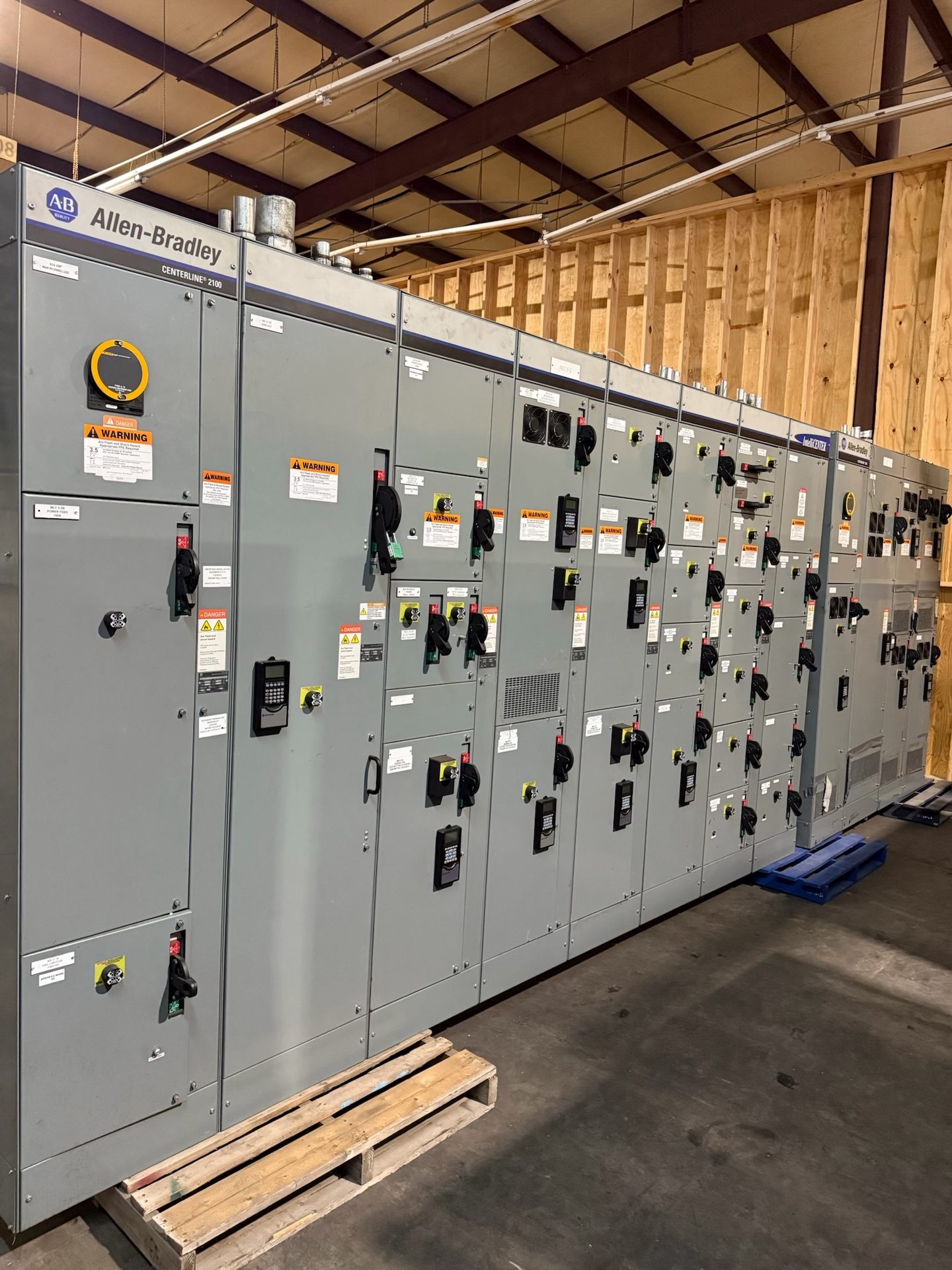
Describe the Fused Switchgear You Own
If you are responsible for surplus, used, or decommissioned fused switchgear in Indiana, a clear description can help establish whether it may be a candidate for purchase. Share what you already know about the equipment, such as its general type, approximate quantity, location, ownership, and known condition. It can be worth mentioning whether the gear is stored, removed from service, or still installed or operating. You may inquire about installed equipment using information already available; do not enter an unsafe area or approach equipment to gather details.
Fused switchgear is not interchangeable with every other form of electrical distribution equipment. Its configuration and purpose matter, as do the ratings and devices identified on its labels. The buyer considers equipment across voltage classes, including equipment from closed data centers and power plants, but that does not guarantee a purchase or a particular value. An initial description helps determine what information may be relevant without asking you to perform a technical inspection.
Use Only Information You Can Access Safely
If manufacturer information or ratings are visible from a safe, accessible exterior location, you can share them or provide a photo. Do not open doors, covers, or compartments to look for a label, and do not approach energized equipment. Never touch energized equipment. If a nameplate is obscured or inaccessible, say so rather than trying to obtain it. Photos and equipment lists already on hand can also help, but no single piece of information should be treated as something you must retrieve.
When sharing ratings, distinguish the printed rating from the voltage present at a particular moment. A label may identify a design or equipment rating; it does not establish live voltage or confirm current operating conditions. If you do not know what a marking represents, provide the wording as shown and identify it as unverified rather than interpreting it as fact. That distinction helps prevent a rating from being mistaken for a measurement or an assurance about condition.
Clarify Whether Fuses or Related Devices Are Included
Fused equipment may be offered with spare fuses or related devices, or those items may be separate. If you already know what is included, describe it plainly: for example, note whether spare fuses are part of the equipment being considered or whether associated devices are listed separately. If you do not know, say that the inclusion is unknown. Do not open a compartment or handle equipment to check. Information from existing inventories, records, or safely accessible exterior views is enough to share if available.
Be precise about what is being offered rather than assuming that every accessory belongs with the switchgear. An equipment list may identify related items separately, while a general description may leave their status unclear. The buyer can consider the information provided and ask for clarification if needed. You do not need to prove completeness or conduct testing to make an inquiry.
Explain Condition Without Making a New Inspection
Useful condition details are facts you already have: whether the equipment is described as used or surplus, whether its operating history is known, or whether records note missing components or prior issues. Separate documented information from an impression. If condition is uncertain, say so. Do not operate equipment, test it, or enter an unsafe area to answer questions. Testing is not required for the buyer to consider equipment, and the absence of a test result should not be presented as proof that the gear works or does not work.
If the switchgear remains installed or in operation, mention that status if known, but do not change its condition to prepare for a discussion. The buyer can consider an inquiry based on available details. Sellers should not open, operate, or approach energized equipment, and should not attempt to make equipment safe or ready for removal.
Understand the Purchase and Freight Responsibilities
The business buys surplus, used, and decommissioned electrical equipment; it does not sell fused switchgear. If the equipment is purchased, payment is made upfront, and testing is not a prerequisite. Freight is covered for purchased equipment. The buyer handles crane, rigging, disconnects, loading, freight, and hauling. The seller does not perform or arrange those operations, so an inquiry should not turn into a request for you to move or prepare the equipment.
These terms apply to a completed purchase, not automatically to every inquiry. A cash offer is not guaranteed, and neither is a purchase. Share the basic information already available so the buyer can assess whether to proceed; do not infer a price, schedule, or commitment before an offer is made and accepted.
Make an Inquiry With Clear, Limited Details
A practical inquiry can identify the fused switchgear, its location, who owns it or is authorized to represent the owner, and any safely accessible manufacturer or rating information. Add known details about spare fuses or related devices, condition, and whether the equipment remains installed or operating. Mark uncertain points as unknown, and omit anything you cannot obtain safely. This gives the buyer a useful starting picture while keeping the conversation within your role as owner or authorized seller.