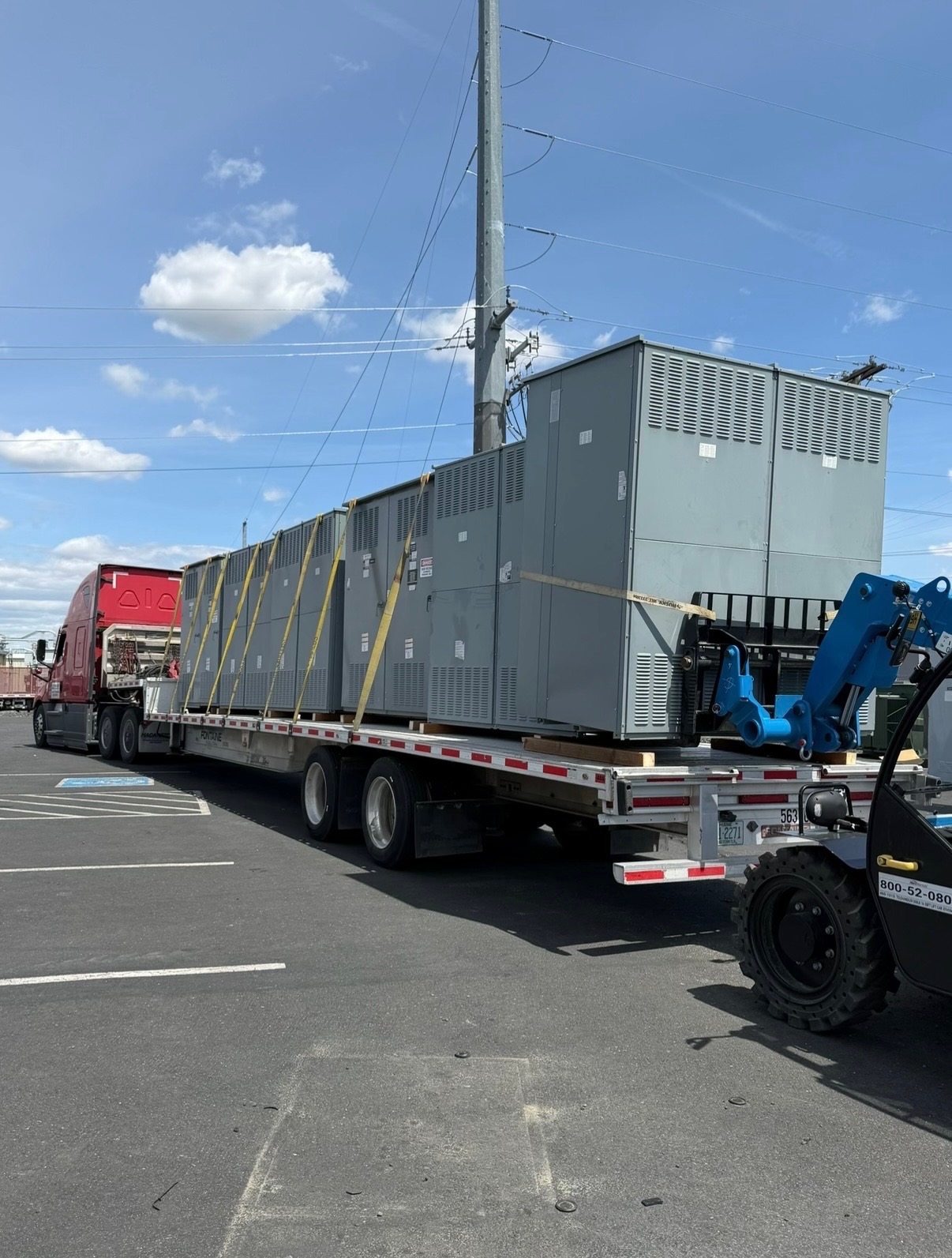
Describe the Lineup Without Approaching It
When you inquire about indoor switchgear in Indiana, a useful description starts with what you already know: the equipment’s general location, whether it is installed or removed, and what portion of the lineup may be surplus. You can ask about a sale even if the gear remains installed or operating. Do not approach it to gather details. Never touch energized equipment. Sellers must not open or operate equipment, enter unsafe areas, or go near energized gear to take measurements or photographs.
If information is already available, share it rather than trying to fill every gap. Safely accessible exterior nameplate details, existing photos, equipment schedules, or an asset list may help identify the gear. A description such as “indoor switchgear in the east electrical room, still installed” is more useful than a guess about its condition. Say when a detail is uncertain; do not present an estimate as a verified fact.
Explain the Lineup’s Length and Sections
Give the visible lineup length if it is recorded in existing documents or can be described from a safe, authorized vantage point. If a measurement is unavailable, an approximate description is acceptable when clearly labeled as approximate. You might also report the number of sections shown on an existing equipment schedule or visible in a photo taken safely by an authorized person. Do not enter the room or move closer to count sections.
Section count and lineup length help distinguish a short assembly from a larger group of connected equipment, but neither detail alone identifies everything included in a potential sale. Explain whether the information describes the entire lineup or only the portion being considered. If boundaries are unclear, say so. A buyer can review the available description and ask follow-up questions without requiring you to inspect inaccessible equipment.
Clarify What Is Included
State whether the proposed sale concerns the full indoor lineup or particular sections, and mention any associated equipment you already know is part of the surplus. Existing records may identify breakers, control components, or other equipment, but do not assume that an item belongs with the switchgear unless you can confirm it from information available to you. If the lineup is part of a larger electrical room, distinguish the equipment being discussed from items that are staying in service or are not yours to offer.
Ownership and authority matter. Identify the owner or organization responsible for the equipment and, if you are acting for someone else, clarify your role and who can authorize a sale. This helps avoid confusion about whether an inquiry is informational or an authorized offer to sell. Sharing known ownership details does not require you to access restricted records or make decisions outside your authority.
Flag Exit Constraints and Room Access
Describe known room and exit constraints from information you already have. Relevant details may include a narrow doorway, a limited route out of the room, a change in floor level, or an access restriction. Do not measure, move obstacles, test a route, or enter an unsafe area to answer these questions. If you do not know whether a constraint applies, say that it has not been verified. An existing floor plan or facility record may provide helpful context without a new inspection.
Provide the name or role of an authorized access contact and explain how that person can be reached through your normal arrangements. The contact can help coordinate questions about access and facility permissions. Do not assume that an inquiry authorizes anyone to enter the building or electrical room. The buyer handles crane, rigging, disconnects, loading, freight, and hauling for equipment it purchases; the seller does not perform or arrange those operations.
Share Ratings Carefully
If a nameplate detail is already safely accessible, report its wording as shown rather than translating it into a guess about the electrical system. A voltage rating describes equipment’s stated rating; it is not proof of the voltage presently on the equipment or of its operating state. Mark a rating as unverified if it comes from memory, an incomplete record, or a hard-to-read image. Do not open equipment or conduct a test to confirm it.
All voltage classes are considered, so an unknown class is not by itself a reason to withhold an inquiry. Share the information available and identify what remains unclear. The business buys used, surplus, and decommissioned switchgear; it is a buyer, not a source of equipment for sellers seeking to purchase gear.
Understand the Review and Handling Arrangement
You do not need to test equipment to inquire about a sale. Share known condition information, such as whether it is described in existing records as installed, removed, or decommissioned, and distinguish those records from anything you have personally verified. Do not operate or inspect equipment to improve the description. A buyer may consider the information provided, but a purchase or cash offer is not guaranteed.
For equipment purchased, payment is upfront and freight is covered. Those terms do not promise a particular price, purchase decision, or schedule. If the buyer purchases the equipment, the buyer handles the disconnection and physical handling arrangements, including crane, rigging, loading, freight, and hauling. The seller should describe access constraints and provide the authorized contact, not attempt those tasks or arrange them on the buyer’s behalf.