Describe the equipment as it exists, not as a category alone
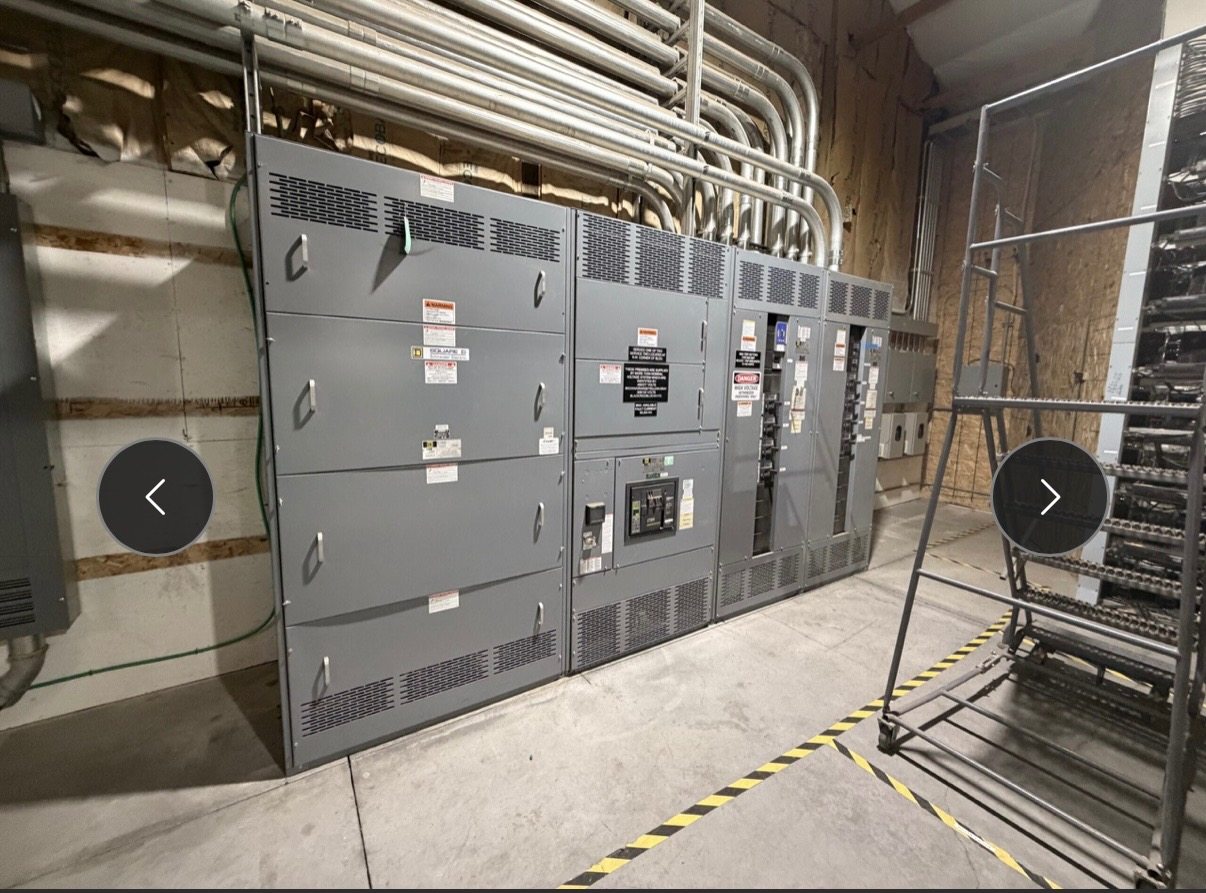
When considering a sale of used or surplus fixed-mount switchgear in Indiana, start by distinguishing the assembled lineup from any loose breakers or other devices being offered separately. A lineup may include connected sections, installed devices, and associated components; a loose device is not necessarily part of that lineup or suitable for its mounting arrangement. The distinction matters when evaluating what is included and what the available records actually document.
Use the names shown on existing equipment schedules, drawings, inventories, or exterior labels where available. If those records call an item fixed-mount, share that description as a documented designation rather than treating it as proof of every detail. The business buys equipment; it does not sell replacement gear. An inquiry can cover an assembled lineup, individual devices, or both, with the scope stated clearly.
Document mounting information without making assumptions
Fixed-mount describes a mounting arrangement, but the phrase alone does not establish a device’s dimensions, compatibility, rating, or whether it belongs in a particular section. A loose breaker that appears similar to an installed one should not be represented as interchangeable unless the available documentation supports that conclusion. Share any existing drawings or schedules that identify device positions, mounting descriptions, or lineup sections.
If the records do not resolve a detail, say that it is unknown rather than filling the gap with a guess. A seller does not need to obtain information that is inaccessible or approach equipment to verify it. Existing photographs, safely accessible exterior nameplate details, equipment lists, and known condition can help describe the offering, but not every item will be available in every case.
Separate documented ratings from present operating conditions
Nameplate or drawing information may identify equipment ratings, while the voltage present at a site is a separate matter. A recorded rating does not establish live voltage or prove what conditions exist now. If the lineup is still installed or operating, an authorized seller may inquire using information already available and explain that it remains in service; there is no need to inspect it to start a conversation.
Never touch energized equipment. Sellers must not open or operate equipment, approach energized equipment, or enter unsafe areas. Do not attempt to obtain missing details through an inspection or test. If a fact has not been verified in existing records, identify it as uncertain. Testing is not required to submit equipment for consideration.
Make the offered scope clear
For an assembled lineup, describe the sections and devices that are included according to the information already on hand. For loose devices, identify them separately and note any documented mounting information. If a breaker is removed from a lineup or listed as spare inventory, state that status only when known. This helps prevent a device from being counted twice or an assumption from being made that it is included with a particular section.
Ownership and authority to discuss the equipment also matter. An owner, facility representative, or authorized seller can share the site location, available inventory, known condition, and records that help identify the property being considered. You can also note whether the equipment is surplus, decommissioned, or still installed, without implying that the seller should alter its condition.
Consideration and handling for purchased equipment
The business considers surplus, used, and decommissioned switchgear across all voltage classes, including equipment from closed data centers and power plants. Providing available information allows the buyer to review what is being offered; it does not guarantee a purchase or a particular value. If the equipment is suitable for purchase, the seller may receive a cash offer. Payment is upfront for purchased equipment, and testing is not a prerequisite.
For equipment that is purchased, the buyer handles disconnects and the physical handling arrangements, including crane, rigging, loading, freight, and hauling. Freight is covered for purchased equipment. The seller does not perform or arrange those operations. An inquiry or offer is not a commitment to buy, so keep the scope and status of the equipment accurate while the buyer evaluates the available information.
Prepare a useful inquiry from records already available
A concise description can state whether the offering is a complete lineup, loose devices, or a combination; identify known quantities and location; and point to records that describe mounting. Include exterior photos only if they are already available and safely accessible. Do not delay an inquiry solely because a label or document cannot be reached, and do not treat an unverified description as fact.
Clear distinctions help the buyer evaluate the actual equipment rather than a presumed configuration. Describe what is included, what documentation supports the mounting designation, and what remains unknown. That approach gives an authorized Indiana seller a practical basis to discuss surplus fixed-mount switchgear while leaving inspection, disconnects, and handling to the buyer if a purchase proceeds.