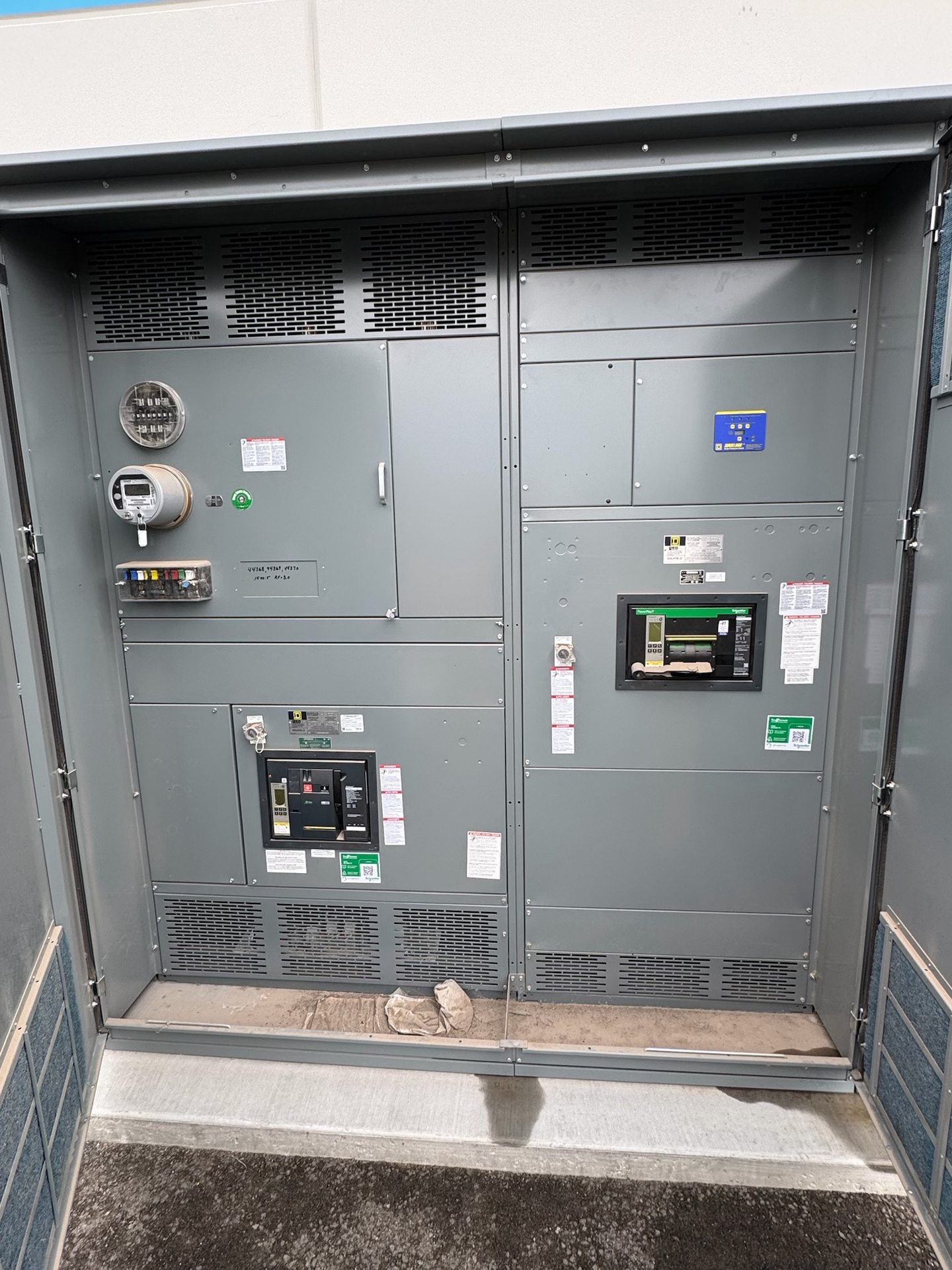
Start with what “metal-enclosed” actually describes
When reviewing surplus switchgear, “metal-enclosed” can describe an enclosure without confirming the equipment’s internal construction, ratings, or configuration. It is useful as an initial description, but it should not substitute for information shown on an available nameplate or equipment record. A lineup may include multiple sections or components, and a general label alone may not establish what is present in each one.
For an Indiana owner considering a sale, the practical goal is to distinguish what is known from what is assumed. Share the description used in facility records, then identify any details that are visible or documented. If the exact construction is uncertain, say so rather than guessing. Uncertainty does not prevent an inquiry; it helps keep the evaluation grounded in the information available.
Use available identification and lineup records
If safely accessible without approaching unsafe areas, nameplate details can help identify the equipment. A photo of an exterior nameplate, existing equipment list, or lineup drawing may provide useful context. Do not open an enclosure to look for a label or obtain information that is not already accessible. If the nameplate cannot be read or is unavailable, simply note that.
Lineup information can clarify whether the described equipment is one section, a connected group, or part of a larger electrical system. Existing records may also identify breakers, bus, control sections, or other included components. These details should be reported as documented, not inferred from the enclosure’s appearance. You do not need to create a new inventory before asking whether the equipment may be of interest.
Keep ratings separate from present operating conditions
A rating printed on a nameplate is not the same thing as a measurement of live voltage or a statement about current operating conditions. A rating describes equipment as identified by its label; it does not confirm that the equipment is energized, de-energized, functioning, or in a particular condition today. Likewise, a site’s operating voltage should not be presented as a verified equipment rating unless the available records support that description.
When information is incomplete, label it accordingly: “nameplate not available,” “rating shown in records,” or “condition not confirmed” are more useful than filling gaps with a guess. The business considers equipment across all voltage classes, so an uncertain or unusual rating is not by itself a reason to withhold an inquiry.
Describe condition without testing or disturbing equipment
An owner or authorized representative may share known condition details from existing records or direct, safe observations from an accessible location. Examples include whether the equipment is described as used, surplus, decommissioned, or still installed, and whether a record notes missing components or a known issue. Photos can be helpful when they are already available and can be shared without entering an unsafe area.
Testing is not required to discuss a possible sale. Do not open, operate, or approach energized equipment to gather information. Never touch energized equipment. Sellers must not enter unsafe areas or take steps to make equipment available for evaluation. If it remains installed or operating, you may still inquire using information already available, such as the location, records, and safely accessible exterior details.
Explain ownership, location, and what may be included
Clear basic information helps distinguish the switchgear being discussed from other equipment at the site. An authorized seller can identify the facility or general location, confirm ownership or authority to represent the owner, and describe which sections or associated equipment are believed to be included. Existing photos, lists, or records can support that description, but no particular document is required to begin an inquiry.
If the equipment is part of a larger decommissioned facility, such as a data center or power plant, that context may be useful. Avoid presenting adjacent equipment as part of the switchgear unless it is actually included. The buyer purchases surplus, used, and decommissioned electrical equipment; it does not sell or install switchgear.
Clarify the transaction and handling responsibilities
Based on the information provided, the business may consider the equipment and make a cash offer, but an offer or purchase is not guaranteed. For equipment it purchases, payment is upfront, testing is not required, and freight is covered. The buyer handles disconnects, crane and rigging arrangements, loading, freight, and hauling for purchased equipment; the seller does not perform or arrange those operations.
These responsibilities are important to establish before treating a potential sale as settled. A discussion or offer does not itself confirm a purchase, equipment value, or schedule. Share what is known, identify what remains uncertain, and let the buyer assess the available information without risking access to energized or unsafe equipment.