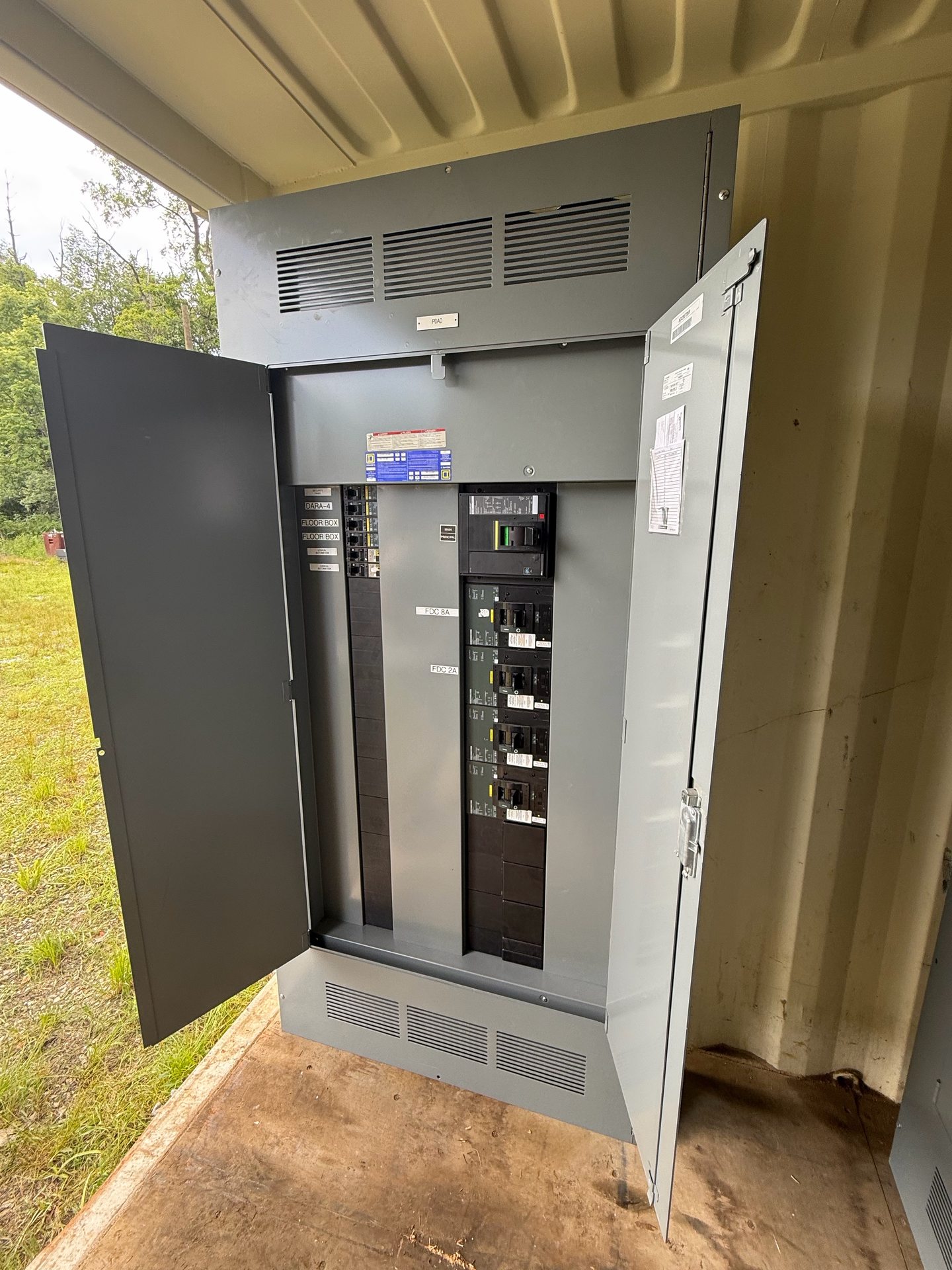
Start with the equipment’s identity and ownership
If you own air-insulated switchgear in Indiana and are considering a sale, begin with details already available in your records. Useful information can include the manufacturer, equipment type, approximate age, voltage rating, and whether the gear is surplus, used, or decommissioned. A purchase is not guaranteed, but a clear description can help establish whether the equipment merits consideration.
Confirm that you are authorized to discuss a sale on the owner’s behalf. If the gear belongs to a company, facility, or other organization, identify the appropriate decision-maker and share only information you are permitted to disclose. There is no need to obtain details that are inaccessible or to investigate equipment in an unsafe area.
Describe insulation only when it is documented
Air-insulated switchgear uses air as insulation within its design, but equipment descriptions and records can include other insulation-related details. If documentation identifies a particular insulation material or arrangement, report that wording and, if available, where the information came from. If the records do not identify an insulation type, say that it is unknown rather than guessing from appearance or assuming that all internal components use the same materials.
Do not open an enclosure or inspect an interior to answer questions about insulation. Never touch energized equipment. Sellers must not open, operate, or approach energized equipment, and must not enter unsafe areas. If the gear remains installed or in service, you may inquire using information already available, such as records, an existing equipment list, or safely accessible exterior nameplate details. Do not put yourself at risk to collect more information.
Include enclosure location and section count when known
State where the switchgear enclosure is located within the facility, using a practical description drawn from information you already have. For example, records might identify a building, floor, room, or area. A location description helps distinguish the equipment from other assemblies and provides useful context without requiring anyone to enter a restricted or hazardous space.
Report the section count if it is documented or already known from a safe, available view. Make clear whether the number comes from a record or is an estimate. Do not approach energized equipment or enter an unsafe area to count sections. If the count is uncertain, identify it as uncertain; an accurate qualification is more helpful than an unsupported exact figure.
Keep ratings separate from present operating conditions
Share the voltage rating shown in existing documentation or on a safely accessible exterior nameplate, if available. A rating describes the equipment’s design information; it does not establish the live voltage at a particular moment. Do not infer current operating conditions from a label, and do not attempt to verify voltage. If a rating is unclear or unavailable, say so.
Other useful context may include the equipment’s known condition, whether it is installed or decommissioned, and any available photographs of exterior surfaces or records. Distinguish firsthand knowledge from a note supplied by someone else. Testing is not required for the business to consider equipment, and sellers should not test it or arrange testing for this inquiry.
Understand what a purchase would involve
The business buys surplus, used, and decommissioned electrical equipment; it does not sell switchgear. It considers equipment across all voltage classes, including gear from closed data centers and power plants. A seller can provide the known details and request a cash offer, but neither an offer nor a purchase is guaranteed. The final decision depends on the equipment and the information available for review.
For equipment that is purchased, payment is upfront, and the business covers freight. The buyer handles disconnects, crane and rigging work, loading, freight, and hauling. The seller does not perform or arrange those operations. Do not disconnect, move, lift, load, ship, or haul the equipment as part of seeking an offer; leave handling arrangements to the buyer if a purchase proceeds.
Make an inquiry useful without overreaching
A concise inquiry can summarize ownership authority, general equipment identity, documented insulation information, enclosure location, known section count, and any known condition. Include only what is safely available. If details are missing, state that plainly rather than delaying an inquiry to seek inaccessible information. Existing records and safely accessible exterior information can support an initial review.
Air-insulated switchgear can differ in configuration, condition, and documented specifications, so precise descriptions matter more than assumptions. Keep verified facts separate from estimates, and note when a detail is unknown. This lets an authorized Indiana seller describe the equipment responsibly while avoiding interior inspection, electrical work, or any handling of the gear.