Start with the item, not just the label
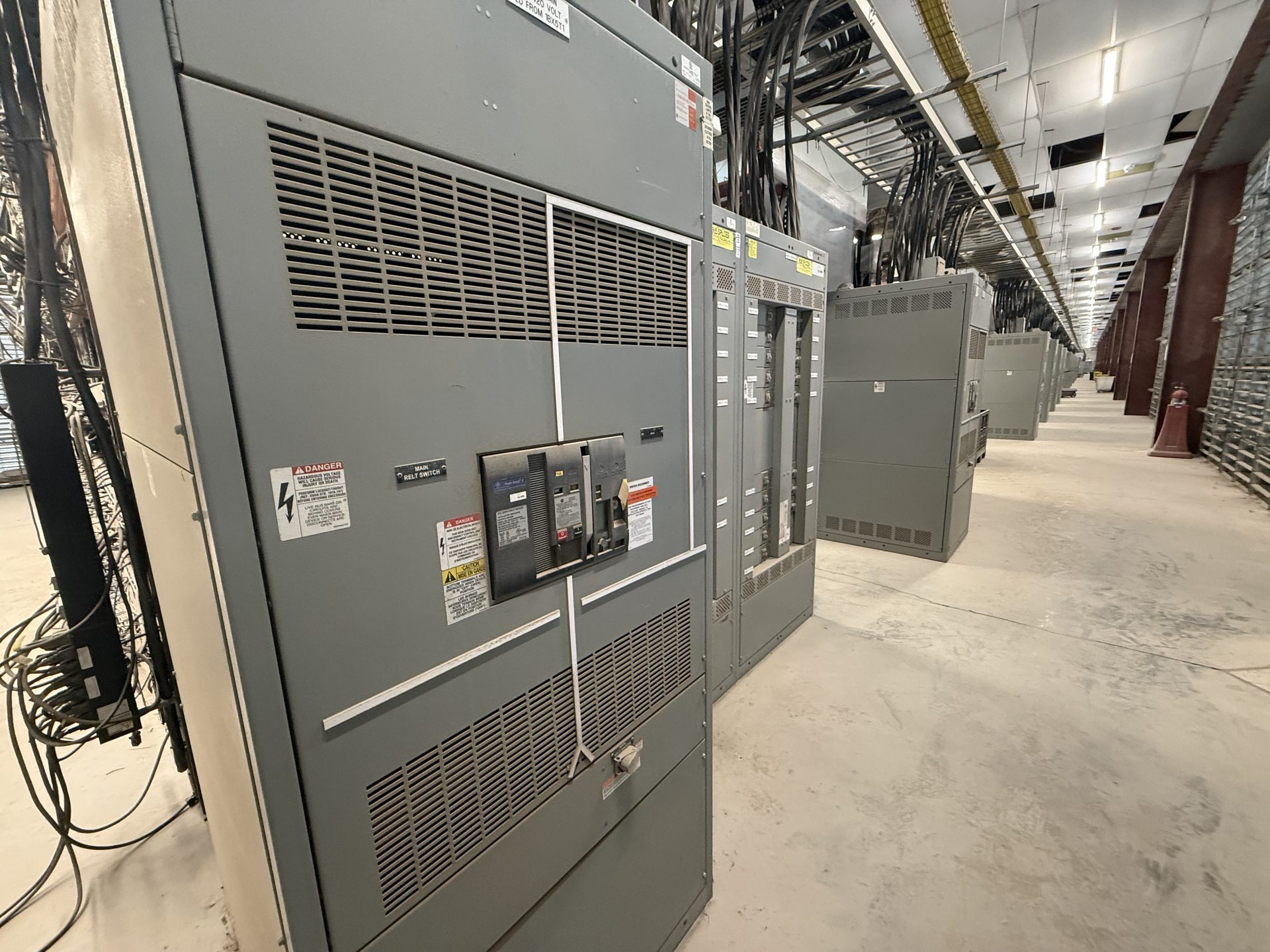
When preparing information about Legrand-labeled electrical distribution equipment in Indiana, identify each item as a separate piece of equipment rather than combining everything under one brand name. A Legrand label may be visible on equipment whose function, ratings, or configuration differ from other items at the same site. The label is useful information, but it does not by itself establish the equipment type or what a particular buyer can consider.
Describe what is apparent from existing records or safely accessible exterior labels: for example, whether an item is a switchboard, panelboard, busway, or another distribution device. If the type is uncertain, say so instead of guessing. The business buys surplus, used, and decommissioned electrical equipment; it does not sell or install gear, and no manufacturer affiliation or authorized-dealership relationship should be inferred from its consideration of Legrand-labeled equipment.
Keep unlike devices and sections distinct
Make separate entries when equipment serves different functions or appears to be separate assemblies. A site list might distinguish a distribution board from a busway section, or identify separate boards rather than reporting one combined quantity. If a lineup appears to have several connected sections, describe the configuration as it is known and note uncertainty. Do not assume that sections can be treated as independent sale items simply because they have separate visible labels.
Where available, include a concise description of each item and its quantity. Distinguish a count of complete assemblies from a count of sections, devices, or components. If the only known figure is an estimate, label it as an estimate. A clear inventory helps the buyer understand what is being offered without asking the seller to inspect inaccessible areas or determine technical details that are not already known.
Share visible ratings carefully
Existing nameplate information can help identify an item. If details are safely accessible from the exterior, report the wording as shown, including the rating and any visible identification or catalog information. A photo may help preserve the label’s exact wording, but only use images that can be obtained safely. Do not open equipment or enter an unsafe area to obtain a picture or a missing value.
Keep a stated rating separate from the voltage currently present at a site. A nameplate rating describes equipment information; it does not verify live voltage, present operating status, or condition. If a record is incomplete, a label is unreadable, or a figure has not been confirmed, make that distinction clear. Never touch energized equipment.
Note whether it is installed or stored
For each item, state whether it is installed, stored, or otherwise out of service, if that status is known. An installed item may still be operating; a stored item may have an uncertain history. Share only information already available, such as known condition, site location, ownership, and existing equipment lists. You may inquire about equipment that remains installed or operating based on information you already have; do not approach, open, operate, or test it to prepare an inquiry.
Condition descriptions are most useful when they separate observation from assumption. For instance, report a known visible issue as an observation, and identify unknown operating history as unknown. Testing is not required for the business to consider equipment. Do not try to confirm condition by energizing equipment, manipulating controls, or carrying out any inspection beyond safely accessible information.
Prepare a useful inquiry without filling every gap
A practical summary can give the buyer the item descriptions, known quantities, visible ratings, installed or stored status, and location. Add photos or records only when they are already available and can be shared safely. It is acceptable for some fields to remain unknown; do not seek information by opening equipment, entering unsafe areas, or approaching energized gear. Ownership or authorization to discuss the equipment should also be clear.
The business considers equipment across all voltage classes, including equipment from closed data centers and power plants. That does not mean every item will receive an offer. Once available details are reviewed, an eligible inquiry may be considered for a cash offer; neither an offer nor a purchase is guaranteed.
Understand payment and equipment handling
For equipment that is purchased, payment is upfront, and the seller is not required to test it. The buyer covers freight and handles crane work, rigging, disconnects, loading, freight, and hauling for purchased equipment. The seller should not undertake or arrange those operations. A discussion or offer alone does not establish that a purchase will occur, so avoid treating handling arrangements or payment as confirmed before the buyer agrees to purchase.
Keeping the inventory precise and candid gives the buyer a sound basis to assess distinct Legrand-labeled distribution items. It also preserves important distinctions: visible ratings are not proof of live conditions, an uncertain detail is not a verified fact, and equipment being considered is not necessarily equipment that will be bought.