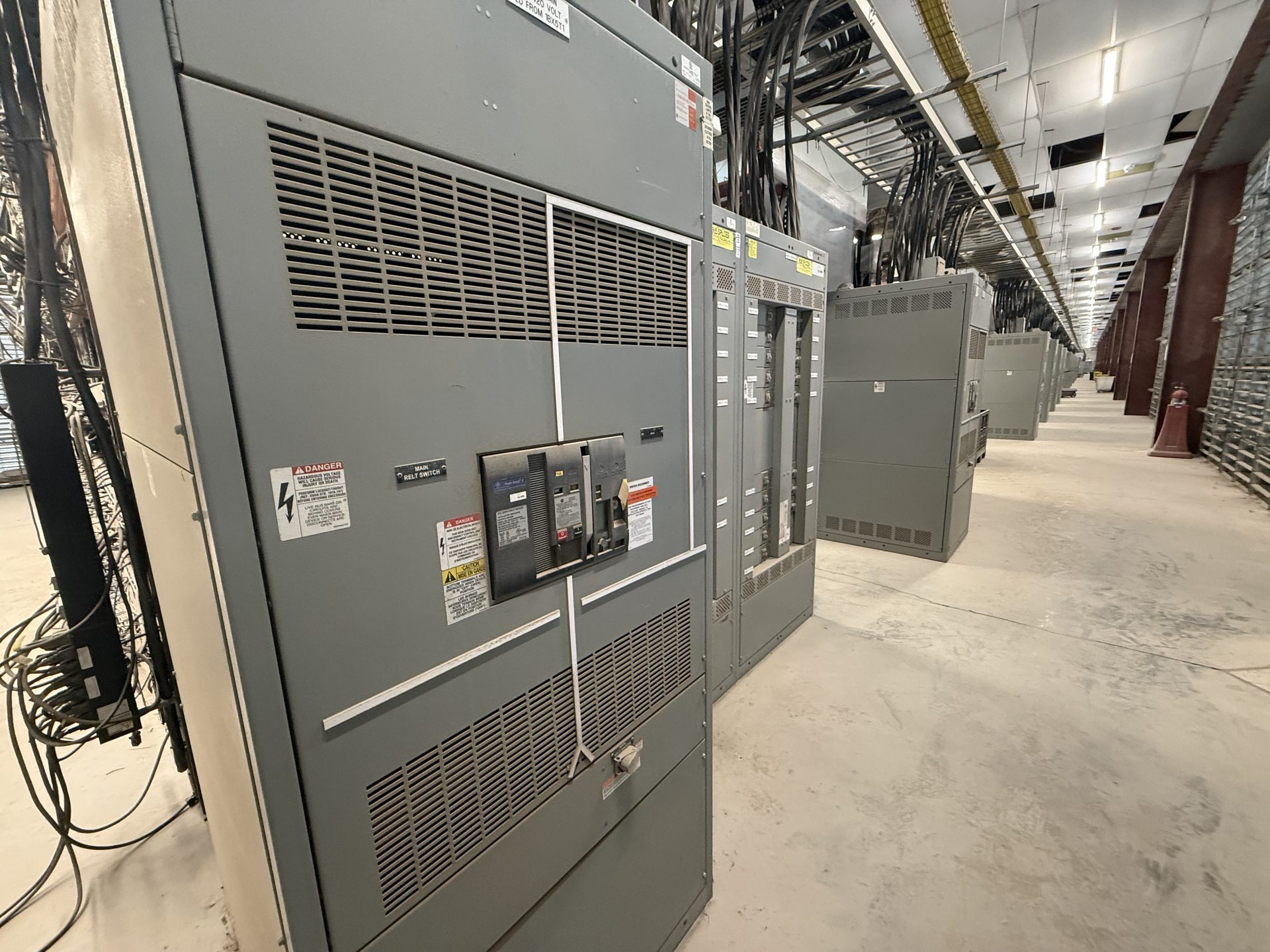
Selling Square D-marked electrical distribution equipment
Owners and authorized sellers can request a cash offer for Square D-marked electrical distribution equipment in Indiana. The buyer considers electrical distribution equipment across voltage classes, pays upfront for a purchase, covers freight and does not require testing. The business is a purchaser, not a seller of replacement equipment. Each inquiry is reviewed on its own facts, so a purchase or price is not guaranteed.
Understand the equipment and project
Use the Square D name as it appears on the equipment, and include any model or catalog number that can be read safely. A brand name alone may cover many different products and configurations, so also describe the type of equipment, its ratings and the quantity. The name identifies the equipment; it does not imply a relationship with or endorsement by the manufacturer.
Plan around the actual site
A seller may have Square D-marked equipment as one part of a mixed inventory, rather than a room full of identical units. A useful list separates complete assemblies, loose components and items with missing markings. Other brands can be identified in the same inquiry instead of being omitted simply because they have a different nameplate.
A practical starting point
An equipment list does not have to begin as a formal asset register. A few lines describing Square D-marked electrical distribution equipment, its location in Indiana, and the number of pieces can make an inquiry understandable. Keep a distinction between items the owner intends to sell and equipment that will stay in service. If multiple people control the project, identify an authorized contact for the sale.
Information that helps identify equipment
If available, share an exterior nameplate photograph and a wider view that shows how the equipment is arranged. For a mixed lot, group items with similar markings and describe separate pieces individually where practical. Labels on the exterior may provide useful information, but nobody should expose energized parts to obtain it. Do not infer a specification from appearance or collect information by accessing energized parts.
Describe condition without testing
An honest condition description can be simple. A straightforward description of known wear, missing components, storage conditions or uncertainty is more useful than an unsupported claim that every piece is complete. Share any records you already have, but do not operate or open the equipment. Do not operate breakers, expose internal components or disturb installed equipment to make a sale inquiry.
Organizing a mixed inventory
A single inquiry can describe a mixed group, provided the seller makes the boundaries clear. Separate complete assemblies from loose components and note whether associated parts are present. If an inventory is spread across buildings, identify the locations rather than implying everything is staged together. The resulting list gives the buyer a clearer picture without requiring a detailed engineering survey.
Cash offers and upfront payment
After reviewing the information supplied, the buyer can consider a cash offer for the equipment. This business is a buyer only, and payment for a purchase is upfront. A complete offer depends on the actual opportunity rather than a published price list or an assumed value for a particular brand. The seller can review the proposed transaction before proceeding.
Rigging, disconnects and logistics
We handle all rigging and logistics for purchased equipment, including crane, disconnects, loading, freight and hauling. The seller does nothing but get paid. A practical description identifies the site or storage area, the approximate number of pieces and any timing or access constraints. If the equipment is still installed, make that clear when requesting an offer.
Safety and authority to sell
For installed equipment, let the buyer know the current status and coordinate site access with the owner. The buyer handles disconnects and does not require a seller to test or operate the equipment. Distinguish property the seller is authorized to transfer from leased equipment or assets that belong to another party before a sale proceeds.
Prepare for the next conversation
Bring together the details you already have and explain any gaps. Explain whether the equipment is ready or tied to a future project milestone. If details will become clearer later, say which ones are still pending. Request a cash offer and review the details with the buyer.