Start with what the Hubbell label actually identifies
When preparing surplus electrical equipment for review, separate items that carry a Hubbell nameplate or label from equipment made by other manufacturers. A Hubbell-marked component may be part of a larger assembly whose enclosure, switchboard, panelboard, busway, or controls carry a different manufacturer’s identification. Record what the labels say without assuming that every part of the assembly is Hubbell equipment or that one label identifies the entire lineup.
For each item, note the label’s location and the equipment or component it appears to describe. If an assembly contains multiple sections or separately identified devices, keep those distinctions in your notes. A clear description such as “Hubbell-labeled component within a switchboard identified by another manufacturer” is more useful than assigning the entire assembly to one brand without evidence.
Build an inventory from information already available
Begin with the records and observations your facility already has: equipment schedules, asset lists, prior project documents, safely accessible exterior labels, and photographs taken from a safe location. Useful details can include equipment type, quantity, manufacturer shown, identifying numbers, location, ownership, and known condition. You do not need to obtain information that is inaccessible or enter a restricted or unsafe area to complete an inquiry.
Use consistent descriptions to distinguish complete assemblies from individual components. For example, record a known count of breakers separately from a count of switchboard sections, and identify whether the count is confirmed or estimated. If labels or records conflict, preserve both observations and explain the discrepancy rather than choosing one as fact. This helps the reviewer ask a focused follow-up question.
Describe ratings without confusing them with live conditions
If a rating is visible in information you can access safely, transcribe it as printed, including the units and the label or component it belongs to. A nameplate rating describes equipment characteristics; it does not establish the voltage present at a particular moment. Do not describe a rating as proof of live voltage, and do not infer an operating condition from a rating alone.
Mark uncertain information as uncertain. “Label appears to read…” or “voltage rating not confirmed” is more accurate than presenting a hard-to-read value as verified. Never touch energized equipment. Do not open, operate, or approach energized equipment, and do not enter unsafe areas to inspect or photograph it. A seller can inquire about equipment that remains installed or operating using information already available.
Make condition notes specific and factual
Describe condition only to the extent it is known from existing records or safe observations. Relevant notes might distinguish equipment recorded as surplus, removed from service, or still installed from a visual observation such as a damaged exterior enclosure. Avoid diagnosing internal condition, assuming that a unit works because it looks intact, or calling equipment tested when no test results are available.
If the equipment has a known history, state the source where practical: a maintenance record, an asset database, or an observation by facility staff. You may share existing photographs and documents, but testing is not required to submit an inquiry. A buyer can review the information provided without asking the seller to test, energize, disconnect, move, lift, or otherwise handle the equipment.
Explain the site and ownership clearly
Include the Indiana site location and identify which equipment belongs to the seller or is otherwise authorized for review. For equipment from a closed data center, power plant, or another facility, explain whether the inventory covers the whole site, selected assets, or particular components. If ownership or authority is still being confirmed, say so; do not represent it as settled before it is.
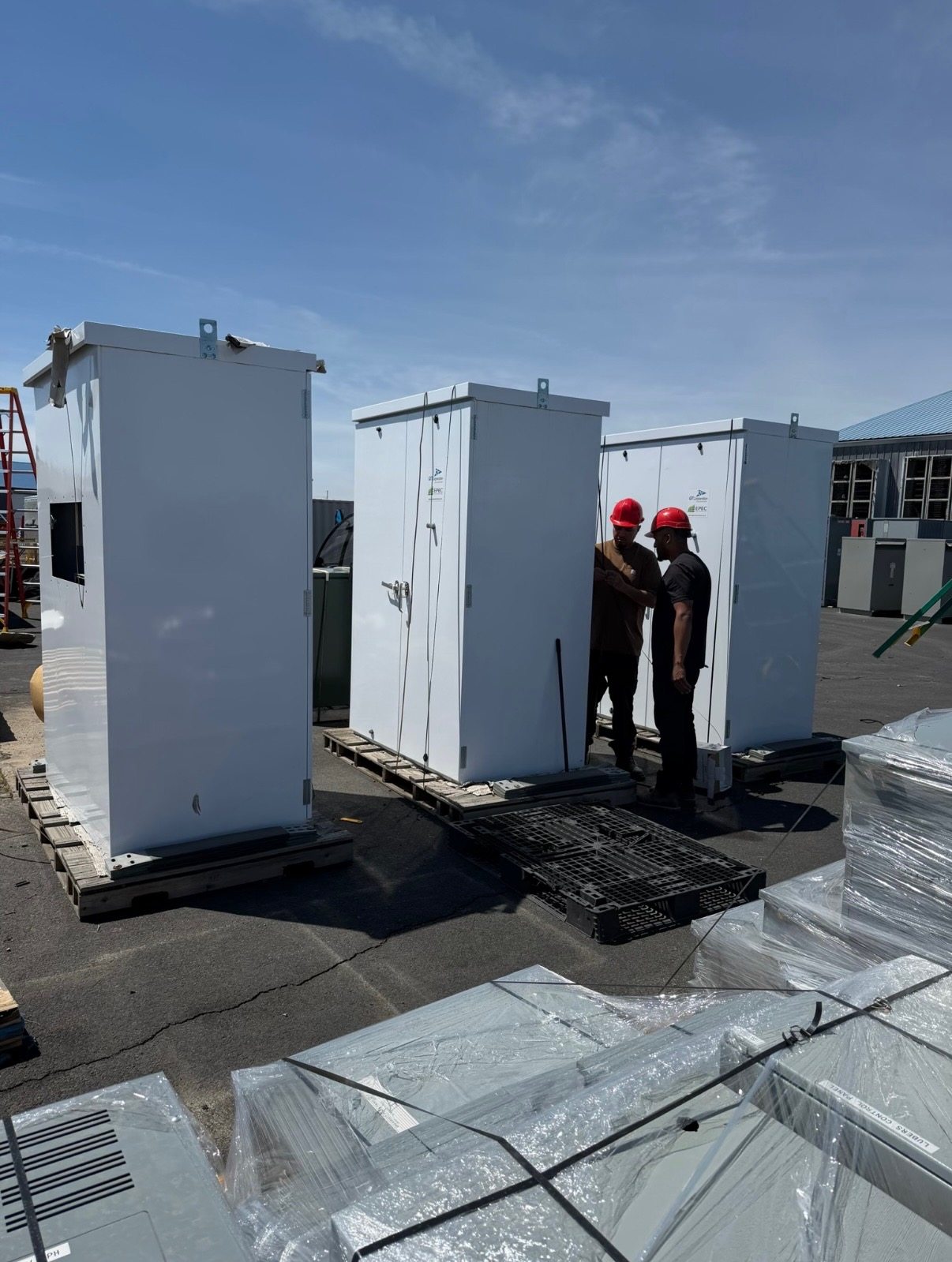
Photos can help distinguish adjacent equipment and show how labels relate to an assembly, provided they are already available or can be taken safely without approaching energized gear or entering an unsafe area. A brief note about what each photo depicts can prevent a Hubbell label on one component from being mistaken for identification of neighboring equipment.
Understand the purchase and handling arrangement
The business buys surplus, used, and decommissioned electrical equipment; it does not sell Hubbell gear or represent a manufacturer affiliation or authorized dealership. It considers equipment across voltage classes, including switchgear, switchboards, motor-control centers, panelboards, busway, automatic transfer switches, breakers, and unit substations. A cash offer is subject to review, and neither an offer nor a purchase is guaranteed.
For equipment purchased, payment is upfront and freight is covered. The buyer handles disconnects, crane and rigging, loading, freight, and hauling; the seller does not perform or arrange those operations. Share the inventory and known site details, then let the buyer assess whether it is interested. Do not attempt to prepare, disconnect, or move equipment for an inquiry.