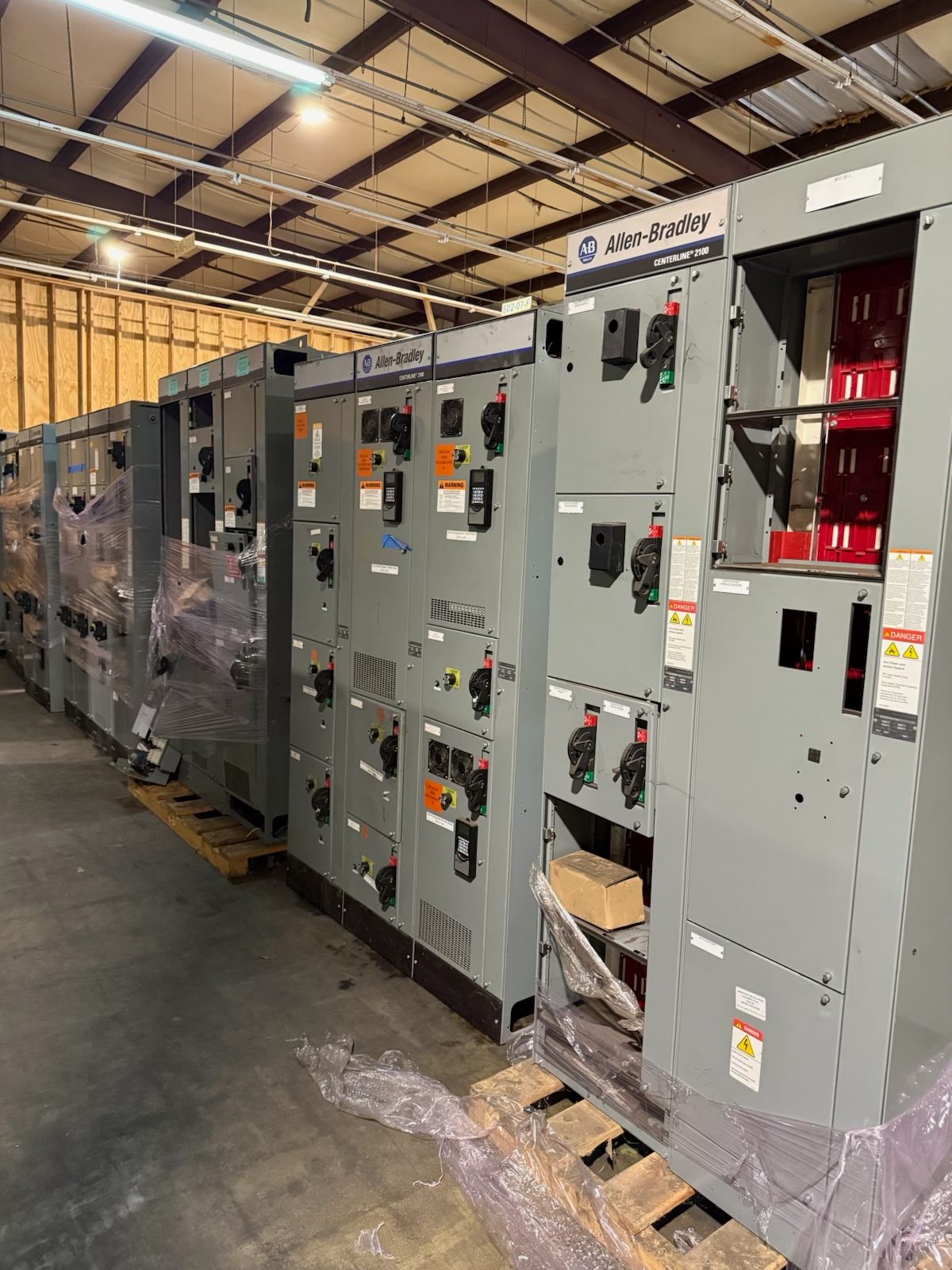
Define the equipment boundary inside the control house
When considering surplus electrical equipment at an Indiana power plant, begin by distinguishing the cabinets or switchgear being offered from the control house and the systems that will remain. A room may contain several separate lineups, standalone cabinets, control panels, and equipment connected to plant systems. Identify the intended sale by equipment group or lineup, not simply by saying “the control house” or “the electrical room.”
Write down what is included and what is excluded using records or information already available to you. For example, the proposed equipment may be one switchgear lineup and associated breakers, while the building, unrelated control panels, cable routes, or other operating systems stay with the facility. Where a boundary is uncertain, flag it for discussion rather than presenting an assumption as verified. Clear scope reduces the risk of confusion about what a potential purchase covers.
Describe the equipment without guessing
Useful starting information may include the equipment type, manufacturer and identification details shown on safely accessible exterior nameplates, lineup or cabinet count, approximate dimensions if already documented, and the plant area where it is located. Existing equipment schedules, drawings, asset records, or photographs can help clarify what is present. You do not need to obtain information that is inaccessible or enter a restricted or unsafe area to complete an inquiry.
Keep ratings distinct from live electrical conditions. A nameplate voltage rating describes equipment’s marked rating; it does not establish the voltage currently present or whether equipment is energized. If the status is unknown, say so. Never touch energized equipment. Sellers must not open or operate equipment, approach energized equipment, or enter unsafe areas to gather details or take photographs.
Explain what remains connected to the facility
Control-house gear may sit within a larger arrangement of distribution, protection, control, or transfer equipment. A prospective buyer needs to understand which identified equipment is being offered and which assets must stay behind, but sellers should not try to determine boundaries by examining internal parts or tracing connections. Use existing labels, records, or knowledge from authorized personnel, and distinguish documented facts from estimates or unresolved questions.
If equipment is still installed or operating, you may inquire about it using information already available. Its installed or operating status does not prevent an initial discussion, and you are not being asked to make it safe or prepare it for removal. State what is known about condition and operating status, and identify anything you cannot verify. The buyer can consider the information while deciding whether to make an offer.
Set expectations about the transaction
The business buys surplus, used, and decommissioned electrical equipment; it does not sell gear to the inquiring facility. It considers switchgear and related equipment across all voltage classes, including equipment from power plants and closed facilities. An inquiry can describe the equipment and request a cash offer, but neither an offer nor a purchase is guaranteed. The actual equipment identity, scope, condition information, and other transaction details matter to the decision.
For equipment purchased, payment is made upfront, and the seller is not required to test it. The buyer covers freight and handles crane, rigging, disconnects, loading, freight, and hauling for the purchased equipment. The seller does not perform or arrange those operations. These terms do not mean that every inquiry will result in a purchase; confirm the proposed equipment boundary and transaction terms before treating any part of the facility as included.
Make the inquiry useful while protecting operations
Share the plant or facility location, ownership or authority to represent the owner, the equipment group under consideration, and any available inventory or exterior photographs. Add known condition details and note whether the equipment is installed, operating, or already decommissioned only when that information is known. If multiple lineups are present, describe how the proposed group is identified in existing records so it can be distinguished from equipment staying in service.
Do not take photographs or collect details if doing so would require entering an unsafe area, approaching energized equipment, or opening or operating a cabinet. Provide what can be shared safely from existing information and identify gaps plainly. A careful description of what is offered, what remains, and what is uncertain gives an authorized Indiana seller a practical basis for discussing a possible purchase without disturbing facility operations.