Start with ownership, not the voltage figure
A 69,000-volt rating makes ownership and equipment boundaries especially important when evaluating surplus switchgear. A facility may own a particular assembly while a utility or another party owns adjacent equipment, conductors, or related infrastructure. An initial discussion can use available records to describe what your organization may own or be authorized to sell; clarify uncertainty before a transaction. If the boundary is uncertain, say so rather than treating the entire installation as facility-owned.
The company buys surplus, used, and decommissioned electrical equipment; it does not sell switchgear. It considers equipment across all voltage classes, including equipment that remains installed or operating. An inquiry does not require you to establish that an entire electrical installation is available for sale. Describe the equipment you believe is within your authority and flag any unresolved ownership question.
Use records to describe the 69,000-volt rating
Share the rating shown on existing drawings, equipment schedules, asset records, or safely accessible exterior nameplate information. A recorded 69,000-volt rating describes an equipment rating; it does not establish the voltage present at a particular moment. Keep those ideas distinct, and do not present a record entry as a verified live condition. If different documents conflict, note the discrepancy and identify which source supplied each figure.
Other useful information may include the manufacturer and type shown in records, approximate equipment boundaries, known configuration, and whether the equipment is described as switchgear or as part of a larger substation arrangement. Provide only information you already have or can access safely. You do not need to obtain details that are inaccessible, and uncertainty is more useful when stated plainly than when replaced with a guess.
Explain the relationship to utility-owned equipment
At a site operating at this voltage, the switchgear may sit at an interface with utility-owned assets or equipment managed by another party. Explain what your records say about that interface and which components are included in the proposed sale. If the documents do not settle the boundary, say that confirmation is pending. Avoid implying that a utility has approved a sale, agreed to a schedule, or promised to disconnect anything unless that is already established and documented.
You may ask about equipment using information already available even if it is still installed or operating. An inquiry does not mean the buyer has arranged a utility disconnection or that a sale can proceed on a particular schedule. Never touch energized equipment. Sellers must never open, operate, or approach energized equipment or enter unsafe areas. Do not seek information by going near equipment or entering a restricted or unsafe location.
Share a useful first description
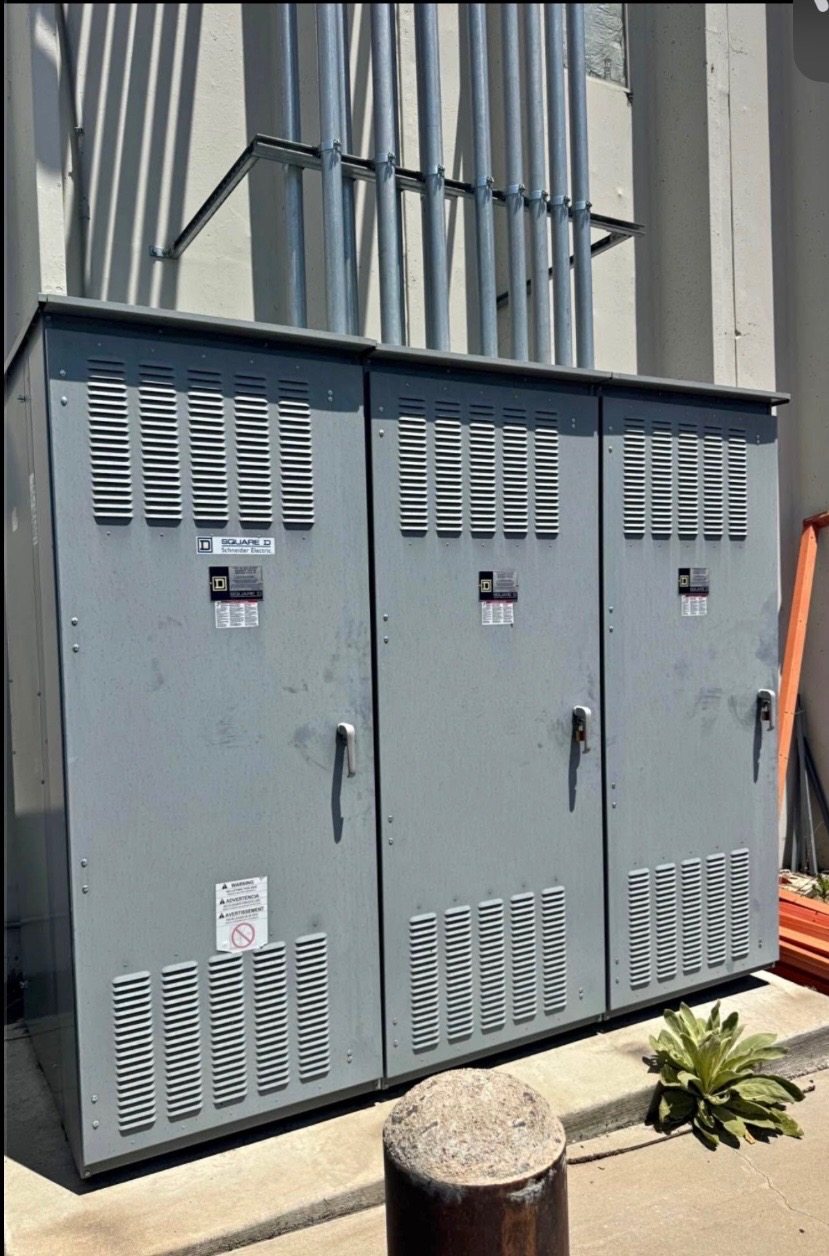
A concise inquiry can identify the Indiana location, the facility or project context, your organization’s ownership or selling authority, and the equipment you understand to be included. Existing equipment lists, drawings, exterior photographs taken from a safe, accessible place, and known condition notes can help distinguish one assembly from nearby equipment. You may provide the information available without claiming that it is complete.
Separate observed or documented facts from assumptions. For example, state that a record lists a 69,000-volt rating, while noting that the current operating status or exact boundary has not been confirmed. Mention whether the equipment is surplus, used, or decommissioned if known. Testing is not required for an inquiry; do not test or operate equipment to answer questions.
Understand the purchase and handling arrangement
If the buyer decides to purchase the equipment, payment is upfront, and freight is covered. The buyer handles the disconnects and the physical work and arrangements for crane, rigging, loading, freight, and hauling. The seller does not perform or arrange those operations. These terms describe the handling of purchased equipment, not a guarantee that a particular assembly will be purchased or that a utility will disconnect it.
A cash offer depends on the information available and the buyer’s evaluation; neither an offer nor a purchase is guaranteed. You are not required to test the equipment. Avoid treating an initial description as a final determination of value, ownership, boundaries, or logistics. The company buys equipment rather than providing equipment for sale, installation, or rental.
Keep unknowns visible through review
When records leave questions about ownership, rating, condition, or the limits of the assembly, identify each question and its source. That gives the buyer a clearer basis to assess whether the equipment fits its purchasing interests without asking you to investigate in unsafe ways. If another organization controls part of the installation, distinguish that part from the equipment your organization may be authorized to sell.
For 69,000-volt switchgear, a careful description is more useful than an unsupported assurance about voltage, disconnection, or access. Share what is already known, mark what remains uncertain, and keep personnel away from energized equipment and unsafe areas. The buyer can then review the proposed equipment and determine whether it wishes to make an offer.