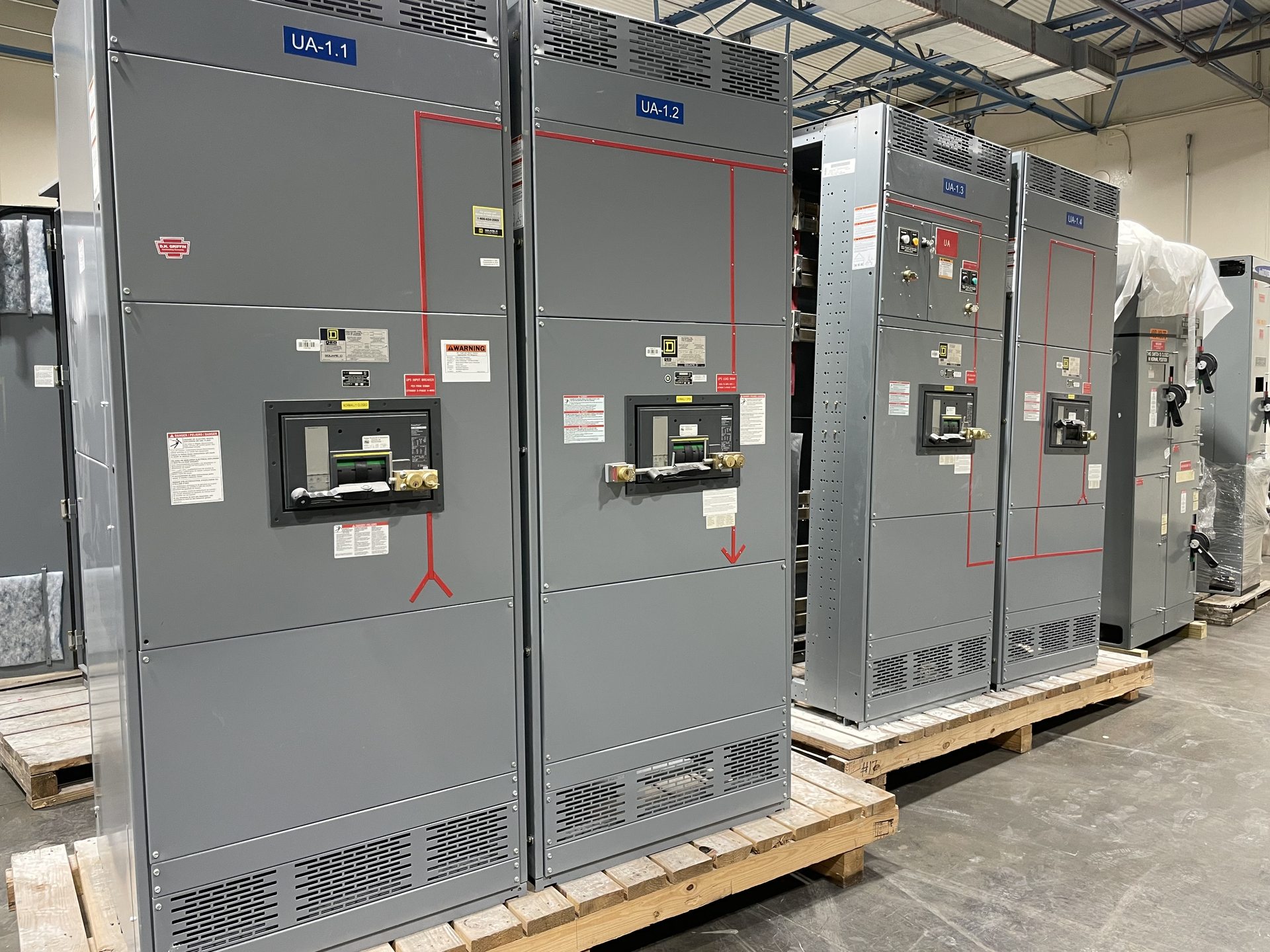
Start with the PDU’s role in the electrical system
A 208-volt power distribution unit can be part of a data-center installation, an equipment room, or another facility’s power system. Before describing surplus units, clarify which equipment is being considered: a PDU, a downstream panel, a separate accessory, or a larger group. The business buys surplus, used, and decommissioned electrical equipment; it does not sell equipment to shoppers. An authorized Indiana seller can inquire about a unit that remains installed or operating using information already available, without approaching it or changing its status.
Separate input ratings from output ratings
A PDU’s input rating describes the electrical supply connection identified for the unit, while output ratings describe the power provided through its outlets or distribution sections. Those figures are not interchangeable. A visible 208-volt label may refer to one part of the arrangement, so record the label’s wording and where it appears rather than summarizing the whole unit as “208 volts.” If existing records clarify the configuration, share them. If they do not, say what is known and leave the rest uncertain.
A nameplate rating is not proof of the voltage present at the equipment now. Distinguish documented ratings from live operating conditions, and do not try to verify voltage. Never touch energized equipment. Sellers must not open, operate, or approach energized equipment, or enter unsafe areas. Information may be shared only if it is already available and safely accessible, such as an exterior nameplate photo taken without approaching a hazard.
Describe what is included without assuming it
Downstream panels, distribution sections, monitoring components, cords, mounting hardware, or other accessories may be included with a PDU, separate from it, or absent. Make the boundary of the offered equipment clear using an existing equipment list, project record, or other information the seller already has. For example, distinguish a PDU and its attached panel from a nearby panel that belongs to the facility. If inclusion is uncertain, identify it as uncertain rather than presenting it as part of the unit.
This distinction helps an authorized buyer understand what is being evaluated and avoids confusion between the PDU’s own output provisions and separate downstream equipment. Do not remove covers or inspect connections to answer questions. A seller is not required to obtain details that are inaccessible or unsafe to gather; a brief explanation of what records are available is useful on its own.
Share practical information already on hand
An inquiry can begin with the equipment’s general description, known quantity, location, ownership, and known condition. Safely accessible exterior label details, photographs already available, and facility equipment lists may help identify the unit. If the PDU is still installed or operating, state that only if it is known from existing information. Do not treat an assumption as a verified fact, and do not delay an inquiry simply because a label, photo, or complete inventory is unavailable.
Condition descriptions can remain straightforward: used, surplus, decommissioned, or of uncertain condition. Testing is not required to request consideration. The business considers equipment across voltage classes, so uncertainty about whether a unit fits a particular description is not a reason to alter or test it. An authorized seller can provide the facts available and ask whether the equipment can be considered.
Understand the transaction and responsibility for handling
The business may make a cash offer for qualifying equipment, but an offer or purchase is not guaranteed. For equipment it purchases, payment is upfront, and the buyer covers freight. The buyer also handles crane, rigging, disconnects, loading, freight, and hauling. The seller does not perform or arrange those operations. This division is especially important when a PDU remains part of a facility system: do not attempt to disconnect, move, lift, load, ship, or haul it to support an inquiry.
Providing information is separate from authorizing a sale. An owner or authorized representative can clarify who owns the equipment and who may discuss it. If ownership or authority is not clear, resolve that through the relevant organization before making commitments; do not represent another party’s equipment as yours.
Make the inquiry useful without creating risk
A concise description can identify the PDU, distinguish its documented input and output ratings, note whether downstream panels or accessories are included, and state what remains unknown. Add the facility location and ownership context if available. There is no need to approach the unit for missing information, test it, or prepare it for removal. The buyer can review the information provided and determine whether to pursue the equipment and what further discussion is appropriate.
For Indiana owners and facility personnel, the practical first step is an accurate account based on existing records and safely accessible information. Keep ratings, present operating status, included components, and condition as separate points. That gives the buyer a clearer basis for consideration while leaving electrical and physical handling of any purchased equipment to the buyer.