Start with the sections, not just the 5,000-amp label
If you are responsible for surplus or decommissioned 5,000-amp busway in Indiana, the rating is a useful starting point, not a complete description of the equipment. A run can include sections with different lengths, configurations, or identifying details. One rating on a record or drawing does not establish that every section matches it, so describe the system as accurately as the information already available allows.
Gather any existing equipment schedules, purchase records, drawings, or inventory lists that identify the busway and its sections. If exterior nameplates can be viewed safely without approaching energized equipment or entering an unsafe area, their details may help clarify what is present. Do not open equipment to find information. If records are incomplete, say what is documented and what remains unknown rather than treating an assumption as confirmed.
Make the contents of the sale understandable
Identify the sections you believe are included and note any known differences, such as recorded lengths, layouts, or ratings. Include accessories only when you have a reasonable basis to identify them, and distinguish items that are included from items whose status is uncertain. A clear inventory helps a buyer consider the actual group being offered instead of assuming that a single busway rating describes every component.
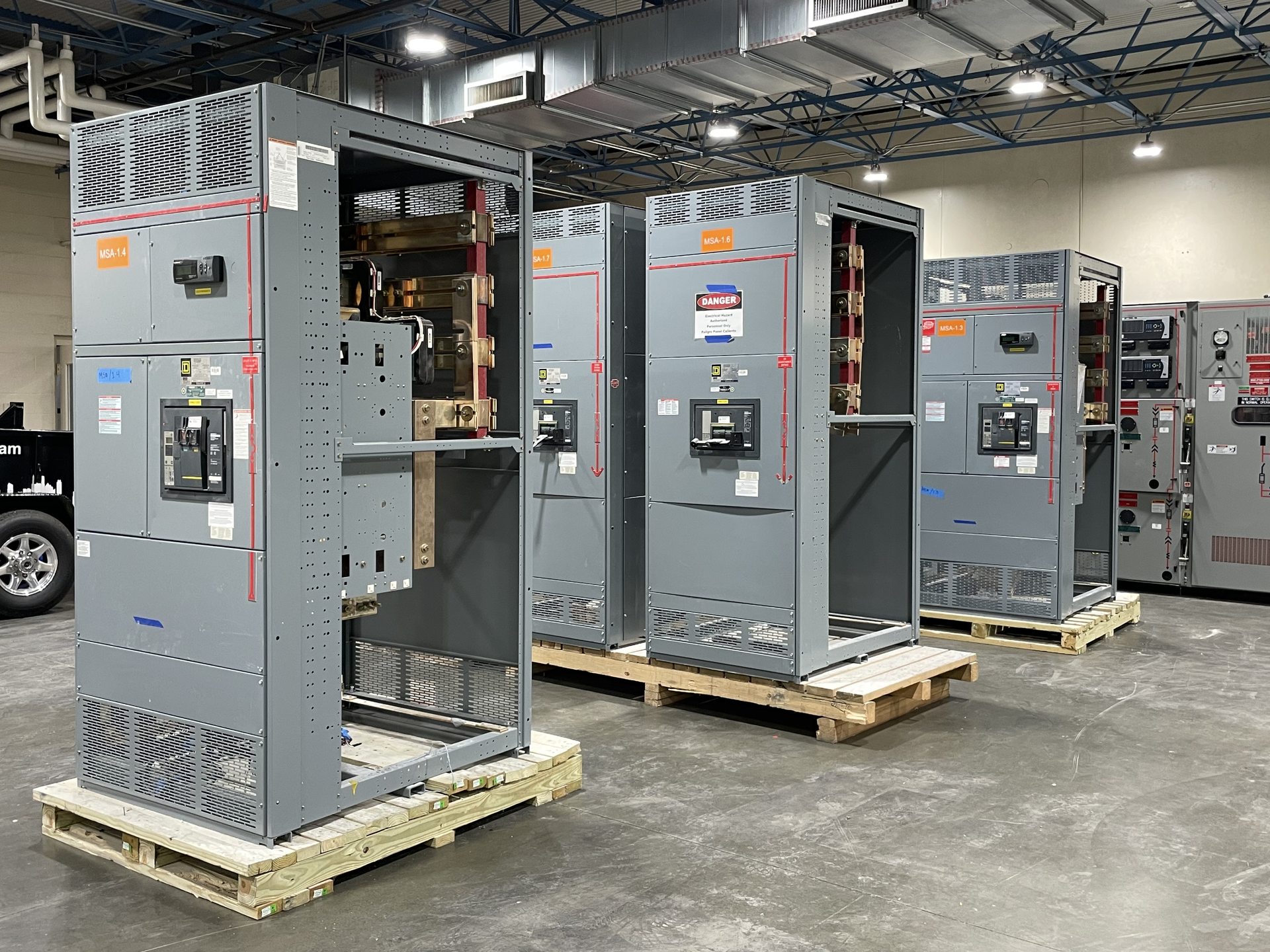
Photographs may be useful when they can be taken from a safe, accessible location. Existing photos are also worth sharing. They can provide context about visible identification and the overall installation, but they do not replace verified records or prove the condition of concealed parts. Do not approach operating equipment, enter restricted or unsafe spaces, or disturb the installation to create a better view.
Describe access constraints before discussing handling
Tell the buyer about known access limits that could affect the equipment or its removal, using information available to you. For example, explain if records indicate that sections are inside a building, in a restricted area, or subject to an established site-access window. You do not need to investigate inaccessible locations or assess how equipment can be moved. The purpose is to flag constraints early, not to plan lifting or removal yourself.
Never touch energized equipment. Do not open, operate, disconnect, move, lift, rig, load, ship, or haul busway, and do not enter an unsafe area. You may inquire about equipment that is still installed or operating using information already available. Do not make equipment safe or non-operating for the sake of requesting an offer.
Separate nameplate ratings from actual operating conditions
A 5,000-amp rating is a marked equipment rating; it is not a reading of the electrical conditions at the moment. Likewise, a voltage shown in existing documentation or on an accessible exterior nameplate is not confirmation of live voltage. Share the source of each detail where possible, and identify estimates, incomplete records, and unverified information as such. That distinction gives the buyer a more reliable basis for reviewing the opportunity.
Useful context may include the equipment’s known location, ownership, service history, and whether it is surplus, removed, or still installed. Share only what you can access safely and are authorized to provide. Testing is not required to begin a discussion, and you are not expected to open equipment or obtain details that cannot be reached safely.
Know what happens if equipment is purchased
The company buys surplus, used, and decommissioned electrical equipment; it does not sell busway. It considers equipment across voltage classes, including assets associated with closed data centers and power plants. A purchase is not assured, and the available information may affect whether an offer can be made. If the equipment is purchased, payment is upfront, and freight is covered.
For purchased equipment, the buyer handles disconnects and the physical handling arrangements, including crane, rigging, loading, freight, and hauling. The seller does not perform or arrange those operations. A cash offer is not guaranteed, and neither a purchase nor a particular price is assured. You can request consideration without commissioning testing or taking on removal tasks.
Prepare a focused inquiry
A practical inquiry can state that the asset is described as 5,000-amp busway, summarize the sections and accessories believed to be included, and identify any known access constraints. Add safely available photos, records, location, ownership, and known condition as appropriate. Clearly mark anything uncertain, and mention if the installation remains in service. This gives the buyer useful context while avoiding unsupported claims about sections that may differ.
Before sharing information, confirm that you are authorized to discuss the equipment and provide its records. If some details are unavailable, say so; do not enter an unsafe area or alter the equipment to complete an inventory. An accurate account of what is known, what is included, and what access limits already exist is a sound basis for deciding whether to request an offer on Indiana busway.