Start with the assembly rating, not an assumption about every breaker
A 1,200-amp designation can be useful when describing switchgear, but it does not establish that every breaker in the lineup has a 1,200-amp rating. The assembly and its individual devices have separate ratings and should be described separately when that information is already available. A clear distinction helps an authorized Indiana seller present the equipment accurately and gives a buyer a better basis for reviewing a possible purchase.
For example, an exterior nameplate may identify the switchgear assembly as 1,200 amps, while equipment records list breakers with different ratings. Share those details as separate facts rather than treating the assembly rating as a rating for every breaker. If breaker information is unavailable or uncertain, say so. Do not open equipment, operate it, or approach it to look for additional information.
Describe what the rating does—and does not—tell you
An amperage rating is not the same as the voltage present at the equipment. A 1,200-amp label identifies an ampere rating associated with the labeled assembly or device; it does not, by itself, establish the system voltage or verify the equipment’s current operating condition. Voltage information, if available from safely accessible records or exterior markings, should be shared separately.
Preserve the wording and context of any label or record rather than converting it into a broader claim. A listed rating is a documented value, while a statement about live voltage or present condition requires different evidence. If the label cannot be safely seen or the records do not resolve a question, identify that limitation instead of guessing.
Share information that is already safely available
An inquiry can begin with practical details the owner or authorized representative already has: the equipment’s general type, the assembly rating, any separately documented breaker ratings, location, ownership, and known condition. Safely accessible exterior nameplate details, existing photos, or an equipment list may help explain what is being considered. No single detail has to be available before an inquiry can be made.
Never touch energized equipment. Sellers must not open or operate equipment, approach energized equipment, or enter an unsafe area to gather information. Equipment may still be installed or operating when an owner asks about a potential sale, using information already available. Do not attempt to make it safe or obtain details that cannot be reached safely.
Explain the equipment’s context without overstating its condition
Switchgear that has been used, placed in surplus, or decommissioned may have different histories and documentation. Share what is known about the equipment’s status and any known condition, while distinguishing firsthand records from assumptions. If the lineup came from a closed facility, such as a data center or power plant, that context may be relevant, but it does not independently verify condition, completeness, or suitability for another application.
Photographs and records can support an initial review, but they are not a substitute for facts that are missing or uncertain. There is no requirement to test equipment before discussing it. The business considers equipment across voltage classes, so an inquiry need not assume a particular voltage class is automatically excluded; the actual markings and available information still matter.
Understand the purchase and payment arrangement
The business buys surplus, used, and decommissioned electrical equipment; it is not offering switchgear for sale. An owner or authorized seller can provide the available description and request a cash offer. A purchase and any offer are not guaranteed, and the 1,200-amp designation alone does not establish a value. The assembly, its devices, the information available, and the buyer’s review all affect whether a purchase is considered.
For equipment that is purchased, payment is made upfront. Testing is not required from the seller. These terms can make an initial conversation possible without asking facility personnel to verify performance or make claims beyond what they know. Payment and purchase details should be understood in the context of an actual agreed transaction; no particular price or timeline is promised.
Know who handles equipment movement
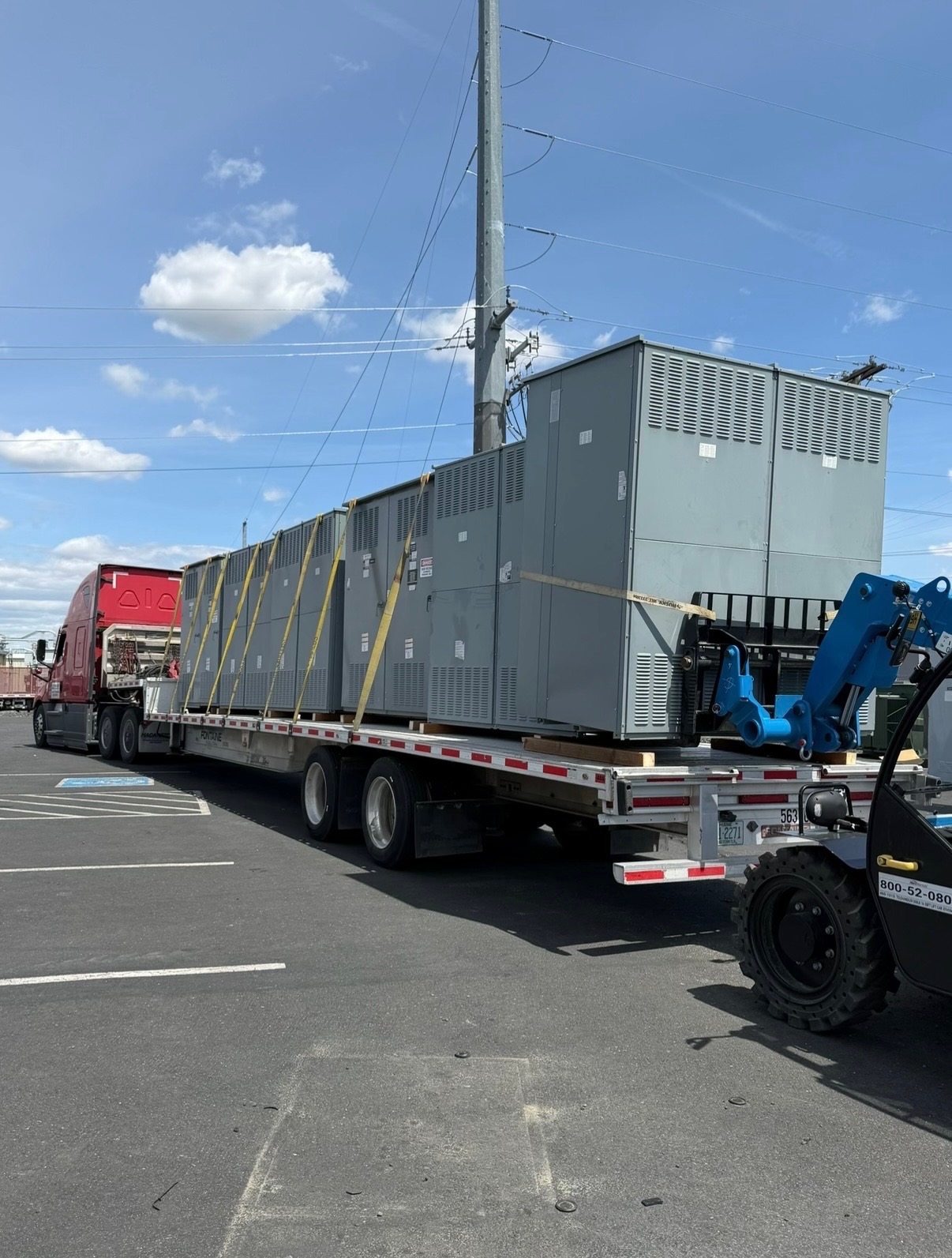
For purchased equipment, the buyer handles disconnects and the physical logistics, including crane, rigging, loading, freight, and hauling. Freight is covered for purchased equipment. The seller does not perform or arrange those operations, and an inquiry does not require the seller to move, prepare, or ship the switchgear. Whether the equipment remains installed or operating can be mentioned using information already known, without attempting to change its status.
When describing a possible 1,200-amp sale, the most useful starting point is a careful separation of verified assembly details, separately known breaker ratings, voltage information, and uncertainties. Add the location and ownership context if available, and leave inaccessible information unknown. That gives an authorized Indiana seller a practical way to begin a review without testing equipment or taking on handling tasks.