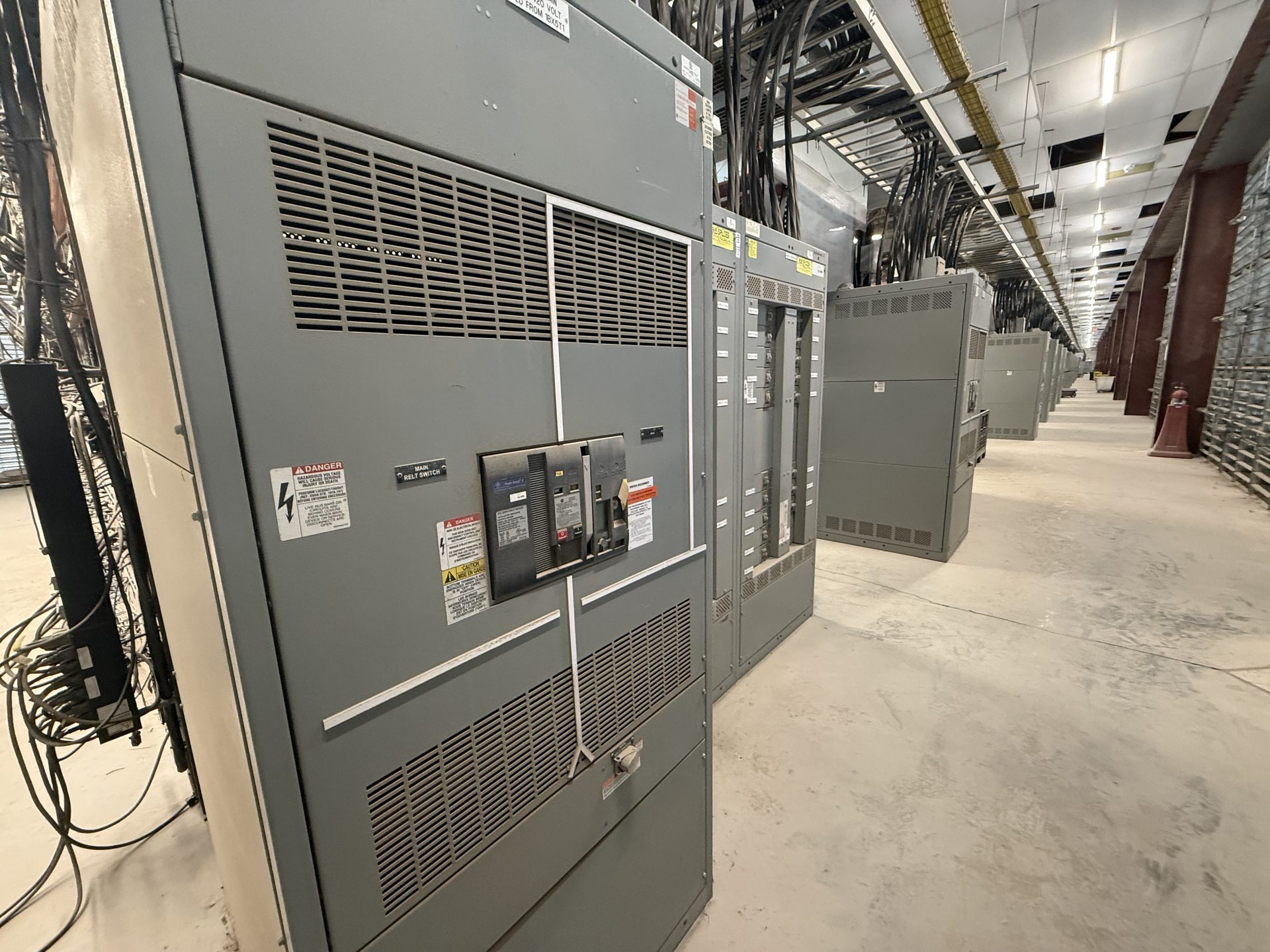
Start With the 1,600-Amp Rating, Not an Assumption About the Switch
A transfer switch identified as 1,600 amps may be relevant for resale even if it is surplus, used, or part of a larger facility closure. The rating is a useful starting point, but it does not establish the switch’s voltage, configuration, condition, or suitability for a particular application. Voltage classes are considered, so an owner need not assume the equipment is outside the range of interest just because its voltage is not yet confirmed.
Keep the distinction clear between a marked rating and live electrical conditions. A nameplate rating describes equipment information; it does not tell you whether the switch is energized now. Never touch energized equipment. Do not open, operate, or approach energized equipment, and do not enter an unsafe area to gather details. If the switch remains installed or operating, an inquiry can still begin with information already available to you.
Share Nameplate Details Only When Safely Accessible
If the nameplate can be viewed safely from an accessible exterior location, a clear photo or written transcription can help identify the unit. Useful details may include the manufacturer, catalog or serial information, amp rating, voltage markings, and other ratings or designations shown. Share only what you can already access safely; do not remove covers, approach a hazard, or seek out information that is inaccessible.
If the 1,600-amp figure comes from a facility record, equipment list, or prior documentation rather than a visible nameplate, say where the figure came from. That lets the buyer distinguish a documented rating from a value that has not been verified. It is better to identify uncertainty plainly than to present an assumed voltage, condition, or configuration as a confirmed fact.
Clarify Whether the Controller Is Included
Transfer switches may be offered with a controller or without one, and that distinction can affect how the equipment is evaluated. State whether the controller is included, if you already know. If records are unclear, describe that uncertainty rather than inspecting the switch or trying to operate it. Existing inventory descriptions or safely accessible photographs may help explain what is being offered.
Other known details can also provide context: whether the switch is standalone or associated with a larger electrical assembly, whether it is surplus or decommissioned, and any condition information already recorded. A seller is not expected to test the equipment. The buyer does not require testing as a condition of making an inquiry, and no one should operate the switch to answer questions about it.
Explain Site Availability and Ownership
Include the Indiana site location and who is authorized to discuss or sell the equipment. If the switch is still installed, operating, or scheduled for removal as part of a facility project, state that using information already available. You do not need to make the equipment available by entering a restricted area or changing its status. A brief explanation of access constraints, known timing, or other equipment at the site can help establish what a potential transaction would involve.
Photographs are optional supporting information, not a reason to approach the equipment. Use only images already available or taken from a safe, accessible position. If no image can be obtained safely, an equipment list, records, or a written description may still be useful. The point is to communicate what is known without creating a new inspection or handling task for facility personnel.
Understand What Happens If the Equipment Is Purchased
The business buys surplus, used, and decommissioned electrical equipment; it does not sell transfer switches. A seller can request a cash offer, but an offer or purchase is not guaranteed. For equipment that is purchased, payment is upfront, testing is not required, and freight is covered. These terms do not guarantee a particular price, decision, or transaction date.
For a purchased switch, the buyer handles the crane, rigging, disconnects, loading, freight, and hauling. The seller does not perform or arrange those operations. Do not disconnect, move, lift, rig, load, ship, or haul the switch as part of preparing an inquiry. Whether the equipment is still in place is useful site information; handling is a separate matter for the buyer if a purchase proceeds.
Make a Clear, Low-Risk Inquiry
A concise inquiry can identify the equipment as a 1,600-amp transfer switch and include safely available nameplate information, controller inclusion, known condition, location, ownership, and site availability. Not every detail is necessary to begin a conversation. Mark unknown items as unknown, and avoid making claims based on a live reading or an unverified assumption.
Indiana owners and authorized sellers can also ask whether other surplus equipment from the same project is relevant. The buyer considers equipment across voltage classes and may consider switches associated with closed data centers or power plants, without that implying acceptance of any particular unit. Providing accurate information already at hand gives the buyer a basis to evaluate the switch while keeping facility personnel away from unsafe inspection or handling.