Selling 125-amp electrical equipment
Owners and authorized sellers can request a cash offer for 125-amp electrical equipment in Indiana. The buyer considers electrical distribution equipment across voltage classes, pays upfront for a purchase, covers freight and does not require testing. The business is a purchaser, not a seller of replacement equipment. Each inquiry is reviewed on its own facts, so a purchase or price is not guaranteed.
Understand the equipment and project
A 125-amp marking describes a current rating; it does not by itself identify the voltage, manufacturer or equipment configuration. If the nameplate can be read safely, share the full marking along with the type of equipment and model. A photograph of an accessible exterior label is helpful, and an incomplete description is still a place to start.
Plan around the actual site
Do not infer the rating of every component from a single 125-amp label. A lineup may contain separately identified devices or sections, and a lot may contain different ratings. Let the buyer know which rating belongs to which item when the information is available, and avoid operating or opening equipment to obtain additional details.
A practical starting point
The first step is to define the property being offered. An owner might have one item, a multi-section lineup or a combination of loose electrical devices. For 125-amp electrical equipment in Indiana, note the approximate count and where each group is located. If the sale depends on an upcoming project, an estimated availability date is useful, but it is fine to say that the date is not yet established.
Information that helps identify equipment
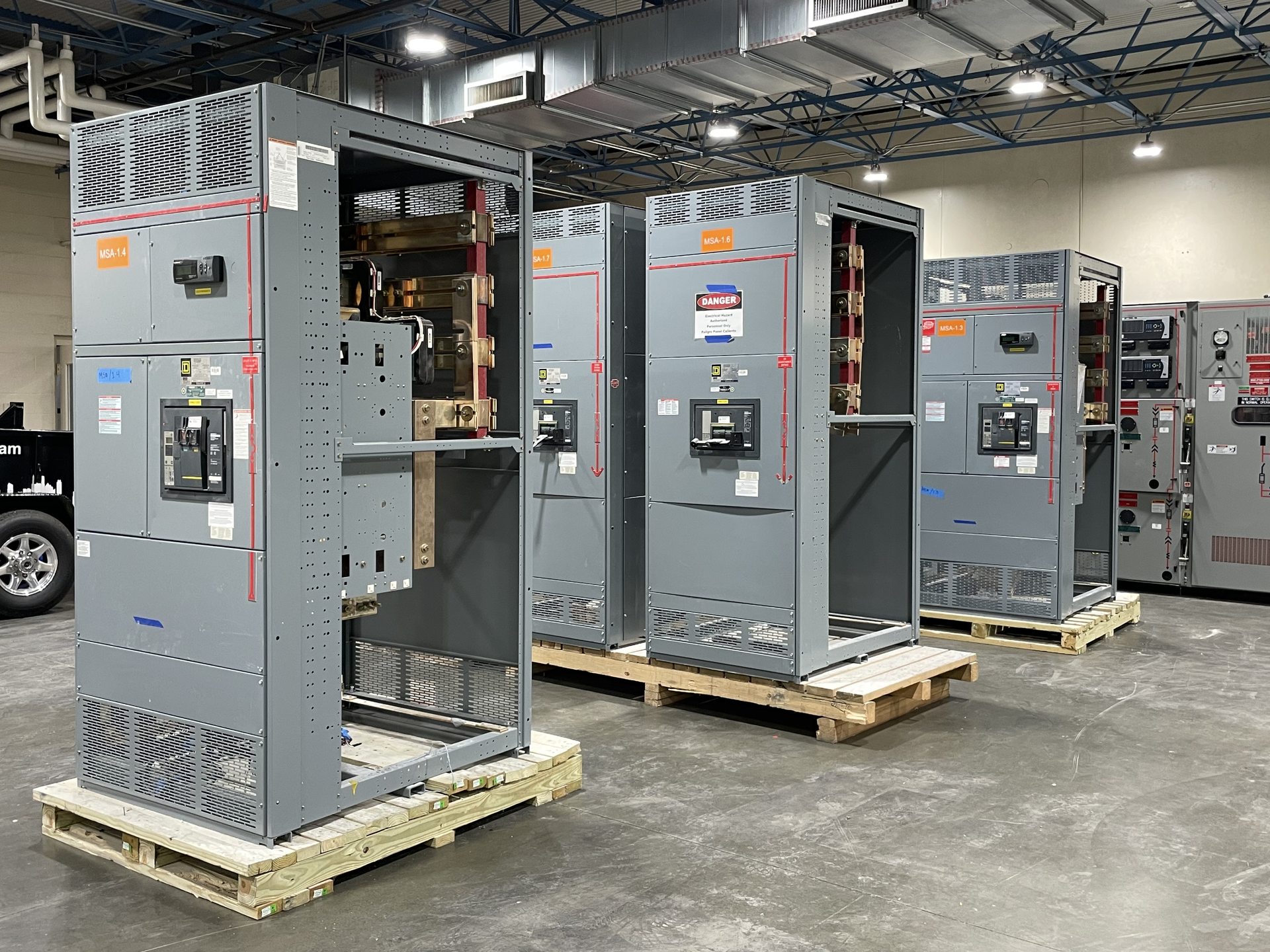
If available, share an exterior nameplate photograph and a wider view that shows how the equipment is arranged. A written list of manufacturer, model, voltage, current rating and quantity can also be useful. Existing records or safe exterior photographs can supplement a list, but a seller does not need every specification before asking about 125-amp electrical equipment. If a number cannot be read, say so instead of guessing; an incomplete inquiry can still start the conversation.
Describe condition without testing
You do not need to run electrical tests before contacting the buyer. Explain whether the material is unused surplus, used equipment or something whose history is uncertain, and mention visible damage or missing pieces if known. Avoid promising a condition you cannot verify. Do not operate breakers, expose internal components or disturb installed equipment to make a sale inquiry.
Organizing a mixed inventory
If the opportunity includes more than one kind of equipment, group the items in a way that another person can follow. Record where each group is stored, its approximate quantity and any markings already known. Add a note about loose parts or documentation if they will be included. The resulting list gives the buyer a clearer picture without requiring a detailed engineering survey.
Cash offers and upfront payment
A seller can request a cash offer after sharing the available equipment details. The buyer reviews the actual opportunity and pays upfront when buying. The offer, if made, depends on the information and circumstances of the particular lot; it is not a promise to purchase every item. Discuss any proposed transaction directly before making arrangements.
Rigging, disconnects and logistics
Crane, rigging, disconnects, loading, freight and hauling are all handled by the buyer for a purchase. The seller does nothing but get paid. Let us know where the items are located and whether the lot is in place, staged or tied to a future release date. Site access and any known handling constraints can be discussed as the transaction develops.
Safety and authority to sell
Only someone authorized to sell the equipment should arrange the transaction. Coordinate access with the facility owner and explain any site procedures. Never open, operate, test or disconnect equipment merely to obtain details for an inquiry; the buyer handles disconnects. If equipment is still in service, explain its status and the expected project schedule instead.
Prepare for the next conversation
The next step is to request a cash offer for the identified equipment. Explain whether the equipment is ready or tied to a future project milestone. If details will become clearer later, say which ones are still pending. Request a cash offer and review the details with the buyer.