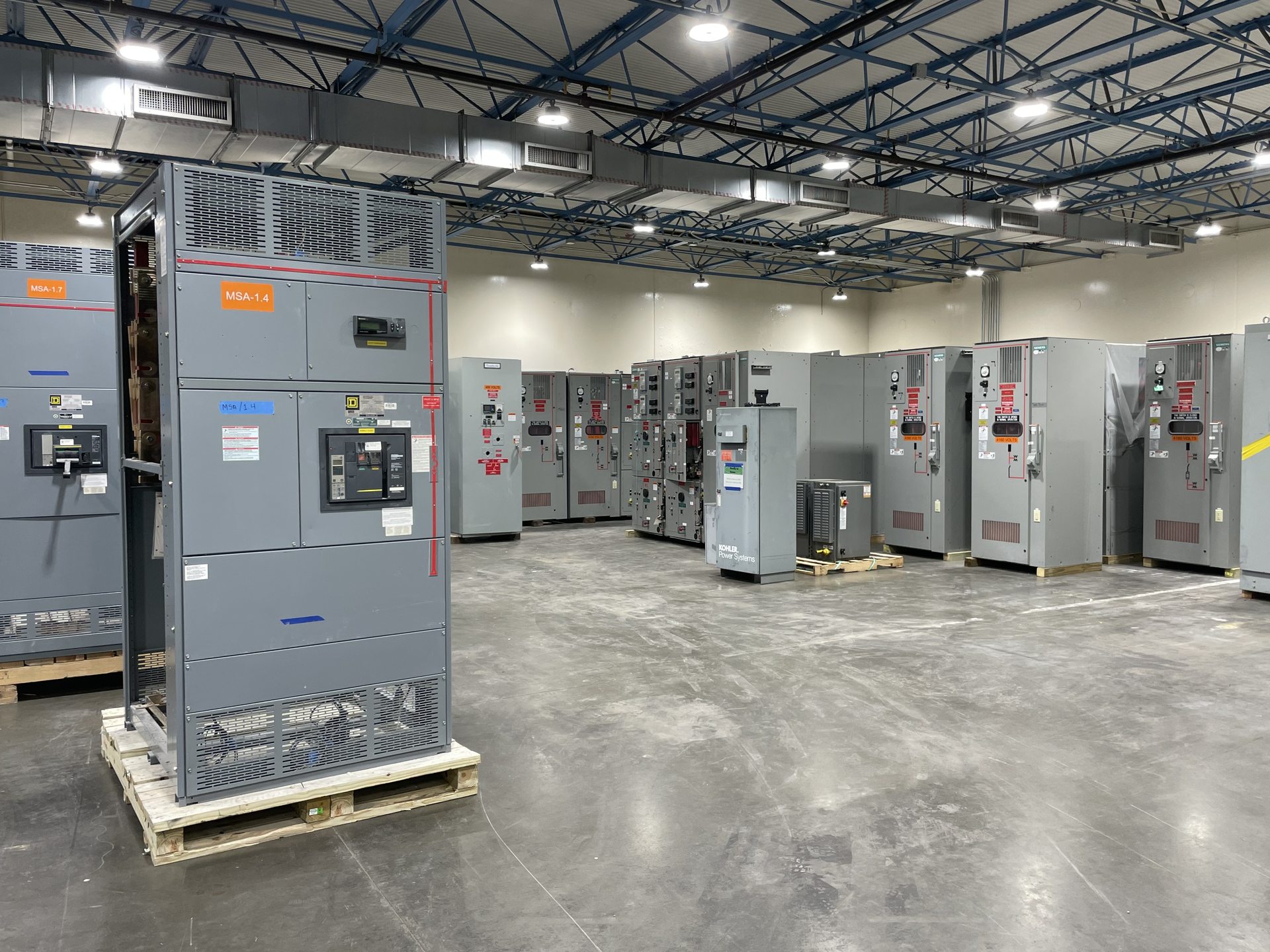
Describe the 4,000-Amp Lineup, Not Just Its Rating
A 4,000-amp designation is a useful starting point when discussing surplus switchgear, but it does not describe the whole lineup or establish its value by itself. The rating should be treated as information from the equipment label or existing records, not as proof of live voltage, present operating condition, or the scope of sections being offered. Share what is known and distinguish documented details from estimates or unanswered questions.
If available, note the manufacturer, label information, voltage rating, and any other identifying details already accessible without approaching an unsafe area. A photograph of an exterior nameplate may help if it can be obtained safely. Do not open equipment or go near energized gear to find missing information. An inquiry can begin with partial details.
Define Which Sections Are Included
Explain whether the offer concerns a complete switchgear lineup or only identified sections. Existing equipment schedules, drawings, asset lists, or project records may clarify the lineup’s boundaries. Mention known sections, such as incoming or distribution sections, only when supported by information you already have. If the records do not establish what is included, say so rather than presenting an assumption as a confirmed inventory.
Also identify any known items that are excluded or handled separately. For example, a facility may be discussing the switchgear lineup while retaining adjacent equipment or other electrical assets. A clear description helps the buyer understand the proposed scope before considering an offer. It does not require the seller to inspect equipment or resolve uncertain boundaries personally.
Give the Existing Location and Site Context
Provide the equipment’s Indiana location at a level that helps identify the site, along with any known information about where the lineup is situated within the facility. Existing records can be useful if the equipment is still installed or operating. You may inquire about it using information already available; it does not have to be removed or made non-operating before a discussion can begin.
Never touch energized equipment. Do not open, operate, or approach energized equipment, and do not enter an unsafe area to gather details. If a location, access condition, or equipment boundary is uncertain, state that plainly. The buyer can consider the information provided without asking you to make the equipment safe or obtain details that are inaccessible.
Separate Confirmed Facts from Unknown Condition
Useful information may include ownership, the reason the equipment is surplus, when it was taken out of service if known, and any documented condition notes. If the lineup remains in service, say that. If its status is not confirmed, identify that uncertainty. Avoid describing equipment as operational, complete, or tested unless existing records support the statement.
Testing is not required to request consideration. Share records or photos that are already available and safe to provide, but do not test, energize, disconnect, or move equipment for an inquiry. A buyer may make a cash offer after reviewing available information, but neither an offer nor a purchase is guaranteed. The 4,000-amp rating alone does not settle the decision.
Understand What a Purchase Would Include
The company buys surplus, used, and decommissioned switchgear rather than selling replacement equipment. It considers equipment across voltage classes, including gear from closed data centers and power plants. Whether a particular 4,000-amp lineup is of interest depends on the offered equipment and the information available; no category or rating guarantees a purchase.
For equipment it purchases, the buyer handles disconnects, crane and rigging work, loading, freight, and hauling. Freight is covered for purchased equipment, and payment is upfront. The seller does not perform or arrange those handling operations. These terms apply to a completed purchase, not merely to an inquiry or an unaccepted offer.
Make the Inquiry Useful Without Overreaching
A concise inquiry can identify the lineup, its known scope, its present location, and the equipment status as documented. Add safely available exterior photos, label details, or records where practical. If a section count or rating is uncertain, say that it is uncertain. There is no need to obtain inaccessible information or enter a restricted or unsafe area to complete the initial description.
With those boundaries clear, an authorized seller can present the opportunity without treating an amperage label as an appraisal or taking on work that belongs to the buyer. The buyer can review the known facts and decide whether to make an offer. Any proposed sale remains subject to that review and the parties’ agreement on the specific lineup and included sections.