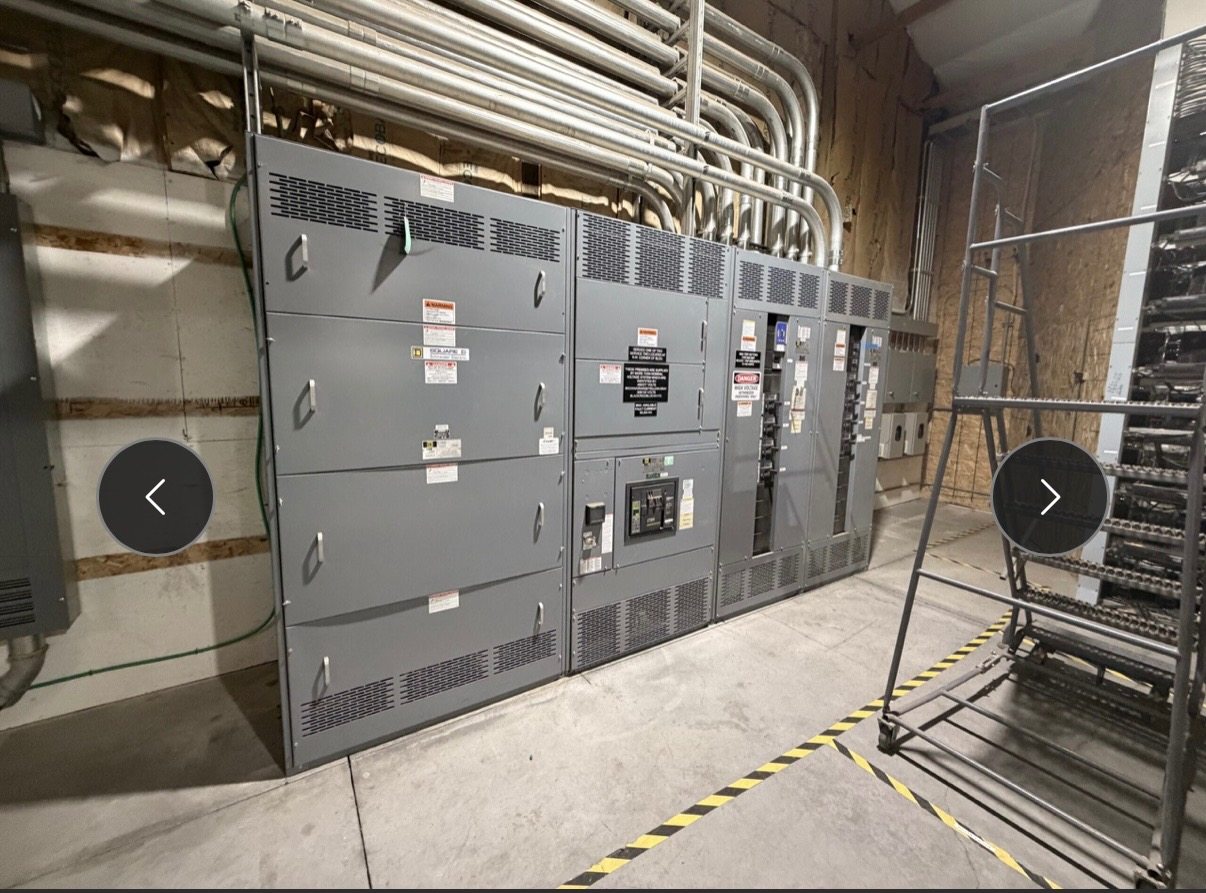
Describe the lineup as it stands
When you inquire about a 2,000-amp switchgear lineup, start with what you know rather than trying to reconstruct details from memory. Report that the equipment is identified as 2,000 amp if that information is available, then describe the lineup’s section count and breaker arrangement. A clear account helps an authorized buyer understand what is being considered without turning an incomplete description into a claim about dimensions, weight, or configuration.
Count the sections only if you can do so from existing records or a safely accessible view. Explain what you counted and whether the number is confirmed or approximate. A lineup may include sections serving different functions, and an equipment schedule, drawing, or inventory may use a different naming convention. If records disagree, say so; do not resolve the difference by guessing.
Separate installed breakers from spares
Describe attached breakers separately from spare breakers. For example, say that a lineup has a known number of breakers installed in its sections and that additional breakers are stored as spares, if that is what the available information shows. If the spare count or the breakers’ relationship to this lineup is uncertain, identify that uncertainty rather than combining every breaker in the room into one total.
Where known, note breaker labels or ratings from existing records or safely accessible exterior nameplates. A spare may be associated with the lineup, but that does not by itself confirm its compatibility, condition, or inclusion in a potential transaction. Likewise, an installed breaker count does not establish that every position is populated or that every breaker is operational. The buyer can review the information; you do not need to test equipment to make an inquiry.
Keep ratings distinct from operating conditions
“2,000 amp” describes an amperage rating as identified for the equipment; it is not a statement of the voltage present at the site. If the voltage class is known from a label or record, provide it separately. If it is not known, say that it is unverified. The company considers equipment across voltage classes, so uncertainty about voltage is a reason to describe what is known—not to infer a value from the amperage rating.
Also distinguish a rating shown on documentation from a verified fact about the lineup’s present condition. You can share known information such as whether the equipment is installed, decommissioned, or reported as surplus, but avoid presenting an old schedule as confirmation of current contents. Photos, equipment lists, location, ownership information, and known condition may help an initial review when already available and safely accessible. You are not expected to obtain details you cannot access safely.
Do not estimate size or weight from section count
Section count can help identify the scope of a lineup, but it does not provide a reliable basis for inventing its overall dimensions or weight. Sections can differ in arrangement and contents, and attached breakers or other components may affect what is being evaluated. Unless dependable records already state measurements or weight, leave those fields unknown rather than extrapolating them from the number of sections or the 2,000-amp rating.
Never touch energized equipment. Sellers must not open or operate equipment, approach energized equipment, or enter an unsafe area to collect information. You may ask about a lineup that is still installed or operating using details already available, such as existing records or safely accessible exterior information. Do not make the equipment safe, disconnect it, or move it for the purpose of an inquiry.
Share a useful, qualified description
A concise inquiry can identify the equipment as a 2,000-amp lineup, give the reported section count, distinguish installed breakers from separately stored spares, and note which details are confirmed, approximate, or unknown. Include the Indiana location and clarify whether the equipment is still installed, if known. Ownership or authority to discuss the equipment is also relevant. These facts help the buyer understand what is being offered for consideration without requiring you to supply a complete technical inventory.
Photographs can supplement written information when they are already available and can be shared without entering a restricted or unsafe area. Avoid treating a photograph as proof of internal condition or assuming that every visible breaker belongs to the lineup. If an equipment list, drawing, or nameplate conflicts with another source, describe the conflict and let the buyer assess it rather than silently choosing one version.
Understand the transaction and handling roles
The company buys surplus, used, and decommissioned electrical equipment; it does not sell switchgear to the inquiring owner. After reviewing the information, it may make a cash offer, but neither an offer nor a purchase is guaranteed. Sellers are not required to test equipment. For equipment that is purchased, payment is made upfront and freight is covered, subject to the transaction being agreed.
For purchased equipment, the buyer handles disconnects, crane and rigging arrangements, loading, freight, and hauling. The seller should not undertake or arrange those operations as part of making an inquiry. Keeping the initial description accurate and clearly marking uncertainty gives the buyer a practical basis for review while leaving equipment handling to the buyer if a purchase proceeds.