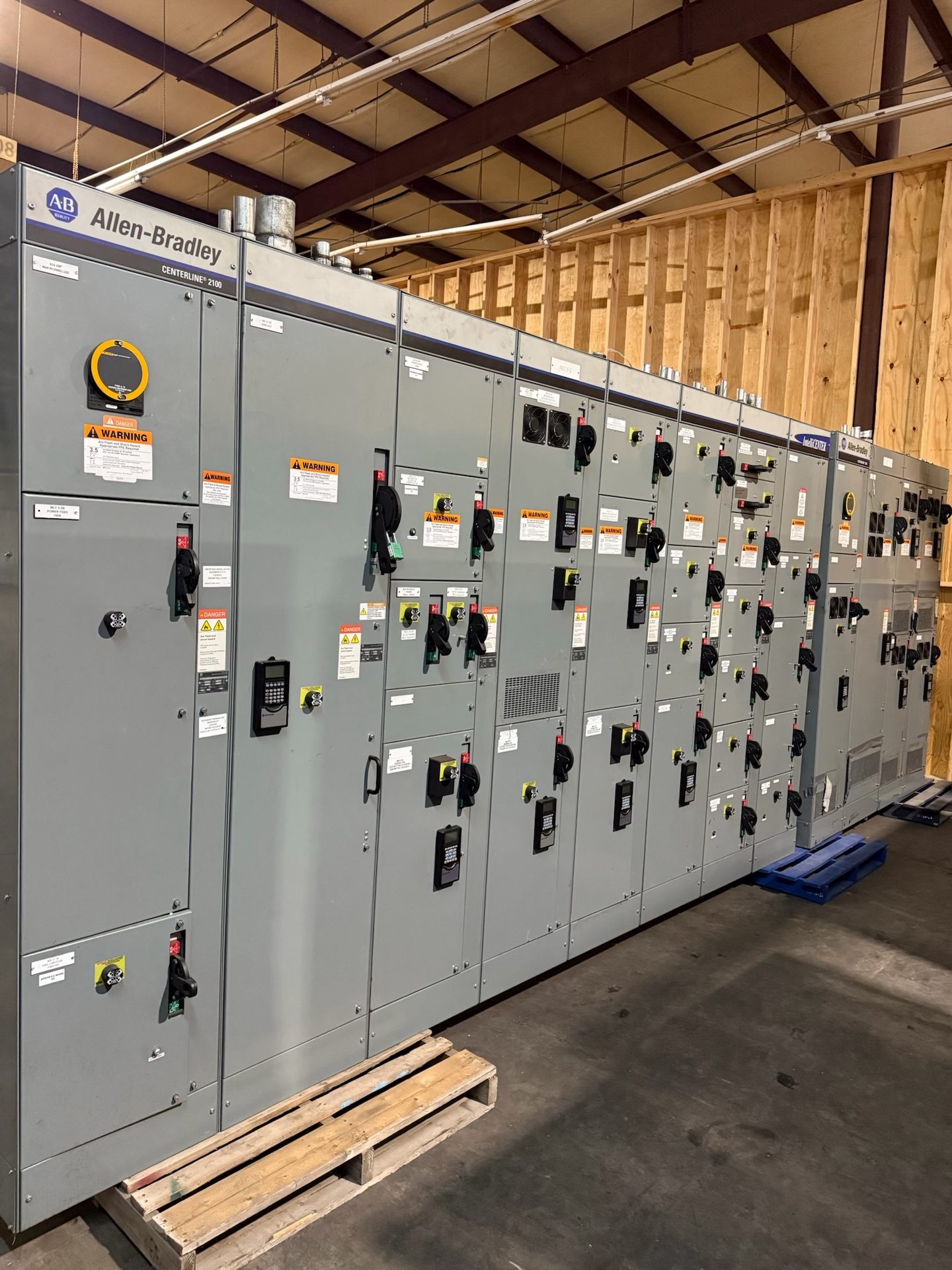
Start with what “2,500 amp” identifies
A switchboard described as 2,500 amp may have a main bus or service rating of 2,500 amps, while its individual feeder devices have different ratings. Those figures describe different parts of the assembly. A feeder breaker marked 400 amps, for example, does not by itself establish the rating of the main bus, and the main rating does not mean every feeder is rated for 2,500 amps.
When considering a possible sale, use information already available to identify which rating the 2,500-amp figure refers to. The front label, nameplate, equipment schedule, drawings, or asset records may help clarify whether it describes the main bus, a main device, or another component. If the records do not resolve the question, state that the rating’s meaning is uncertain rather than presenting an assumption as verified.
Describe the complete assembly, not just its largest number
A useful initial description can include the switchboard’s maker and identifying information if visible, its approximate age if known, the number of sections, and whether a main device is indicated in the records. Existing feeder schedules or labels can show the range of feeder ratings and how the sections are arranged. These details help distinguish a complete switchboard from a partial assembly or a group of separate components.
Share only details that are already available and safely accessible. Exterior photographs, existing records, and an equipment inventory may be enough to begin a conversation; no one needs to obtain inaccessible labels or open equipment to provide information. If the board remains installed or in operation, an authorized seller may still inquire using records and observations already at hand.
Keep ratings separate from voltage and condition
Amperage and voltage describe different electrical characteristics. A 2,500-amp designation is not a statement of the equipment’s voltage, and the rating alone cannot establish the voltage class. Use an existing nameplate or record for voltage information, and distinguish a marked rating from live operating voltage. If the available information is incomplete, say so rather than estimating.
Condition is another separate question. Existing service notes may indicate whether the equipment was removed from service, stored, or associated with a facility that has closed. Report known facts and clearly identify anything that is unknown. A seller is not required to test the switchboard, and the buyer does not require testing as a condition of discussing equipment. Never touch energized equipment. Do not open, operate, or approach energized equipment, or enter an unsafe area to gather details.
Explain the equipment’s status and ownership
For a 2,500-amp switchboard from a facility, explain whether it is surplus, decommissioned, or still installed, based on information you already have. Include its general location and whether the available records identify it as one assembly or as sections with associated components. If ownership or authority to sell is not clear, resolve that through the appropriate internal channels before representing the equipment as available.
Equipment from a data center, power plant, or another facility can be considered, and all voltage classes are considered. The source facility does not establish a particular value or condition. A clear account of what is known, what remains uncertain, and what components are included gives the buyer a sounder basis to evaluate the inquiry.
Understand what happens if equipment is purchased
The company buys surplus, used, and decommissioned electrical equipment; it does not sell switchboards. You may request a cash offer, but an offer or purchase is not guaranteed. For equipment that is purchased, payment is upfront. The seller is not required to test it, and freight is covered for purchased equipment.
The buyer handles disconnects and the physical handling arrangements for purchased equipment, including crane, rigging, loading, freight, and hauling. The seller does not perform or arrange those operations. Do not attempt to prepare or move the switchboard to support an inquiry; provide available information and let the buyer address handling if a purchase is agreed.
Make the initial inquiry useful and accurate
A concise inquiry can identify the equipment as a 2,500-amp switchboard, state whether that figure is confirmed as the main bus rating, and summarize any known feeder ratings separately. Add safely accessible exterior nameplate details, available photos or records, location, ownership information, and known condition where available. You do not need to supply every item before asking whether the equipment may be of interest.
Accuracy matters more than filling gaps. If a label is unclear or the feeder schedule is missing, describe that limitation. This lets the buyer assess the information without confusing a feeder rating with the main bus rating or treating an unverified voltage or condition as fact.