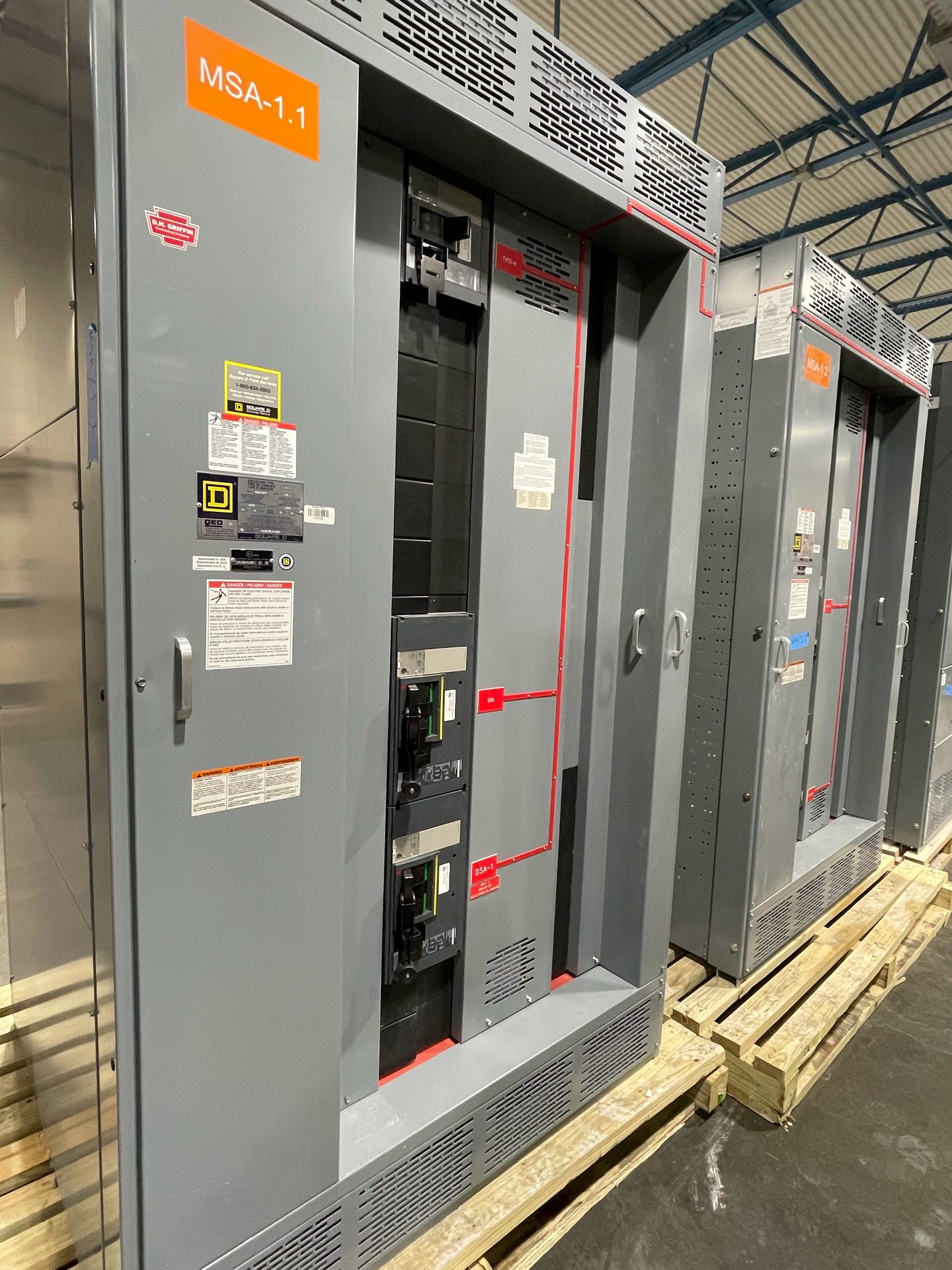
Build the inventory around rooms, not removal
If surplus switchgear is spread across several rooms in a Winchester facility, you can describe the opportunity without moving equipment or consolidating it. Start with the locations as they are known: building or area, floor, room name or number, and a recognizable identifier such as a door label. Keep each location distinct, even when similar equipment appears in more than one room. This helps an authorized buyer understand the scope and consider each group on its own terms.
A simple room-by-room inventory can be based on records already available, such as equipment schedules, asset lists, or safely accessible exterior nameplate information. Note which items appear to be switchgear, switchboards, motor-control centers, panelboards, busway, automatic transfer switches, breakers, or unit substations when that is known. If a category or identity is uncertain, say so rather than guessing. A preliminary description is useful even if it is incomplete.
Separate location from availability
For each room, state what is known about the equipment’s status: surplus, decommissioned, still installed, operating, or under review. Availability can differ by room. For example, one group may be identified for disposition while another remains in service or awaits an ownership decision. Make those distinctions explicit, and avoid presenting the entire building as available if only certain equipment has been authorized for consideration.
You can ask about equipment that is still installed or operating using information already available to you. Never touch energized equipment. Do not open, operate, or approach energized equipment, and do not enter an unsafe area to gather details. If a nameplate or other information cannot be safely accessed, leave it out and explain that it is unavailable. A seller is not expected to investigate beyond existing, safely accessible information.
Record identifiers without overstating what they prove
Where safely available, exterior nameplate details and existing photographs may help distinguish one unit from another. Record the wording as shown, including a manufacturer name, type designation, serial number, or rating, only when you can read it without approaching an unsafe location. Photos already on file can be useful too. Pair each image or record with the room identifier so that details are not accidentally assigned to the wrong equipment.
A printed voltage rating describes equipment’s stated rating; it does not establish the voltage currently present or prove the operating status of the installation. Keep those facts separate. If the rating is unclear, report it as unreadable or unknown rather than inferring it from the room, adjacent gear, or a facility drawing. The buyer can assess available descriptions as part of deciding whether to make an offer.
Explain what is known and what remains uncertain
Useful context may include ownership, known condition, whether equipment is complete or missing identified components, and whether records show a prior change in status. Distinguish direct observations and existing documentation from assumptions. “Listed as decommissioned in the asset record” is different from a confirmed physical assessment; “condition unknown” is better than a guess. You do not need to test equipment, and testing is not required for the buyer to consider it.
Include practical access context only if it is already known, such as which room contains the equipment or whether multiple groups are in separate areas. Do not move, disconnect, lift, or prepare anything to improve the description. For equipment purchased, the buyer handles disconnects and the physical handling arrangements, including crane, rigging, loading, freight, and hauling. Freight is covered for purchased equipment.
Present the scope for an informed cash offer
When contacting the buyer, organize the information by room and identify which equipment is being offered for consideration. Include the facility location in Winchester, Indiana, the seller’s authority to discuss the assets, and any known timing or availability limits. If a room contains a mix of available and retained equipment, identify that distinction clearly. This reduces confusion without requiring an all-or-nothing description of the facility.
The business buys surplus, used, and decommissioned electrical equipment, considers all voltage classes, and may consider equipment from facilities such as closed data centers or power plants. A cash offer is not guaranteed, and neither is a purchase. If equipment is purchased, payment is made upfront; the seller does not need to test it. Share what is already available, including gaps or uncertainties, and let the buyer evaluate the described scope.
Keep the discussion independent of physical preparation
A room-based inventory lets an owner or authorized representative discuss separate groups without relocating equipment first. It also gives the buyer a clearer basis for asking follow-up questions about a particular room, identifier, or availability status. If information is not accessible or a detail cannot be verified, say so plainly. The conversation can begin with records and safely available observations, while any purchase and subsequent handling remain subject to the buyer’s decision.