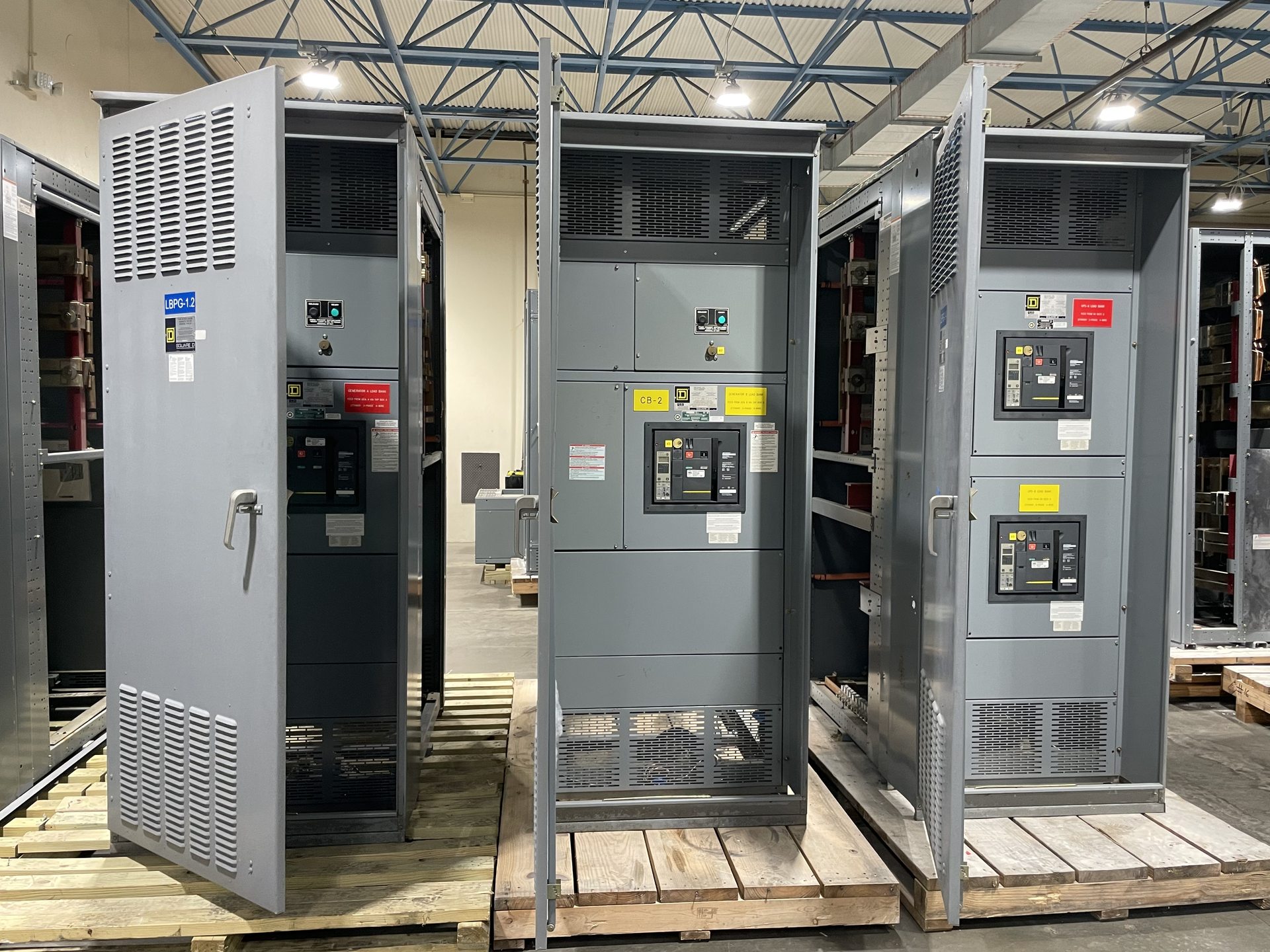
Separate the replacement scope from equipment staying in service
When a facility in Attica is changing its electrical distribution, the equipment being removed may sit beside gear that will remain in service. A buyer needs to know which lineup is genuinely surplus, not simply which equipment appears old or is near the work area. Start with the project scope and the records already available: identify the lineup designated for replacement and distinguish it from adjacent sections, associated equipment, or other assets that the facility expects to keep.
Do not infer ownership or sale eligibility from appearance alone. A lineup may share an enclosure, room, or operating arrangement with equipment that is not part of the sale. If the boundary is unclear, describe what is known and flag the uncertainty. The facility’s authorized representative can clarify which assets are available for consideration and which must remain untouched.
Describe the equipment without treating ratings as live conditions
Useful information may include the lineup’s manufacturer and type, section count, known application, approximate age, and any records or equipment list already on hand. If safely accessible from the exterior, a nameplate photo can help identify voltage and other ratings. A rating is a marked equipment characteristic; it does not establish the voltage present now. Likewise, an uncertain identification should be reported as uncertain rather than presented as verified.
All voltage classes are considered, and the equipment does not have to be described as a particular voltage class to begin an inquiry. A seller is not required to test it or obtain information that is inaccessible. Existing photographs, project documents, or asset records may be enough to begin a review; additional details can be shared if they are already available and safe to access.
Request exterior photos only from a safe location
Photos can clarify what the written description leaves open. If it is safe to do so from an ordinary, permitted location, share exterior views that show the overall lineup, its sections, and visible identifying labels. Include a wider view when it helps distinguish the proposed sale from neighboring equipment that will remain. Do not approach equipment or enter an area to obtain an image if doing so would be unsafe.
Never touch energized equipment. Sellers must not open or operate equipment, approach energized equipment, or enter unsafe areas for photos or inspection. If a label or section boundary cannot be seen safely, say that it is unavailable. A photo is useful context, not a requirement, and it does not replace the facility’s determination of what is authorized for sale.
Provide an access contact and clarify authority
Along with the equipment description, provide the facility location and a contact who can discuss access and the project boundary. That person might be the owner’s authorized representative or a facility contact familiar with the replacement scope. Their role is to coordinate communication and clarify what may be considered, not to perform physical work for a potential sale.
Confirm that the person discussing the equipment has authority to represent its owner or can direct the inquiry to someone who does. If access arrangements or the timing of a possible removal are not yet known, state that plainly. Do not promise access, readiness, or a removal date unless the responsible facility representative has confirmed it.
Understand what happens if equipment is purchased
The company buys surplus, used, and decommissioned switchgear; it does not sell replacement equipment. A cash offer may be considered after reviewing the available information, but neither an offer nor a purchase is guaranteed. If equipment is purchased, payment is made upfront. Testing is not required from the seller, and freight is covered for purchased equipment.
For purchased equipment, the buyer handles disconnects and the physical handling and transportation arrangements, including crane, rigging, loading, freight, and hauling. The seller should not undertake or arrange those operations as part of the inquiry. Until a purchase is agreed, describe the equipment and its status using information already available rather than changing its condition or preparing it for removal.
Make the inquiry useful without overstating what is known
A concise inquiry can state the Attica-area facility location, identify the lineup believed to be in the replacement scope, note what nearby equipment must stay, and include any safely available exterior photos or records. Add the access contact and distinguish confirmed details from estimates or unanswered questions. This gives the buyer a practical basis to review the equipment while leaving site access and sale authorization with the appropriate facility representatives.
If the lineup is still installed or operating, that fact does not prevent an initial inquiry. Share only information already available and do not enter a restricted or unsafe area to gather more. Clear boundaries, candid uncertainty, and a suitable contact help determine whether the equipment merits consideration without confusing it with assets the facility intends to keep.