Start with the scope: one assembly or a mixed lot
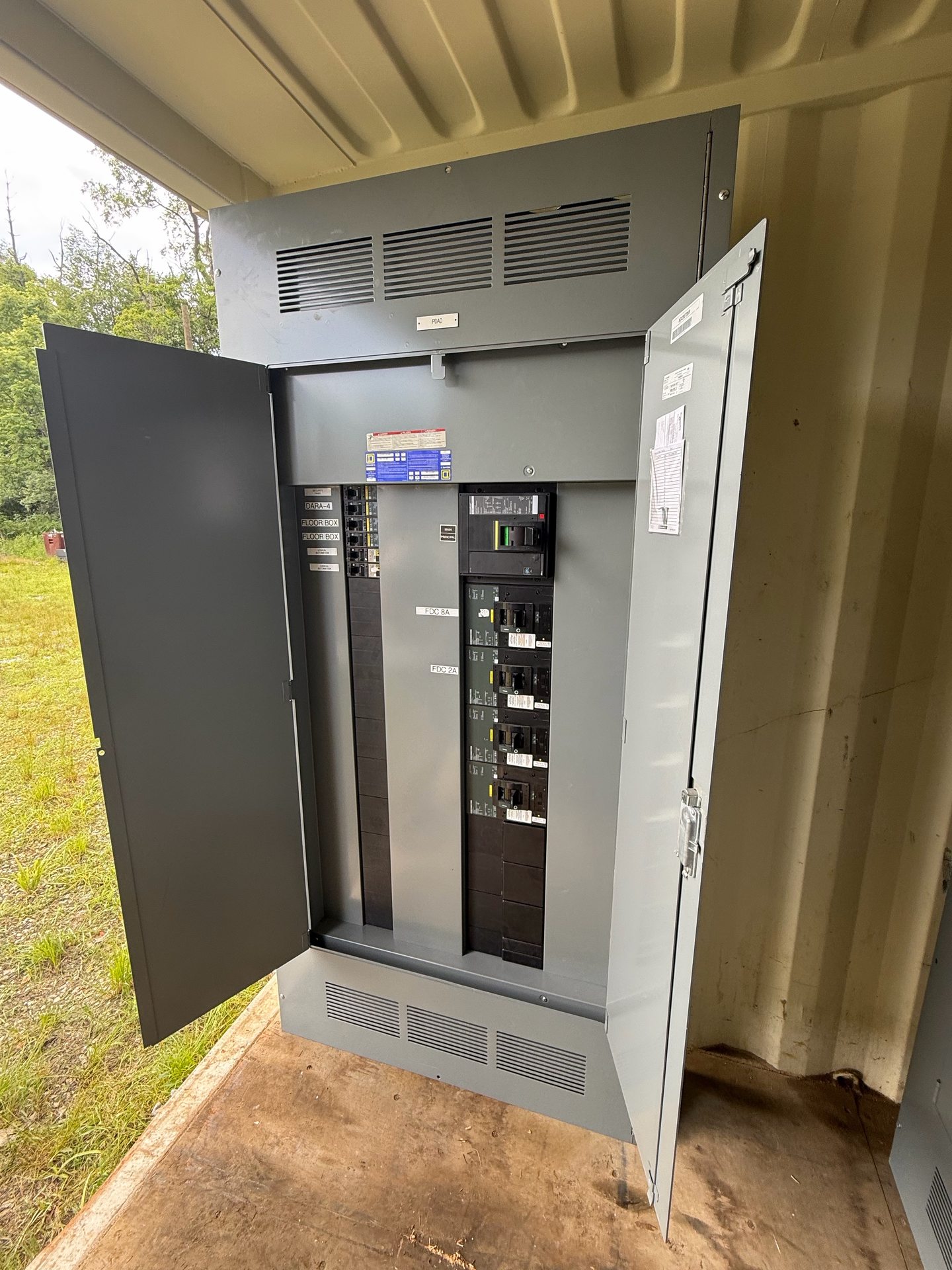
A single surplus assembly is often easier to describe than equipment gathered from several areas or projects. It might be one switchboard, motor-control center, panelboard, automatic transfer switch, breaker, busway section, or unit substation. A mixed lot may include several equipment types, different quantities, or assemblies with different histories and conditions. The distinction helps an authorized seller explain what is available without having to sort or handle the equipment first.
For equipment in Cicero, Indiana, begin with what you already know: whether the opportunity concerns one identifiable assembly or multiple pieces, and whether the equipment is grouped together or spread across a facility. The business buys surplus, used, and decommissioned electrical equipment; it does not sell equipment to the inquiring party. A purchase and a cash offer are not guaranteed, so an initial description is a way to assess the opportunity, not a commitment to buy.
Describe quantity without creating extra work
For a single assembly, share its known quantity and type. For a mixed lot, an approximate count or an existing equipment list can provide a useful starting point. If the lot contains both complete assemblies and separate components, say so when that information is readily available. You do not need to inventory every item or enter an area that is not safely accessible just to make an inquiry.
Quantity can shape how the opportunity is considered, especially when equipment types, sizes, or locations differ. If you are unsure whether several connected-looking sections count as one assembly or multiple pieces, state that uncertainty rather than guessing. Existing records, safely accessible exterior nameplate details, or photos may help clarify the scope, but no particular document or detail is required in every case.
Separate known condition from assumptions
Condition descriptions are most useful when they distinguish observed facts from unknowns. You may be able to report that equipment is surplus, used, decommissioned, or still installed, and share any known history or visible exterior condition. If a condition has not been verified, say that it is unknown. Do not infer operating condition from appearance or treat a label as proof of current status.
A rating shown on a nameplate is not the same thing as the voltage currently present at equipment. If a rating is available from an exterior label or existing record, share it as a rating; if live voltage or present operating status is unknown, identify it as unknown. Testing is not required for an inquiry or sale consideration. Never touch energized equipment. Sellers must not open, operate, or approach energized equipment, or enter unsafe areas.
Give an expected access window
Access timing matters because a facility may have a planned closure, renovation, decommissioning, or change in space availability. Share the expected window for access or removal if it is already known, along with any uncertainty about the date. If equipment is still installed or operating, you may inquire using information already available; it does not have to be made safe or taken out of service before the opportunity can be discussed.
Do not disconnect, move, lift, rig, load, ship, or haul equipment to prepare it for review or sale. For equipment the buyer purchases, the buyer handles disconnects and the physical handling arrangements, including crane, rigging, loading, freight, and hauling. Freight is covered for purchased equipment. The seller does not perform or arrange those operations.
Share what is available, not what is inaccessible
A concise inquiry can include the equipment type, approximate quantity, Cicero-area location, ownership or authority to discuss the equipment, known condition, and expected access timing. Existing photos, lists, or safely accessible exterior nameplate information can add context when they are already available. If a detail cannot be confirmed safely or is not in your records, say so instead of trying to obtain it.
The business considers equipment across all voltage classes, including equipment from closed data centers and power plants. That does not mean every assembly or lot will be purchased. A cash offer depends on the information available and the equipment under consideration; no price, minimum value, or purchase outcome is assured. It is reasonable to ask what additional information would be useful without undertaking inspection or handling work yourself.
Clarify the proposed transaction before proceeding
If the equipment is purchased, payment is made upfront, and the buyer handles the stated freight and handling responsibilities. Confirm which assemblies or quantities are included and discuss the expected access window so both sides understand the proposed scope. For a mixed lot, identifying known exclusions or pieces with uncertain status can help avoid treating the entire area as one uniform group.
Owners, facility personnel, and authorized sellers can make an initial inquiry based on information they are permitted and able to share. Keep unknowns explicit, and do not enter restricted or unsafe areas to fill gaps. These details help distinguish a single surplus assembly from a mixed lot while keeping the discussion focused on scope, condition, and timing—not on asking the seller to test, prepare, or move electrical equipment.