Start with records, not assumptions
If you are responsible for surplus or decommissioned electrical equipment in Garrett, Indiana, begin by reviewing information already available to you. Existing equipment schedules, one-line diagrams, asset records, prior project documents, and safely accessible exterior nameplates can help describe what is on site. You do not need to create a complete technical file before making an inquiry. Share what is known, and mark missing or uncertain details clearly.
Keep observed facts separate from estimates. A record may identify a voltage class or equipment function without confirming the voltage present at a particular moment. Do not infer live operating conditions from a rating, and do not present an old drawing as verified current information unless it has been checked through records you already possess. When documents conflict, note the discrepancy rather than choosing one value.
Distinguish voltage class from live voltage
A nameplate or equipment schedule may state a rated voltage, nominal system voltage, or voltage class. These terms describe equipment or system design information; they do not establish that the equipment is energized at that level now. A label might, for example, identify a rated class while the installation record describes a different nominal system value. Preserve the wording and units shown rather than converting or simplifying the figures.
For an initial equipment review, report the exact rating text when it is safely visible or already documented. If the nameplate cannot be seen without entering an unsafe area, leave the value unknown. Never touch energized equipment. Sellers must not open, operate, or approach energized equipment, or enter unsafe areas to obtain information. Equipment that remains installed or operating can still be described using information already available; do not take steps to change its condition for an inquiry.
Describe quantities in a way that can be checked
Quantity means more than a rough count when a site has equipment in different locations or project phases. If available records support it, separate counts by equipment type, building or area, and status such as surplus, decommissioned, or still installed. Identify whether a figure refers to individual breakers, complete lineups, sections, or another recorded unit. That distinction can prevent a count of components from being mistaken for a count of complete assemblies.
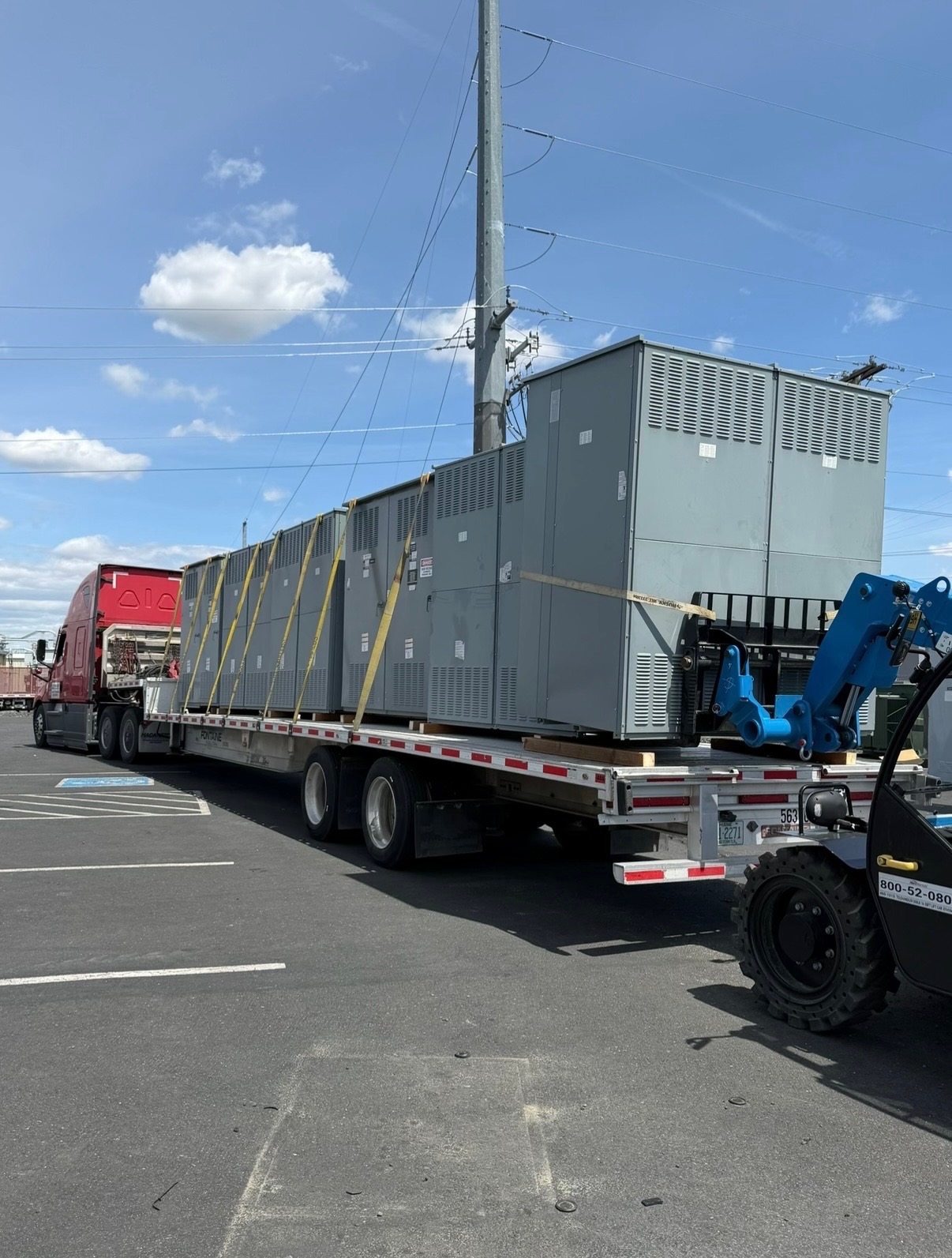
Use a simple reconciliation between records and what is safely visible, but do not enter restricted or unsafe spaces to perform one. If an asset list says six sections and another record lists five, provide both references and explain that the count is unresolved. Photos already on hand may help show lineup arrangement or exterior labels. They are helpful context, not a substitute for an accurate written description.
Identify equipment and condition without testing
Useful descriptions can include whether an item is switchgear, a switchboard, motor-control center, panelboard, busway, automatic transfer switch, breaker, or unit substation. Include manufacturer and identifying information only when it is available from existing records or safely visible surfaces. Note known condition in plain terms, such as documented as removed from service, incomplete, or of uncertain history. Avoid describing equipment as operational or tested unless reliable records support that statement.
Testing is not required to submit information for consideration. The business buys surplus, used, and decommissioned electrical equipment and considers all voltage classes, including equipment from closed data centers and power plants. These details describe the range considered, not a promise that a particular item will be purchased. A cash offer depends on the equipment information and review; neither an offer nor a purchase is guaranteed.
Make the inquiry useful while preserving unknowns
A concise inquiry can state the equipment type, known quantity, location, ownership or authority to represent the owner, and available rating information. Add photographs or records only if they are already accessible to you. For each missing value, write “unknown” or “not available” rather than estimating. If the equipment remains installed or operating, say so based on known information; there is no need to approach it or alter its condition to continue the discussion.
This approach is especially useful when records are incomplete or when a facility has equipment from multiple projects. A clear list of confirmed facts and open questions lets the buyer assess what may warrant further review without treating uncertainty as a defect or a verified specification. Do not delay an inquiry solely because one label, count, or condition detail is unavailable.
Clarify payment and handling responsibilities
For equipment that is purchased, payment is upfront, testing is not required, and freight is covered. The buyer handles crane, rigging, disconnects, loading, freight, and hauling for purchased equipment. The seller does not perform or arrange those operations. These terms apply to a purchase, not to every inquiry, and they do not guarantee an offer, a purchase, a value, or a particular schedule.
Before proceeding, confirm which listed assets are included in any proposed transaction and which details remain unresolved. Keep the exchange grounded in records and safely obtained observations. That gives an authorized seller in Garrett a practical way to present surplus equipment accurately while leaving technical unknowns identified as unknown and leaving handling responsibilities with the buyer if a purchase occurs.