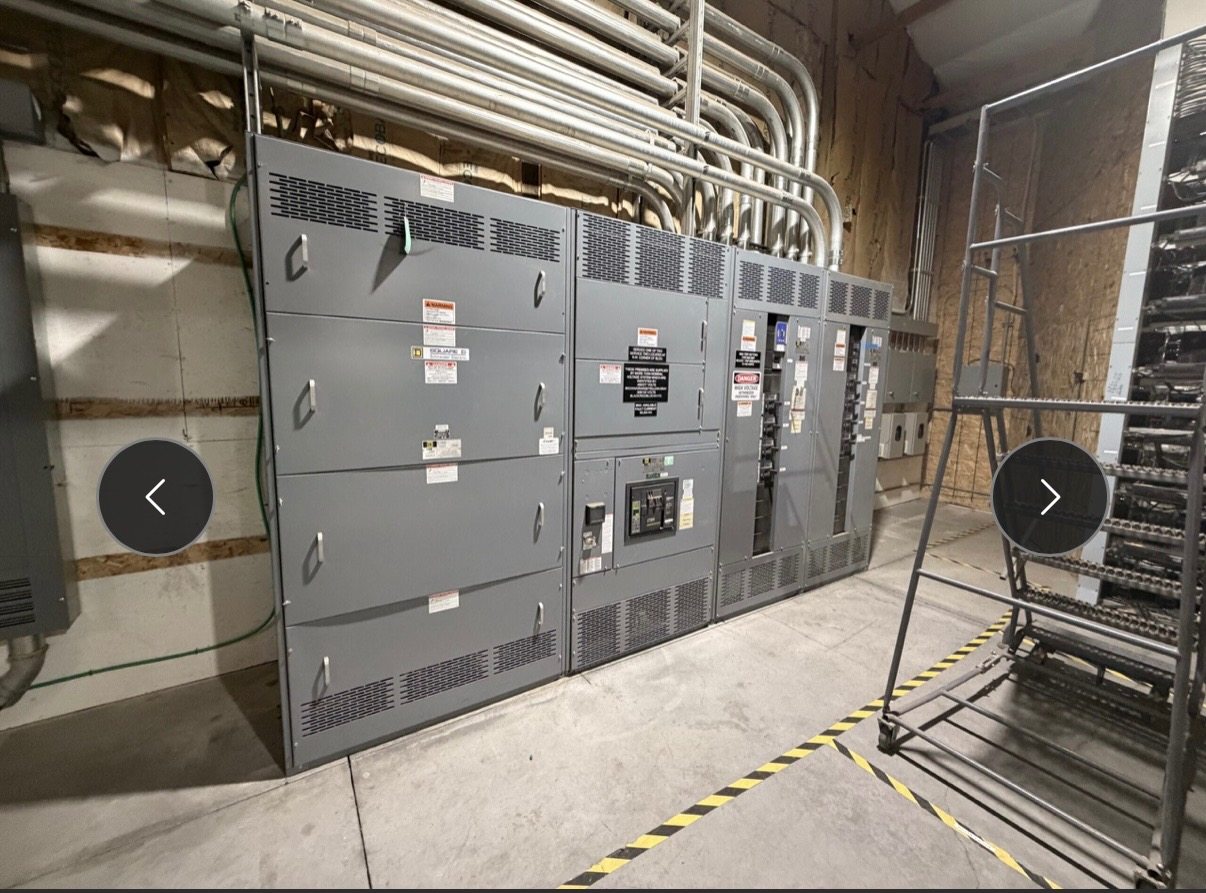
Start with the project change, not an assumption about value
When a construction project changes scope, switchgear may be left unused, partially installed, or no longer suited to the revised plan. That does not automatically make it unsellable, but the details matter. A buyer needs to understand what equipment is actually available, how it relates to the original project, and whether the sections and paperwork describe the same configuration.
If you are an owner, facility representative, contractor, or otherwise authorized to discuss the equipment, begin with what is already known: the project location, who owns the gear, what has changed, and whether the equipment is unused, used, or decommissioned. You can ask about equipment that remains installed or operating based on information already available. Do not approach or enter an unsafe area to gather details.
Describe sections as they exist, not as a complete lineup
Switchgear from a revised project may include several sections intended to work together, as well as sections that were never installed or connected to the project. Describe the available pieces individually where possible. Note whether they are a complete lineup, a partial lineup, spare sections, or equipment whose relationship to the original design is uncertain. Avoid presenting a partial group as a complete assembly unless that is verified.
Any known gaps or changes are useful context. For example, the plans may have specified additional sections that were never ordered, or the project may have retained only part of the original scope. If you do not know whether a section is compatible with the others, say so rather than guessing. The equipment can still be evaluated on the information available.
Share identification details only when safely accessible
Exterior nameplate information, existing equipment schedules, project documents, and photographs can help identify what is being discussed. You may share details already available to you, such as manufacturer information shown on an accessible exterior label, the section designations, voltage ratings, and any known condition. Do not open, operate, or test equipment to find missing information, and do not enter an unsafe area for a photo or label.
A rating is not proof of the voltage currently present in equipment. It describes a stated equipment characteristic; it does not establish live conditions. If a label is unclear, a document conflicts with another record, or a detail has not been verified, identify that uncertainty plainly. A buyer can consider incomplete information without asking you to expose yourself to risk.
Keep project paperwork with the equipment description
Available paperwork may clarify what was specified, delivered, revised, or left unused. Relevant records can include equipment schedules, drawings, submittal documents, packing records, and notes showing project changes. Share only records you are authorized to provide. If a document describes the original scope but not the final configuration, explain that distinction so it is not mistaken for confirmation of what is present now.
Paperwork is helpful, but it need not be perfect or complete before an initial inquiry. A clear summary of which records exist—and which details remain unknown—can prevent confusion. If equipment labels and project documents appear to disagree, point out the discrepancy rather than choosing one version without support.
Understand what an evaluation does and does not promise
The buyer considers surplus, used, and decommissioned switchgear across all voltage classes, including equipment from changed construction projects. A seller does not have to test equipment to ask about a possible purchase. Share known condition and history, such as whether equipment is unused or whether there is documented prior use, while distinguishing those facts from assumptions.
An inquiry may lead to a cash offer, but neither an offer nor a purchase is guaranteed. Value and interest depend on the particular equipment and the information available; no minimum value or outcome should be presumed. The business buys equipment rather than selling switchgear, so an inquiry is about whether the surplus may be purchased, not about obtaining replacement gear.
Clarify handling responsibilities before arranging site work
For equipment that is purchased, the buyer handles disconnects, crane and rigging arrangements, loading, freight, and hauling, and covers freight. The seller should not disconnect, move, lift, load, ship, or haul the equipment. Do not arrange or perform those tasks on the buyer’s behalf. Never touch energized equipment.
Sellers must not open or operate equipment, approach energized equipment, or enter unsafe areas. If equipment is installed or operating, provide only information you already have and let the buyer discuss the potential purchase without asking you to make the equipment safe. These boundaries apply whether the project is in Knox or elsewhere in Indiana.
Make the initial conversation easy to review
A concise account of the project change, the sections available, their known status, and the paperwork on hand gives a buyer a practical starting point. Include the location and ownership information if available, and share safely accessible photos or records when appropriate. Do not delay an inquiry merely because a detail is missing; identify what is known, what is uncertain, and what cannot safely be accessed.
If a purchase proceeds, payment is made upfront, and testing is not required. Those terms do not guarantee that the equipment will be purchased. A careful, accurate description helps establish whether the unused sections and associated records warrant further discussion while keeping responsibility for equipment handling with the buyer.