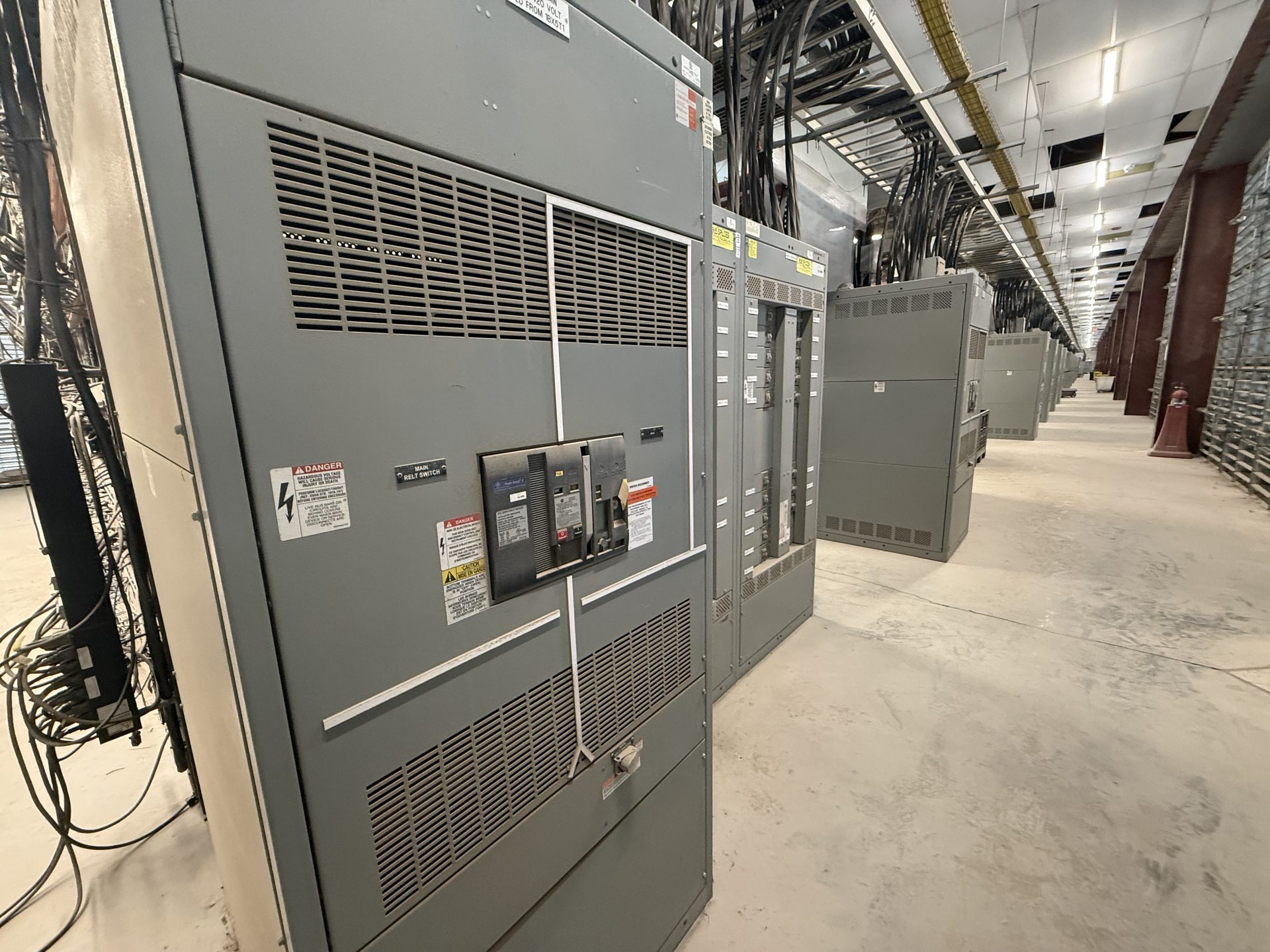
Start With What Is Known About the Switchgear
An older switchgear lot can still be worth discussing when its service history is incomplete. A missing maintenance file or uncertain operating date does not have to be replaced with a guess. For an owner or authorized seller in Hartford City, Indiana, the useful first step is to describe what is actually known and clearly separate it from what is uncertain.
For example, you might know that equipment came from a facility closure but not have records showing when it was last in service. You can say that directly. If the reason for removal, operating status, or prior use is unknown, identify it as unknown rather than presenting an assumption as a verified fact. This helps a buyer assess the lot without treating incomplete documentation as a condition report.
Use Existing Records and Safely Available Details
Information already on hand may include an equipment list, prior inventory, service paperwork, project notes, or photographs taken before the equipment was set aside. Safely accessible exterior nameplate details can also help identify the equipment. Share what is available; there is no need to obtain a detail that cannot be accessed safely or to create a complete record before making an inquiry.
When describing a rating, copy the label information as it appears if it is already visible from a safe location. A stated voltage rating describes equipment design information; it does not establish the voltage present now or prove that the equipment is energized, de-energized, or in working condition. If a label is unclear or unavailable, say so instead of inferring the rating from appearance or memory.
Photographs Can Clarify a Lot Without Testing
Existing photographs may show the exterior, visible identification plates, configuration, or how pieces were grouped in an inventory. They can provide useful context when operating history is sparse, but they are not a substitute for a test or a guarantee of internal condition. Describe the images accurately, including if they are old, incomplete, or do not show every item in the lot.
Testing is not required to inquire about a sale. Do not open, operate, or approach energized equipment to gather information, and do not enter an unsafe area for a photograph or label. Never touch energized equipment. If the switchgear is still installed or operating, you may inquire using information already available to you without disturbing it or seeking access to it.
Describe Condition Without Overstating It
Useful condition notes distinguish observations from conclusions. If records indicate that a unit was removed during a renovation, report that source and the known date or approximate period, if available. If you have no verified information about its operating performance, state that you cannot confirm it. Avoid calling equipment operational, tested, complete, or ready for service unless reliable information supports that description.
Likewise, mention known concerns in plain terms, such as missing records or an uncertain storage history, without speculating about damage you cannot verify. The aim is not to diagnose the equipment from a distance. Clear limits on what is known let the buyer evaluate a possible purchase on the information available and ask relevant follow-up questions.
Explain the Scope of the Lot and the Sale
Identify the equipment as specifically as your existing records allow: switchgear, associated breakers, or other items included in the lot. If the inventory combines multiple sections or includes equipment from more than one source, explain that organization where known. The buyer considers all voltage classes and equipment from closed data centers and power plants, but that does not mean every lot will receive an offer or be purchased.
The business buys surplus, used, and decommissioned electrical equipment; it does not sell equipment to the inquiring owner. You can request a cash offer by sharing available details, photographs, location, ownership information, and known condition. An offer and a purchase are not guaranteed. Providing an honest account of gaps in the record is more useful than trying to make an older lot sound more certain than it is.
Clarify Handling and Payment Before Proceeding
For equipment that is purchased, payment is made upfront, testing is not required, and freight is covered. The buyer handles disconnects, crane and rigging work, loading, freight, and hauling for purchased equipment. The seller does not perform or arrange those operations. These terms apply to a completed purchase, not simply to an inquiry or a request for an offer.
When considering a lot in Hartford City, share the information you can safely provide and ask how the buyer would assess the next step. Do not open, test, energize, disconnect, move, lift, rig, load, ship, or haul the equipment to support an inquiry. If its history is incomplete, say exactly where the record ends; accurate uncertainty is more helpful than an unsupported assurance.