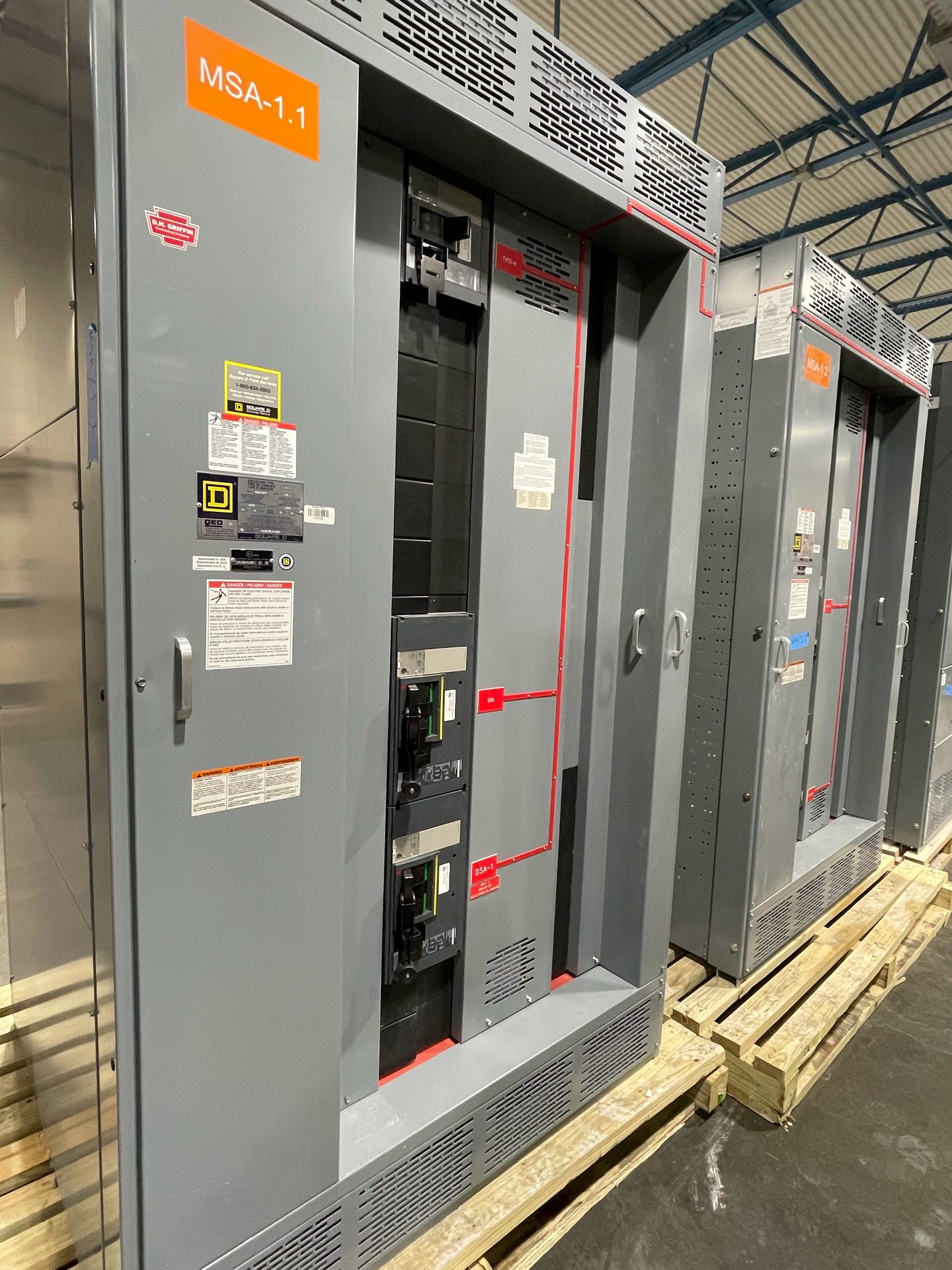
Describe the protective relay panels as they stand
If you are responsible for surplus electrical equipment in Indiana, a useful first step is to identify which protective relay panels may be available and what is known about them. Share an existing equipment inventory, project records, or other information you can access without entering an unsafe area. A panel’s purpose, location, and relationship to other equipment can help distinguish it from a general control cabinet or a larger switchgear assembly.
You can ask about a panel that remains installed or is still operating using information already available. Do not open, operate, approach energized equipment, or enter an unsafe area to gather details. Never touch energized equipment. If a label or other record is inaccessible, say that it is unavailable rather than trying to obtain it.
Make the inventory useful without overclaiming
For each panel, provide any known quantity, general description, location within the facility, and ownership information. Existing photographs may help show the exterior and visible relay labels, provided they are already safely accessible. A clear description of what is known is more useful than a guess about a panel’s internal contents or operating condition.
Relay labels can help identify the devices present, but a visible label does not by itself confirm that a relay is functional, that its settings are current, or that it remains connected as originally designed. Separate recorded facts from uncertainty. For example, identify a rating shown on a label as a marked rating, not as proof of the voltage currently present at the equipment. The buyer considers equipment across voltage classes, so an uncertain or unfamiliar rating is not a reason to omit a panel from an inquiry.
Separate the panel from wiring that stays at the site
State explicitly what you understand to be included in the potential sale and what is expected to remain behind. A protective relay panel may be associated with field wiring, conduit, cable, terminal points, or connections to other equipment. Those associated items should not be assumed to transfer with the panel. If project documents or an existing scope description clarify the boundary, share that information; if the boundary is unresolved, identify it as unresolved.
This distinction supports a clearer discussion of the equipment being considered without asking facility personnel to inspect connections or determine a boundary in an unsafe area. The buyer handles disconnects for equipment it purchases. Sellers should not disconnect anything or arrange for that work as a condition of making an inquiry.
Explain condition through records, not a new test
Share known condition details only when they are already available: for example, whether the panel is described in existing records as surplus, removed from service, or associated with a decommissioned facility. If the condition is unknown, say so. Do not open or test a panel to answer questions, and do not energize equipment to demonstrate its operation. Testing is not required to ask about a sale.
Useful supporting material may include an existing equipment schedule, visible exterior photographs, or records that identify the panel’s role. These are helpful when available, not prerequisites. A buyer can review the information provided and determine whether to make a cash offer; neither an offer nor a purchase is guaranteed.
Clarify what happens if the equipment is purchased
For purchased equipment, the buyer handles the crane, rigging, disconnects, loading, freight, and hauling, and covers freight. The seller does not perform or arrange those operations. This is a division of responsibilities, not a request for facility staff to prepare, move, lift, or ship a panel. Do not enter unsafe areas or undertake equipment handling to advance a possible sale.
If a purchase is agreed, upfront payment is part of the stated purchase arrangement. Confirm the specific equipment included and the agreed transaction details before treating a panel as sold. An inquiry alone does not commit either party to a purchase.
Prepare a clear inquiry for an Indiana buyer
When contacting an authorized buyer, explain that the equipment is a protective relay panel and provide the inventory or safely accessible information you already have. Include visible relay labels where available, the panel’s known location, ownership, known condition, and a plain statement about which equipment is included and which site wiring is expected to remain. You need not fill gaps by entering restricted areas, opening equipment, or commissioning a test.
The business buys surplus, used, and decommissioned electrical equipment, including protective relay panels, across all voltage classes. It does not sell panels. Clear records and an explicit scope help the buyer assess what is being offered while keeping unknown details identified as unknown and leaving equipment handling to the buyer if a purchase proceeds.