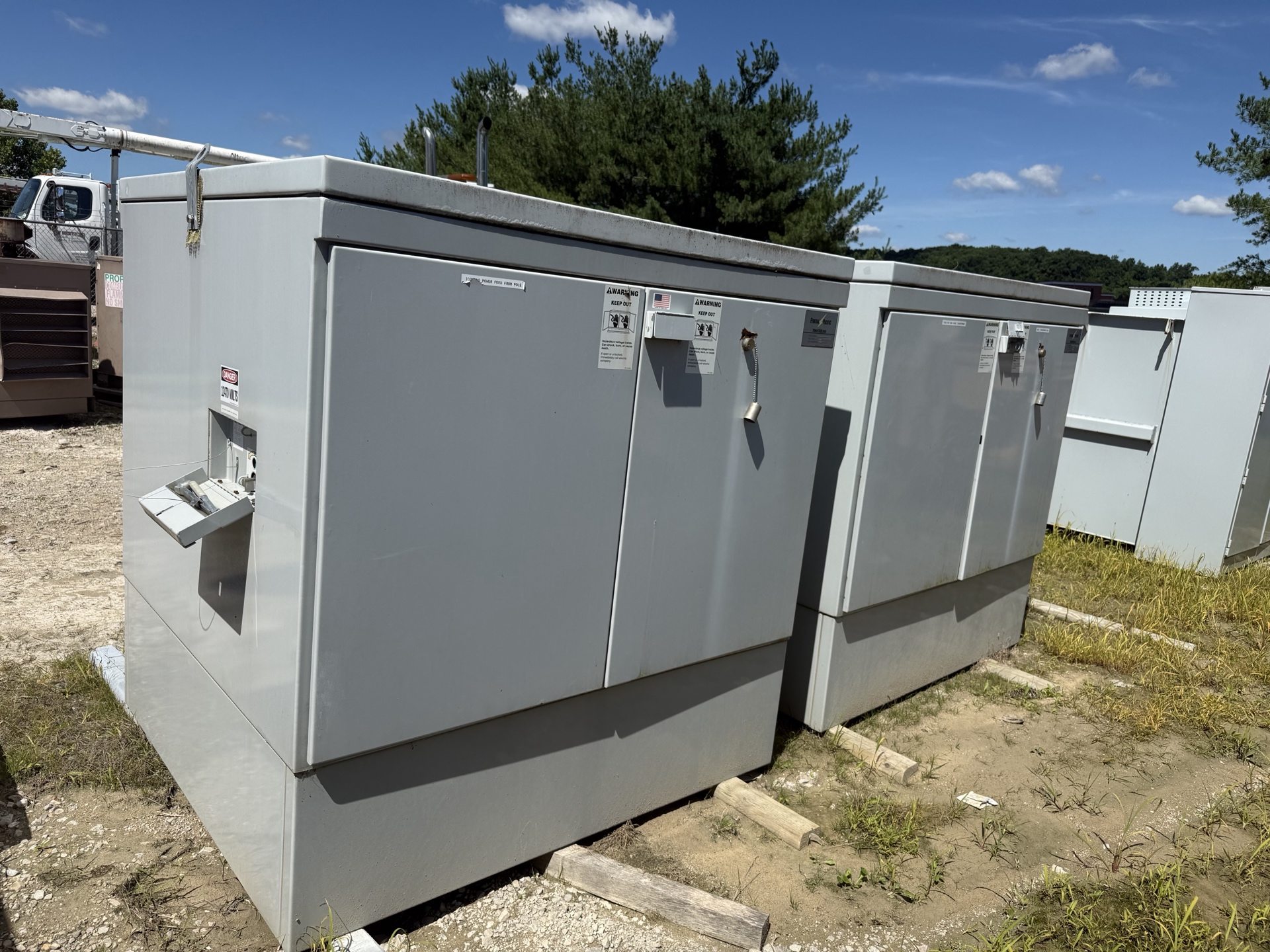
Identify the Unit Before Describing It
In a data center or other facility, “PDU” can refer to equipment that looks quite different from a panelboard or an uninterruptible power supply (UPS) cabinet. A floor-standing power distribution unit may transform or distribute power to downstream equipment, while a panelboard organizes branch circuits in a cabinet, and a UPS cabinet is associated with backup power. Those broad distinctions are useful starting points, not proof of a particular unit’s function. Names used on site can vary, and equipment may be part of a larger electrical arrangement.
When considering surplus equipment in Indiana, describe what the unit is called in existing records and what can be seen from a safe, accessible exterior view. If the label, drawing, or inventory identifies it as a PDU, include that wording. If its identity is uncertain, say so rather than assigning a function based on appearance. The buyer purchases used, surplus, and decommissioned electrical equipment; it does not sell equipment to the person making an inquiry.
Separate PDUs from Nearby Cabinets
Floor-standing PDUs may be positioned near UPS cabinets, panelboards, switchboards, or information-technology loads, so location alone does not establish what a cabinet does. A UPS may have a different role from a distribution unit even when the two are installed in the same room or grouped together. A panelboard may also be part of the same power path without being a PDU. Existing equipment schedules, one-line drawings, asset records, or exterior labels can help clarify the distinction without requiring a seller to inspect inaccessible information.
Share any mismatch between records and visible markings. For example, an asset list might call a unit a PDU while a readable exterior nameplate uses another description. Report both details and explain which source each came from. This gives the buyer a more accurate basis for review than presenting an uncertain identification as verified.
Provide Quantity and Location Clearly
Start with the number of units that may be available and the facility or general site where they are located. If units are spread across several rooms, buildings, or areas, distinguish those groups in the description. A simple count by location can prevent confusion between one PDU and nearby UPS or panelboard cabinets. If the quantity is not yet confirmed, identify it as an estimate rather than a final count.
Location information is useful for understanding the equipment and considering a potential purchase, but sellers should share only details they are authorized to provide. You can identify the relevant facility and describe where the units are situated using information already available. Do not enter a restricted or unsafe area to collect details. Sellers may inquire about equipment that remains installed or operating; it need not be taken out of service before an inquiry.
Report Visible Ratings Without Guessing
If a nameplate or other marking is safely visible from an accessible exterior position, share the wording or a clear photo if one is already available. Useful details may include the stated voltage, current, phase, frequency, manufacturer identification, catalog or serial information, and any listed input or output ratings. Not every unit will have all of these details readily available, and no single field needs to be treated as a substitute for the full equipment description.
A printed voltage rating describes the equipment’s stated rating; it does not establish the voltage present at the site at this moment. Keep those concepts separate. If a marking is obscured, missing, or difficult to read, say that it is unknown or unclear. Do not open a cabinet, operate equipment, or approach an energized unit to obtain information. Never touch energized equipment.
Explain Condition and Available Records
Describe condition in terms of what is already known, such as whether the unit is listed as surplus, decommissioned, or still in service. If a record notes a missing component, visible exterior damage, or an unresolved identification question, share that fact and its source. Avoid making claims about internal condition or performance when those points have not been verified. Equipment testing is not required for an inquiry, and sellers should not test equipment to support one.
Photographs, inventory excerpts, and facility records can help communicate what is being considered, provided they are already available and safe to share. They are aids, not a requirement to obtain inaccessible information. A clear distinction between documented facts, visible observations, and uncertainty helps the buyer assess whether to make a cash offer without overstating what is known.
Understand the Purchase and Handling Arrangement
The business considers surplus, used, and decommissioned power distribution units along with other electrical equipment, across voltage classes. A potential purchase is not guaranteed, and neither an offer nor a particular value should be assumed before the equipment is reviewed. For equipment it purchases, payment is made upfront, testing is not required, and freight is covered. These terms describe the stated purchase arrangement, not a promise that every unit will be accepted.
For purchased equipment, the buyer handles disconnects, crane and rigging work, loading, freight, and hauling. The seller does not perform or arrange those operations. Do not attempt to prepare, move, or handle a unit for an inquiry. Providing an accurate count, known location, visible ratings, and a candid account of what remains uncertain is a useful way for an authorized Indiana seller to begin a discussion while leaving equipment handling to the buyer if a purchase proceeds.