Separate a visible brand label from the identity of the whole lot
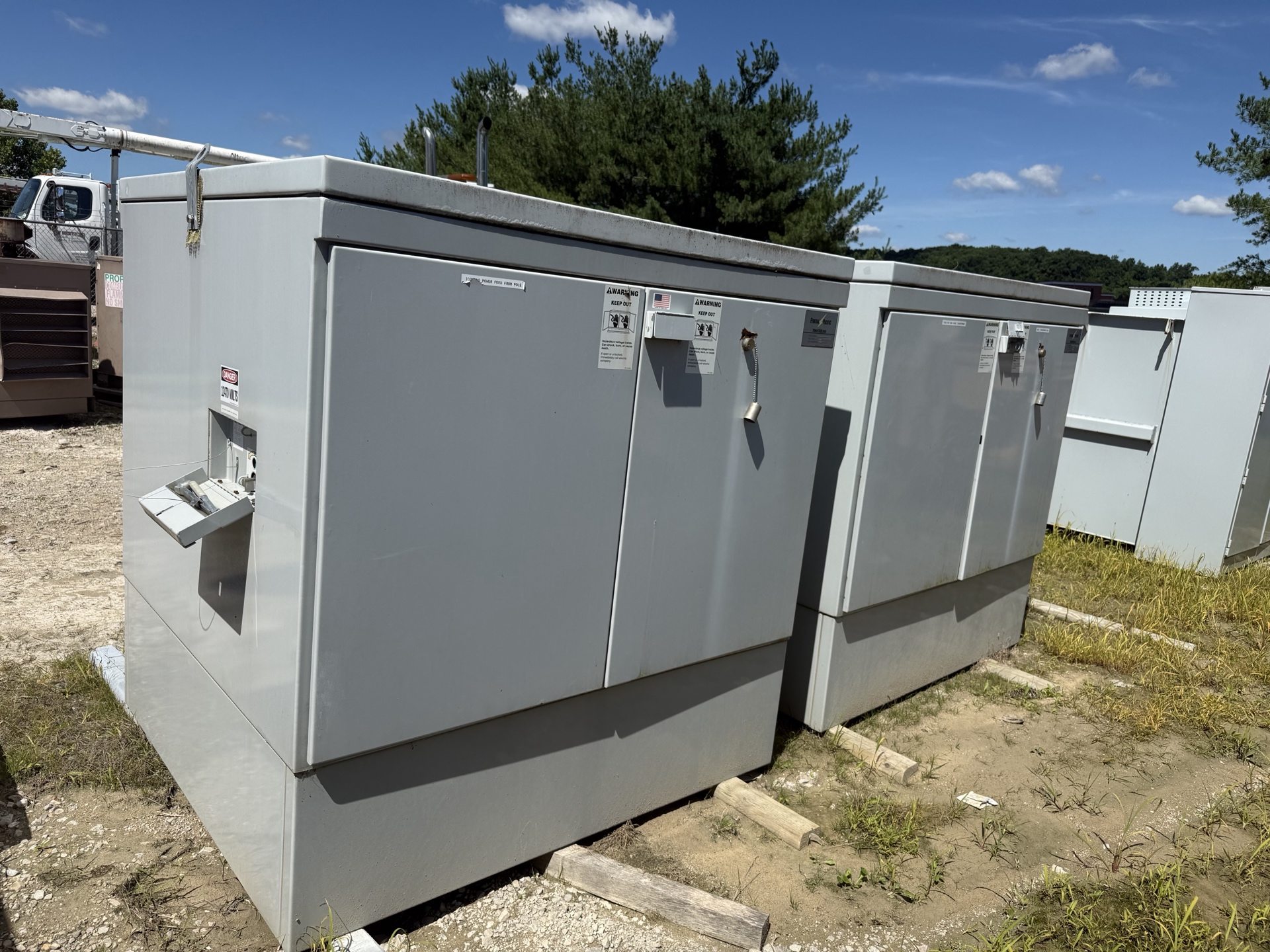
A mixed electrical-equipment lot may contain components bearing Mitsubishi Electric labels alongside equipment from other manufacturers. Start with what is actually visible: a label on a component can identify that component without establishing the manufacturer of the entire lineup, room, or connected system. A switchboard section, breaker, control component, and enclosure may have different identifying information. Describe each item according to the label you can already see, rather than assigning one brand to everything nearby.
This distinction makes an initial review more useful and helps avoid overstating what is known. If a lot includes clearly labeled Mitsubishi Electric equipment and other gear whose identity is uncertain, keep those descriptions separate. There is no need to resolve every unknown before making an inquiry.
Use accessible labels without seeking information in unsafe places
When available from a safe location, exterior nameplate details and photographs can help identify equipment. A seller can also share existing equipment lists, prior records, location, ownership information, and known condition. Do not open equipment, operate it, approach energized equipment, or enter an unsafe area to obtain a label or picture. Never touch energized equipment.
If a label is not visible from where you can safely remain, simply say that its details are unavailable. Do not make access to every nameplate a condition of beginning a discussion. Information already on hand is enough to explain that a lot may include Mitsubishi Electric-labeled distribution components and to identify which items are clearly labeled, uncertain, or attributed to another manufacturer.
Describe the component, not an assumed model or configuration
Record wording only when it is already legible and safely accessible. A manufacturer name, equipment type, serial or catalog information, and stated electrical ratings may help distinguish one item from another, but none should be guessed from appearance. Avoid assigning a model, product family, or technical capability based on a similar-looking component or a label on adjacent equipment. If text is incomplete or unclear, describe it as unclear instead of filling in the gap.
Equipment labels can state ratings; a rating is not confirmation of the voltage present at the equipment now. Likewise, an old record or a visible label does not independently verify current condition or operating status. Keep confirmed label details separate from estimates, historical information, and unknowns. This careful wording is especially helpful when a lot contains equipment that has been used, stored, or decommissioned.
Make a mixed-lot description easy to evaluate
Group items by the information you already have: Mitsubishi Electric-labeled components, equipment visibly identified as another brand, and items whose maker is uncertain. Where practical, describe the equipment type and quantity, the facility or area it came from, and whether it is surplus, used, or decommissioned. Existing inventories and photographs can help convey the scope without requiring you to inspect inaccessible equipment.
Include known condition in plain terms, such as whether records indicate prior use or whether condition is simply unknown. Do not present an assumption as an inspection finding. Clear distinctions let an evaluator consider the branded components without treating unrelated items as Mitsubishi Electric equipment, and without excluding other equipment from consideration just because its label is unavailable.
Understand the purchase process and handling responsibilities
The business buys surplus, used, and decommissioned electrical equipment; it does not sell equipment or represent a manufacturer affiliation. It considers switchgear, switchboards, motor-control centers, panelboards, busway, automatic transfer switches, breakers, and unit substations across voltage classes, including equipment from closed data centers and power plants. A seller may provide the available information to request a cash offer, but neither an offer nor a purchase is guaranteed.
Testing is not required from the seller. For equipment purchased, payment is upfront, and freight is covered. The buyer handles disconnects, crane and rigging work, loading, freight, and hauling. The seller does not perform or arrange those operations. These responsibilities are relevant whether the lot is entirely Mitsubishi Electric-labeled or combines several manufacturers and unidentified components.
Keep the inquiry factual and safety-conscious
You may inquire about equipment that remains installed or operating using information already available; do not approach it or take action to obtain more details. Share what you can safely confirm, identify uncertainties, and explain whether the lot includes other brands. That gives the buyer a practical starting point while avoiding unsupported model claims, confusion between ratings and live voltage, and unnecessary exposure to unsafe areas.