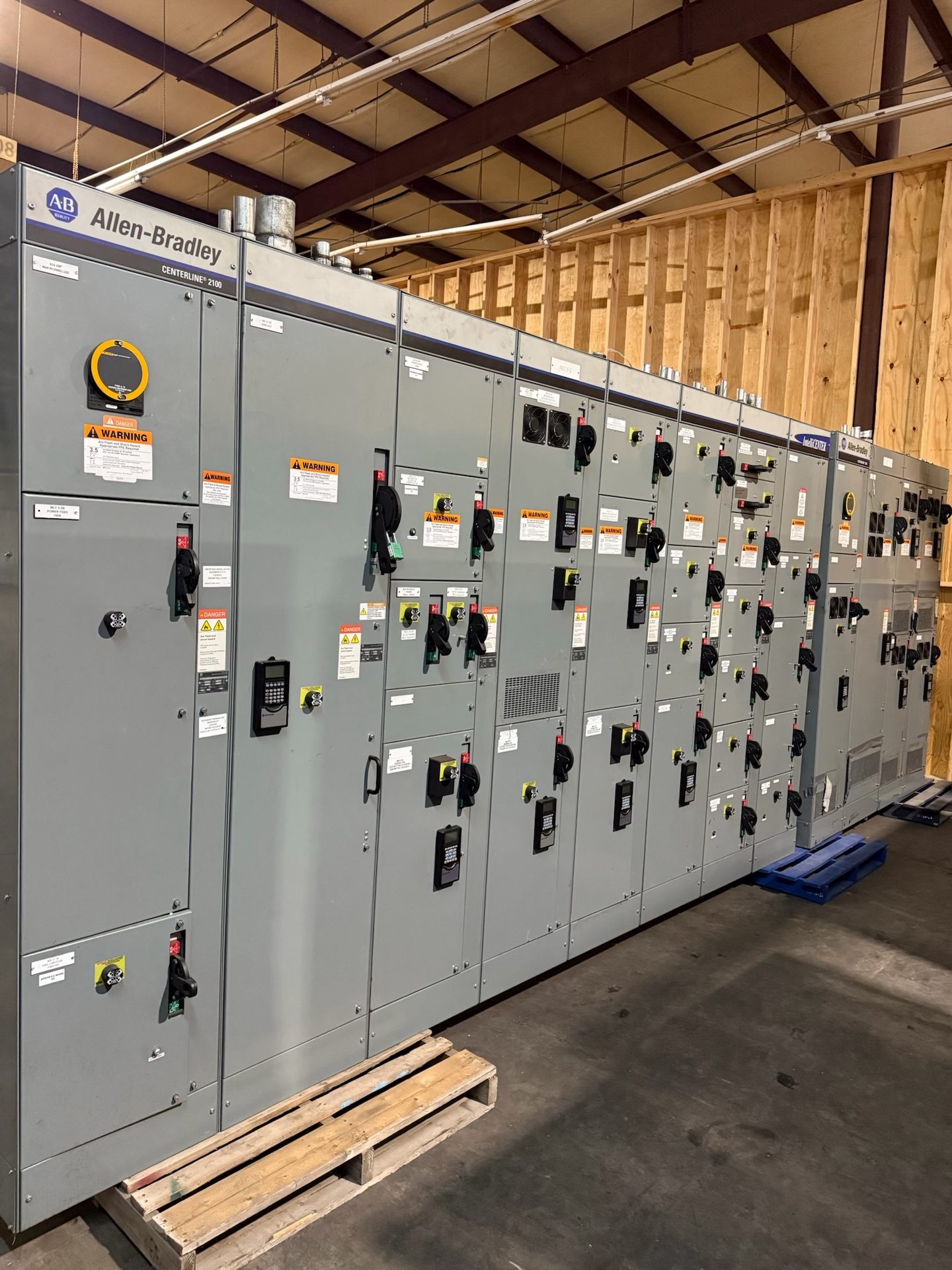
Start with what is already known about the switchgear
If you are responsible for medium-voltage switchgear in Tippecanoe County, begin an inquiry with information you can access safely without approaching or disturbing the equipment. Useful details may include the site location, equipment ownership, manufacturer, visible nameplate voltage, number of sections, and any condition information already documented. An equipment list or existing photographs can also help describe what is present.
These details help an authorized buyer understand what may be considered, but they are not a checklist you must complete. If a label is obscured, a section count is uncertain, or records are incomplete, say so rather than filling gaps with guesses. A question about equipment that remains installed or in operation can be made using information already available.
Read voltage markings as ratings, not live measurements
A safely visible nameplate may identify a rated voltage, which describes the equipment’s stated design or rating information. That marking is not proof of the voltage currently present at the site. Do not infer live conditions from the label, and do not try to verify a rating by approaching or interacting with the gear. Never touch energized equipment.
If the marking cannot be read or its meaning is unclear, report the uncertainty plainly. For example, distinguish “nameplate appears to show a rating” from “rating not confirmed.” The buyer can consider the information as described; the seller does not need to investigate an inaccessible label or establish technical facts that are not already known.
Describe manufacturer and section count carefully
The manufacturer name, if safely visible or recorded in existing documents, can help identify the switchgear. Share the spelling as it appears in the available information, and note when it is uncertain. Do not assume that a manufacturer name alone establishes the age, condition, compatibility, or value of the equipment.
Section count provides a basic sense of the equipment’s extent. Use a count from a reliable existing inventory or from a view that is safely accessible. If different records disagree, mention the discrepancy rather than choosing one without verification. Do not enter an unsafe area or approach the equipment to obtain a closer look.
Give condition information without testing the gear
Existing maintenance records, decommissioning documents, or staff observations may provide useful context about known condition. You can share those records or describe what is already known, while separating documented facts from estimates. If condition is unknown, say so. No testing is required to ask about a possible purchase.
A buyer may consider used, surplus, or decommissioned equipment, including equipment associated with a facility that is still operating. An inquiry is not a request for the seller to open, operate, test, or make the switchgear safe. Sellers must never open, operate, or approach energized equipment, and must not enter unsafe areas.
Understand the buyer’s role in a purchase
The business buys electrical equipment; it does not sell switchgear to the person making an inquiry. It considers equipment across voltage classes, including medium-voltage gear, and may review switchgear along with other surplus or decommissioned electrical equipment. Sharing basic facts allows the buyer to decide whether it wishes to make a cash offer. An offer or purchase is not guaranteed.
If equipment is purchased, payment is made upfront, testing is not required, and freight is covered. The buyer handles disconnects and the physical handling associated with the purchased equipment, including crane, rigging, loading, freight, and hauling. The seller should not undertake or arrange those tasks as part of the inquiry. Any purchase arrangements should be clarified with the buyer rather than assumed from a preliminary discussion.
Keep the inquiry accurate and limited to safe information
A concise description can identify the equipment as medium-voltage switchgear, give the Tippecanoe County site location, and state any safely visible manufacturer, nameplate voltage, section count, ownership, and known condition. Include existing photos or records only if they are already available and can be shared safely. If a detail is unavailable, mark it unknown instead of delaying the inquiry to obtain it.
Clear distinctions between visible information, documented information, and uncertainty help prevent a rating from being mistaken for a live measurement or an estimate from being treated as confirmed. You can ask whether the buyer wants any additional information, but do not put yourself or others at risk to collect it. The inquiry can begin with what is already known; the buyer can determine whether the equipment is of interest and discuss any potential purchase directly.