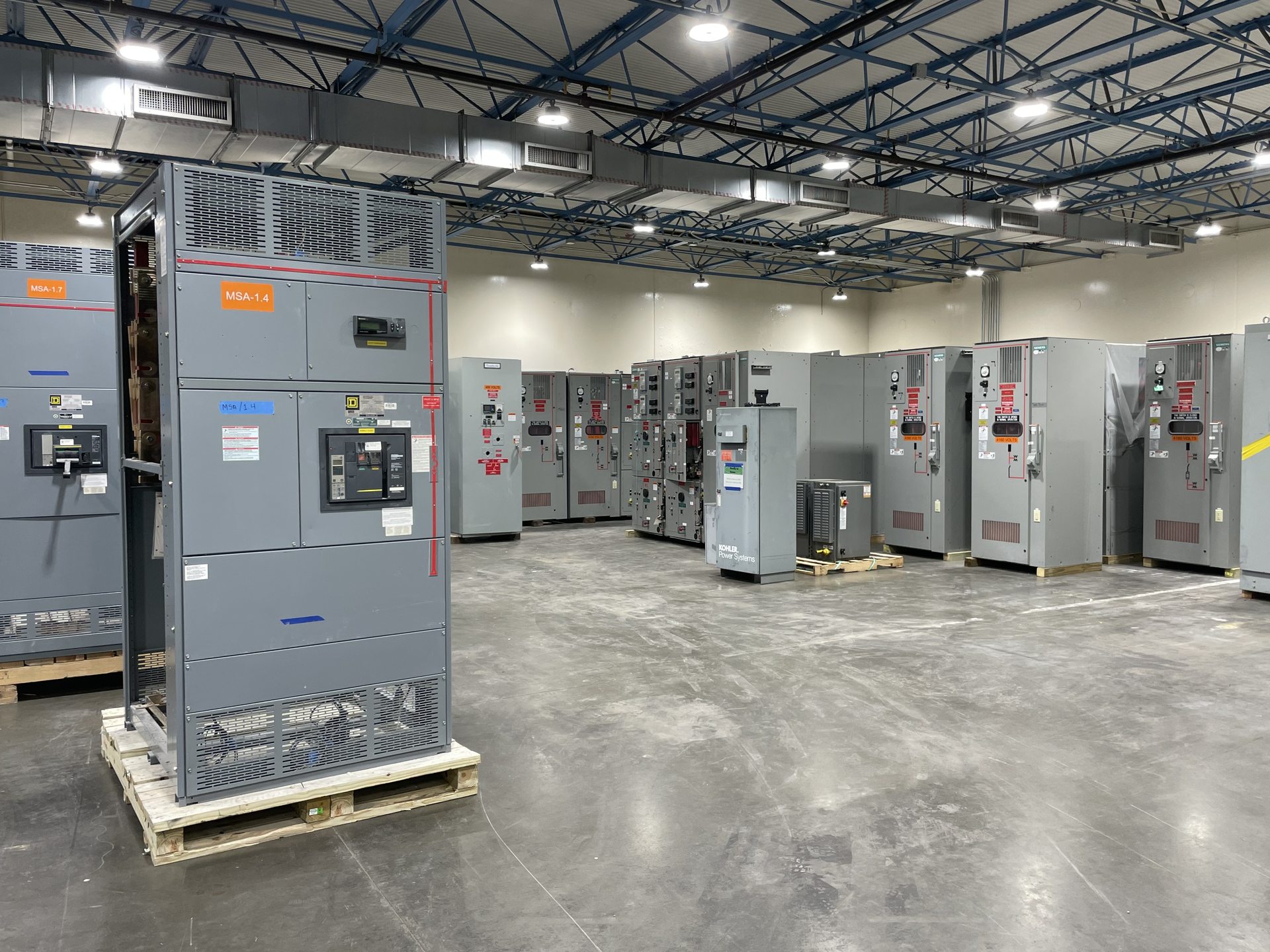
Start with the transfer switch’s status and ownership
If you own automatic transfer switches in Vanderburgh County and are considering a sale, begin with what you already know: whether each unit is installed, in storage, or part of equipment being decommissioned, and who is authorized to discuss its sale. A switch may still be installed or operating when you make an inquiry. You do not need to operate it, access restricted areas, or change its condition to begin a conversation.
Never touch energized equipment. Do not open, operate, or approach energized equipment, and do not enter an unsafe area to gather details. Information already available to you, such as existing records, an equipment list, or safely accessible exterior markings, can help describe the opportunity. If a detail cannot be obtained safely, say that it is unknown rather than trying to verify it yourself.
Describe the unit without confusing ratings and live conditions
Transfer-switch nameplates may identify a manufacturer, catalog or type designation, rated voltage, current, poles, enclosure, or other characteristics. Share only information you can already access safely. The stated voltage rating describes a design or equipment rating; it does not establish the voltage present at the switch now. Likewise, a label or record should not be treated as proof of present operating condition unless that has been verified through appropriate existing information.
If labels are incomplete, worn, or unavailable, explain that plainly. A safely accessible exterior photo or a copy of an existing inventory record may help identify a unit, but neither is a reason to approach equipment or enter an unsafe location. The buyer can consider available information without requiring you to test the switch or supply every technical detail.
Make quantity and configuration clear
Give an estimated count and, if known, distinguish separate switches from accessories, spare parts, or components recorded with them. If several units are included, clarify whether they are a matched group, different types, or simply equipment at the same site. This helps avoid treating a mixed inventory as a single identical lot when the available records suggest otherwise.
Uncertainty is useful to disclose. For example, you can state that an inventory shows four transfer switches but that the count has not been confirmed recently. If the equipment is part of a larger decommissioning project, identify which units are included in the proposed sale and which are not, based on information already available. No physical inspection by the seller is needed to make that distinction.
Share the planned availability window
Timing can matter when a switch remains in service, is associated with a planned facility closure, or is expected to become available as part of a project. Describe the anticipated window as an estimate when it is not confirmed. An approximate month, project phase, or known scheduling constraint can help the buyer assess whether the opportunity fits, without asking you to change the switch’s operating status.
If plans shift, update the information rather than presenting an earlier estimate as a commitment. A planned availability window is not the same as an agreed purchase date. Any purchase depends on the equipment and circumstances being reviewed, so do not assume an offer, sale, or particular timeline is guaranteed.
Explain what is known about condition and records
Briefly separate observed facts from reports or assumptions. Existing maintenance notes, prior inspection records, or a known history of removal may be relevant if they are available to you. You can also describe visible exterior condition only when it is safely accessible. Avoid conclusions about internal condition, performance, or readiness if those facts have not been established.
The business considers automatic transfer switches across all voltage classes and buys surplus, used, and decommissioned electrical equipment. Sellers are not required to test equipment for consideration. That distinction is practical for a facility team: an inquiry can be based on available records and safe observations, not on a seller performing electrical work or arranging a test.
Understand the proposed transaction responsibilities
The business buys equipment rather than selling transfer switches. You may provide the available description and request a cash offer, but an offer or purchase is not guaranteed. For equipment that is purchased, payment is made upfront; the specific transaction remains subject to review and agreement. Freight is covered for purchased equipment, though that does not mean the seller should prepare or transport the switch.
For a purchase, the buyer handles disconnects, crane and rigging, loading, freight, and hauling. The seller does not perform or arrange those operations. Do not disconnect, move, lift, load, ship, or haul equipment as part of making an inquiry. Sharing the location and information already on hand allows the buyer to consider the opportunity while keeping equipment handling within the buyer’s stated responsibilities.
Prepare a concise inquiry from existing information
A useful inquiry can identify the Vanderburgh County location, ownership or authority to discuss the equipment, estimated quantity, safely available exterior label details, known condition, and anticipated availability window. Note any missing or uncertain information directly. You can also say whether the switches are installed, stored, or associated with a planned closure, without approaching or operating them to confirm a status.
Keeping the description factual helps the buyer assess whether to proceed, while protecting the difference between a documented rating and present conditions. No single detail guarantees a purchase. Share what is already available, leave inaccessible information unverified, and do not enter an unsafe area or interact with energized equipment to complete the description.