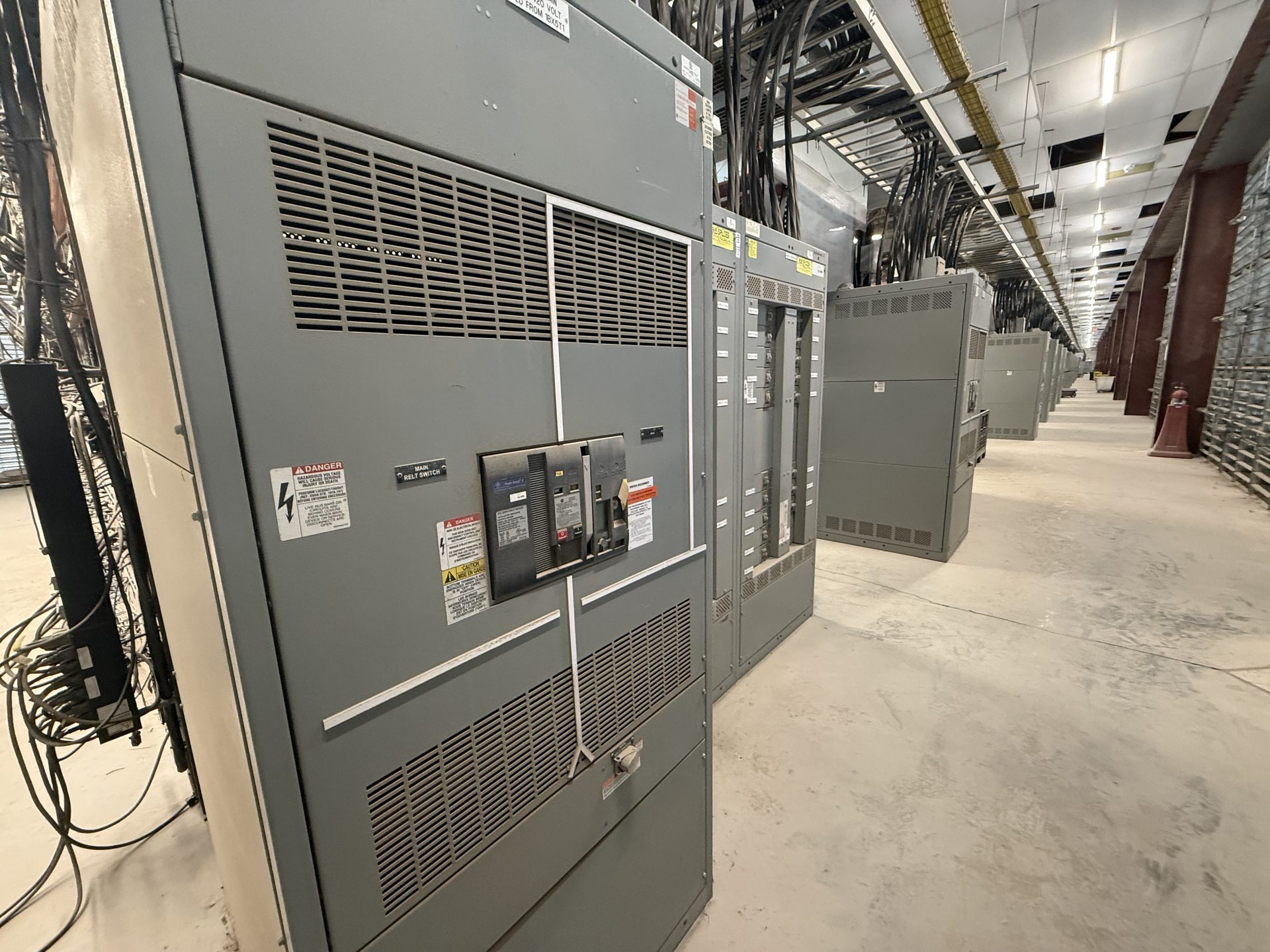
Identify the switchgear, not just the generator package
A generator installation can include several distinct assets: the generating unit, its switchgear, transfer equipment, controls, cables, and other accessories. If you are considering a sale in Porter County, describe the electrical equipment you want evaluated rather than referring only to “the generator.” Switchgear may be a separate assembly that controls or protects electrical circuits, while the generator itself produces power. A buyer needs to understand which item or group of items is actually being offered.
Start with what is known from existing records, equipment lists, or safely accessible exterior labels. You might identify a switchboard, breakers, an automatic transfer switch, a motor-control center, or another assembly associated with the generator. If the equipment is part of a larger package and the boundary is unclear, say so; do not guess that every nearby cabinet or accessory is included.
Separate the equipment boundary from the operating relationship
Generator-associated switchgear may be physically close to a generating unit or connected to it as part of a facility’s power arrangement. That relationship does not establish that the generator, controls, or every connected component belongs in the proposed sale. Clarify whether your inquiry concerns one identified assembly, several pieces of electrical equipment, or a broader group whose limits still need review.
Where records already distinguish equipment by asset number, panel designation, or location, those references can help describe the proposed group. Share only information available to you; inaccessible labels or records are not a reason to investigate in an unsafe area. If the ownership boundary is uncertain, describe the uncertainty rather than presenting it as a verified fact.
Use labels carefully when describing ratings
Existing exterior nameplate information can help identify a piece of gear, including its manufacturer, type, rating, or other identifying details. A nameplate rating is not the same thing as the voltage present at a particular moment. Do not state that equipment is live at its rated voltage based only on a label, and distinguish documented ratings from operating conditions you do not know.
Voltage class does not by itself determine whether equipment is relevant for review. The buyer considers equipment across voltage classes, including switchgear and related electrical assets from decommissioned facilities. When a rating is missing, hard to read, or unavailable without access to an unsafe area, simply note that limitation. Do not open equipment or attempt to test it to fill in a gap.
Make an inquiry without disturbing installed equipment
Equipment may still be installed or operating when an owner first asks about a possible sale. You can inquire using information already available, such as a known equipment list, ownership details, location, safely accessible exterior photographs, or a description of known condition. An initial conversation does not require you to make the equipment safe, change its operating status, or obtain information that you cannot safely access.
Never touch energized equipment. Sellers must never open, operate, or approach energized equipment, or enter unsafe areas. If the condition or status is unknown, say so plainly. A buyer can consider the available description without treating uncertainty as a confirmed technical fact.
Describe condition without arranging a test
Testing is not required for the buyer to consider surplus, used, or decommissioned equipment. If you already know that an assembly is incomplete, has been stored, or has a documented issue, include that information as context. Avoid converting an assumption into a finding; for example, an item that has not been tested should be described as untested, not as working or failed.
Photos can be useful when they are already available or can be taken from a safe position without approaching energized equipment or entering an unsafe area. They are optional information, not a reason to access the equipment. The buyer may review what is provided and decide whether to make a cash offer; an offer or purchase is not guaranteed.
Confirm what a purchase would cover
Before agreeing to a purchase, define the equipment included and separate it from the generator and accessories that are not part of the transaction. The buyer purchases surplus, used, and decommissioned electrical equipment; the business does not sell or install gear. Payment is upfront for equipment that is purchased, but neither a purchase nor a particular value is assured.
For purchased equipment, the buyer handles disconnects and the physical handling and transport arrangements, including crane, rigging, loading, freight, and hauling. Freight is covered for a purchase. The seller does not perform or arrange those operations. This division helps keep the discussion focused on identifying the equipment and establishing whether it is a fit for consideration, without asking facility personnel to move or prepare it.