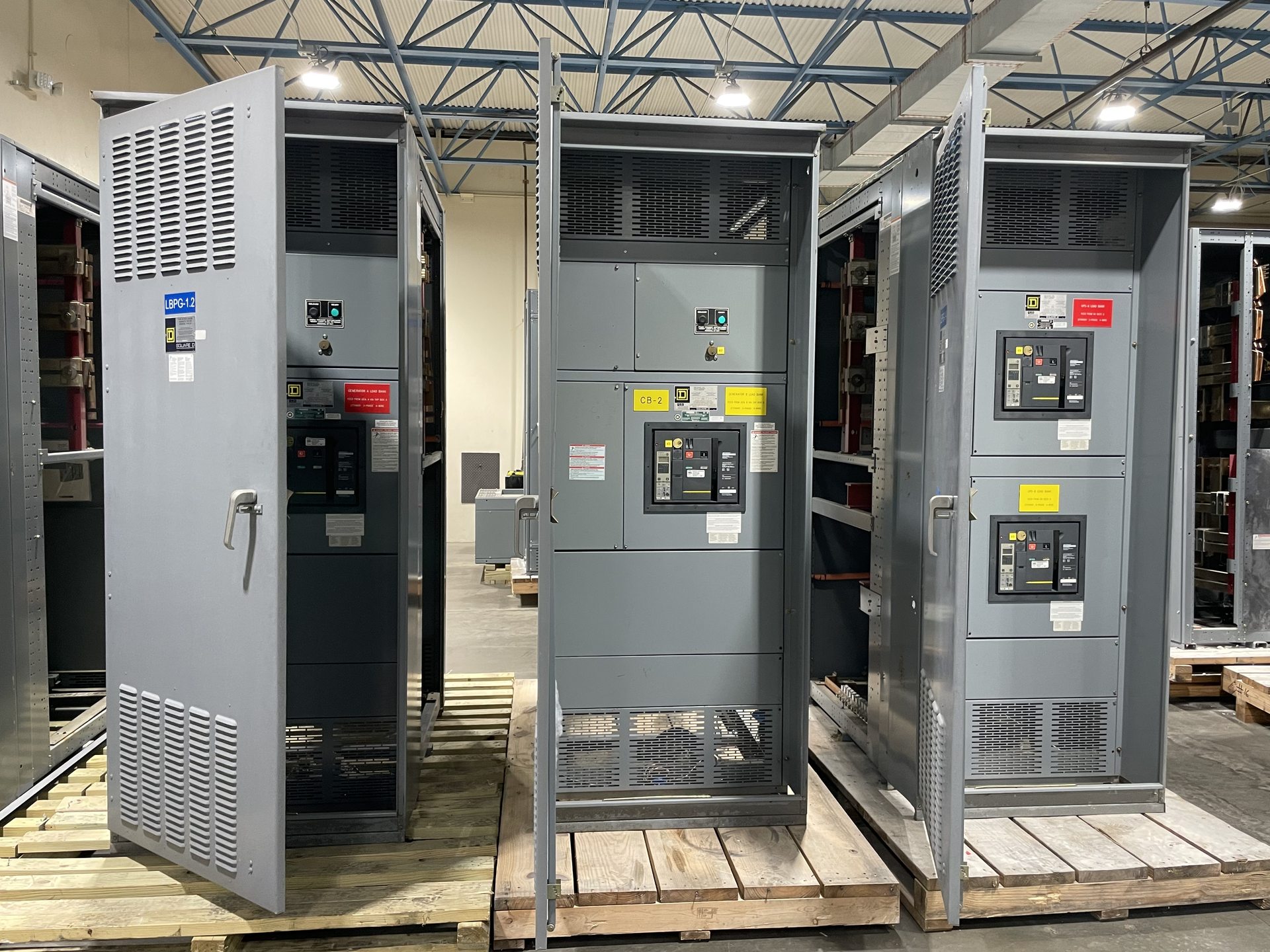
Start with ownership, not the equipment count
A factory closure can leave switchgear, motor-control centers and switchboards spread across production areas, utility rooms and expansions built at different times. Before requesting an offer, separate equipment the closing business owns from equipment that belongs to a landlord, utility, lender or another party. A cabinet’s location in the factory does not establish ownership, and a sale should not include assets that the seller lacks authority to transfer.
Use records already available, such as fixed-asset schedules, purchase documents, lease exhibits or closure inventories, to identify possible ownership questions. Mark uncertain items as unverified rather than treating them as confirmed company property. If responsibility is shared or unclear, note that in the inventory so the asset can be reviewed separately instead of being mixed into a group offered for sale.
Group assets by building area and system
Organize the inventory around recognizable locations: for example, a production building, a utility area or a particular floor. Within each area, distinguish switchgear lineups, motor-control centers, switchboards, panelboards, breakers, busway, automatic transfer switches and unit substations where those categories are known. This gives a reviewer a practical picture of what belongs together without requiring the seller to manipulate equipment or establish technical details that are not readily available.
Keep separate groups for equipment with different ownership, known condition or disposition. A switchboard that is part of a property transaction, for instance, should not be bundled with company-owned equipment intended for possible sale. If an asset’s location or identity is uncertain, describe the uncertainty and its approximate area rather than assigning it to a group as a fact.
Flag what stays with the property
Closures often involve a building sale, lease transition or transfer of operating assets. Create a clear “remains with property” category for electrical equipment that is included in a real-estate agreement, needed by a new occupant, or otherwise excluded from the company’s sale. Have the appropriate owner or authorized representative resolve ambiguous contract language before treating an item as available.
Share the distinction with anyone assembling the inventory, including facility personnel and closure representatives. A brief description such as “owned by landlord; excluded” or “ownership under review” is more useful than leaving an item on a general equipment list with no qualification. This helps prevent confusion when equipment is grouped by physical location but its ownership or intended disposition differs.
Share information already available
A useful inquiry can include the factory location, equipment category, approximate quantity, ownership status and known condition. You may also share existing equipment lists, photographs, and safely accessible exterior nameplate details. Do not enter an unsafe area or approach equipment to collect information. Sellers must never open, operate or approach energized equipment. Never touch energized equipment.
A nameplate rating is not the same thing as the voltage present at a particular moment. Report the label information as a rating, if it is already available, and describe live voltage only if that fact is independently known through appropriate existing records. If a rating is unreadable, a photo is unavailable or condition is unknown, say so. An unverified detail should not be presented as a confirmed specification.
Understand what an offer and purchase involve
The company buys surplus, used and decommissioned electrical equipment; it does not sell equipment to the closing factory. It considers all voltage classes, including equipment from closed factories, data centers and power plants. A seller can request a cash offer based on the information available, but an offer or purchase is not guaranteed, and an inquiry does not establish a final value or commitment.
Testing is not required from the seller to request consideration. That matters during a closure, when records may be incomplete or equipment may still be installed or operating. You can inquire using information already available without opening, testing, energizing, disconnecting or moving anything. Do not enter an unsafe area, and do not attempt to make equipment safe in order to discuss a possible sale.
Clarify handling responsibilities before disposition
For equipment the buyer purchases, the buyer handles disconnects, crane and rigging work, loading, freight and hauling. Freight is covered for purchased equipment, and payment is made upfront for purchased equipment. These arrangements apply to a completed purchase; they do not guarantee that any particular item will be accepted, establish a purchase date or remove the need to settle ownership and property-retention questions.
Keep the inventory and its location notes available as the closure proceeds, and update them if ownership or disposition decisions change. The seller’s role in the initial review can remain limited to sharing accurate information already at hand and identifying who is authorized to represent the equipment owner. That separation helps the parties assess the proposed group without asking facility personnel to handle electrical equipment or assume work assigned to the buyer.