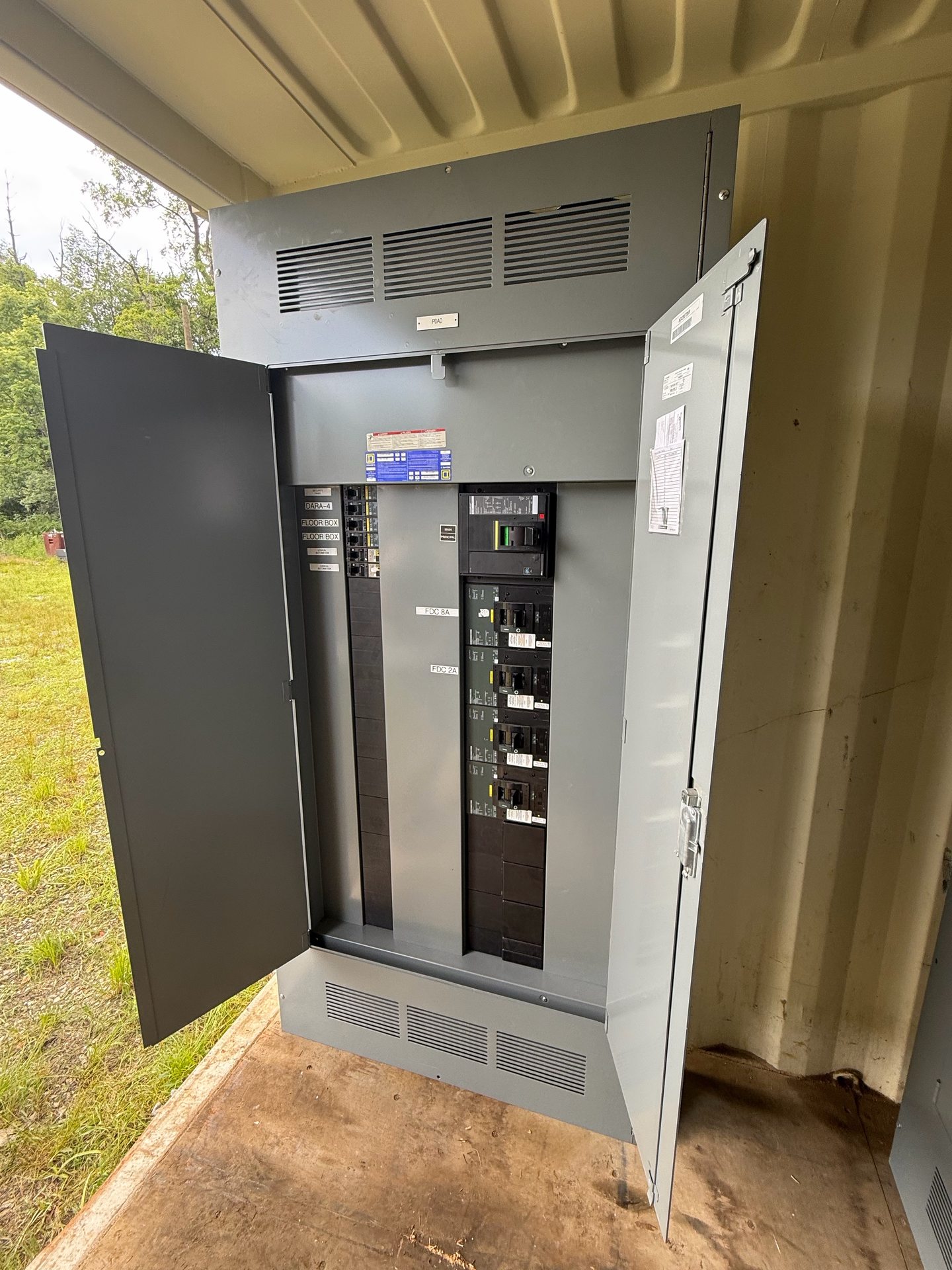
Start with the plant’s closure inventory
When a plastics plant closes, motor-control equipment may be spread across production areas, utility spaces, and storage. A useful first step is to identify what existing records already describe, rather than trying to inspect equipment or create a new inventory. Closure lists, electrical drawings, maintenance records, asset schedules, and project documents may help distinguish motor-control centers (MCCs) from other controls and from equipment that remains part of the building.
Descriptions do not need to be complete before you inquire. Share information that is already available and accessible, such as the equipment location, ownership, known condition, or photographs of exterior nameplates. If some details are unknown or records disagree, say so; an uncertain description should not be presented as a verified rating or condition.
Separate MCC assemblies from loose controls
An MCC is an assembly of sections that can contain motor-control units and related components. Loose controls, spare components, and individual units removed in the past are not necessarily complete MCC assemblies. Keeping those categories distinct helps an evaluator understand whether the closure includes assembled equipment, separate items, or both.
Use the plant’s existing labels and records where possible. For example, an inventory may identify a particular MCC by area or equipment tag, while a separate storeroom list may describe spare starters or other controls. Avoid assuming that loose items belong to a particular assembly unless records support that connection. If the plant documents do not make the distinction clear, flag the uncertainty instead of making a physical check.
Confirm ownership and authority to sell
Before discussing a transaction, establish who owns the equipment and who is authorized to represent the owner. A closure can involve a plant operator, property owner, parent company, lender, or appointed representative, and the person coordinating site information may not have authority to sell the assets. Existing asset records, closure documents, or internal approvals can help clarify the right contact.
Include known ownership limits or unresolved questions in the inquiry. Equipment shown in a plant record may not necessarily be available for sale if it belongs to another party or is excluded from the closure. Clear ownership information helps keep an evaluation focused on equipment the seller is authorized to offer.
Use existing ratings and records carefully
Records may identify voltage class, equipment ratings, manufacturer information, tags, or prior service history. Share what is already documented, and distinguish a nameplate rating from the voltage currently present at equipment. A rating is a marked equipment characteristic; it does not establish live voltage or prove present operating status. The buyer considers all voltage classes, so a missing or unfamiliar rating does not by itself prevent an inquiry.
Do not enter restricted or unsafe areas or approach equipment to obtain missing details. Never touch energized equipment. Sellers must never open, operate, or approach energized equipment, and should not test equipment or attempt to make it ready for evaluation. It is acceptable to ask about equipment that remains installed or operating using information already available.
Describe condition without requiring testing
Known condition can be useful, but it need not be established through seller testing. Existing maintenance notes may indicate that an assembly was in service, taken out of service, or identified for repair; report those notes as records, not as a fresh inspection. If condition is not documented, say that it is unknown rather than assigning a condition based on appearance or assumption.
The company buys surplus, used, and decommissioned motor-control centers and related electrical equipment; it does not sell equipment to the closure seller. Testing is not required to make an inquiry. The buyer can consider the information available and determine whether to make a cash offer, without a promise that any specific equipment will be purchased.
Clarify scope and handling before a purchase
For equipment that is purchased, the buyer handles disconnects, crane and rigging work, loading, freight, and hauling. Freight is covered for purchased equipment. Sellers should not undertake or arrange those operations. The buyer also pays upfront for purchased equipment, but a purchase or particular price is not guaranteed before an agreement.
When describing the closure, identify the relevant equipment and its location using existing records, and note any known limits on access or timing. The buyer’s evaluation can then address the proposed scope and logistics without asking the seller to move equipment or perform work. Keep the inquiry grounded in documented facts, make uncertainties explicit, and leave physical handling to the buyer if a purchase is agreed.