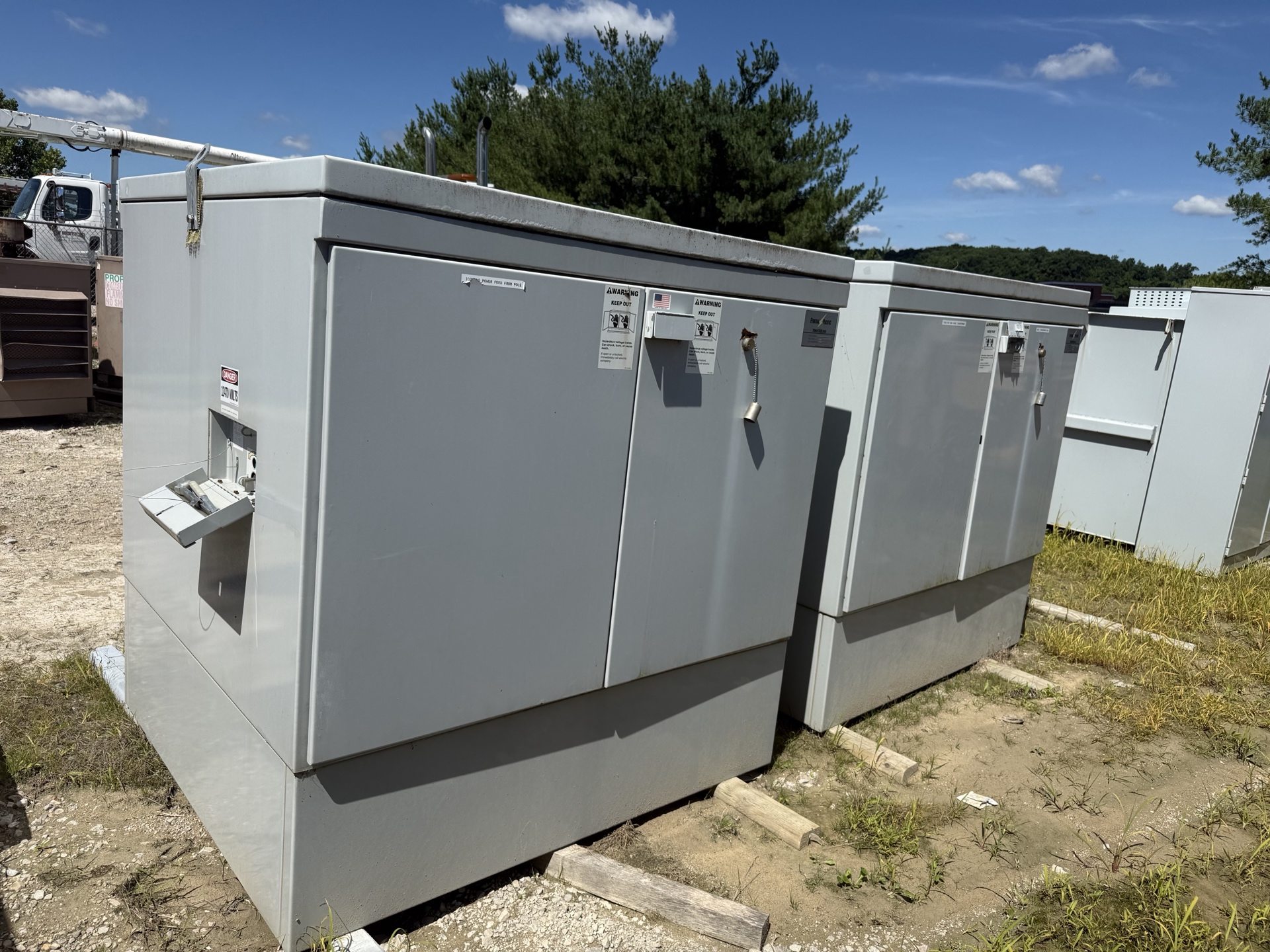
Start with the switchboard sections included in the closure
When a food-processing plant closes, its switchboards may be only part of a larger surplus-equipment inventory. A useful first step is to identify which switchboard sections are being considered and how they fit into the closure: for example, whether the inventory includes a main section, distribution sections, or separately identified equipment. Use the names and groupings already shown in site records or on accessible labels. Do not assume that every section is available, complete, connected, or in the same condition simply because it served one facility.
If several sections are involved, an existing equipment schedule, asset list, or closure inventory can help distinguish them. If no list exists, a brief description of what is known is still useful. You do not need to inspect equipment or obtain details that cannot be reached safely. The goal is to describe the available equipment accurately, not to certify its condition.
Share visible labels without treating ratings as live conditions
Safely accessible exterior nameplate information can help identify a switchboard, including its manufacturer, catalog or type designation, and stated ratings. A voltage rating is a marked equipment characteristic; it does not establish the voltage present at the equipment now. Likewise, a label or drawing may document intended configuration without confirming what is currently connected or operational. Report what the label says, and keep unverified details clearly separate from known facts.
Photos of exterior labels or the equipment’s visible front may help clarify identification, if they are already available and can be shared without entering an unsafe area or approaching energized equipment. Do not remove covers, open equipment, operate switches, or seek a closer view. If a label is unreadable, inaccessible, or absent, say so rather than guessing. A buyer can consider an inquiry with incomplete information.
Describe condition as known, not as assumed
A closure does not by itself establish whether a switchboard is serviceable, damaged, complete, or suitable for reuse. Share condition information that is already documented or directly known, such as an existing inspection record or a reported history of a problem. Make clear when information is approximate, outdated, or based on someone else’s report. Avoid presenting an assumption as a verified fact, and do not arrange testing to support an inquiry.
The buyer considers used, surplus, and decommissioned electrical equipment, including switchboards, across all voltage classes. Testing is not required for the seller to inquire. That does not mean an offer is assured or that every item will be purchased; the buyer evaluates the information available and may ask follow-up questions before deciding whether to make a cash offer.
Make ownership and site access clear early
For a plant closure, identify who is authorized to discuss the equipment and confirm which switchboard sections are included in the proposed sale. If ownership, sale authority, or the closure inventory is still being resolved, explain that status rather than implying approval is complete. Sharing the facility location and a suitable site contact can help the buyer understand where the equipment is and whom to consult about access.
Access requirements are specific to each site. Explain known conditions such as appointment or escort arrangements, operating hours, check-in expectations, or restrictions on entering particular areas. Mention any limits already communicated by the facility, without trying to assess or change them yourself. Sellers must not enter unsafe areas or approach equipment that may be energized. Never touch energized equipment.
Keep equipment discussion separate from removal work
You may inquire about switchboards that remain installed or are still operating by using information already available, including records, exterior labels, photographs, and known location details. Do not open or operate equipment, attempt to make it safe, or arrange work so someone can gather information. If a condition or access detail is unknown, identify it as unknown. The buyer can consider that uncertainty when reviewing the inquiry.
For equipment it purchases, the buyer handles disconnects and the physical arrangements for crane, rigging, loading, freight, and hauling. The seller does not perform or arrange those operations. Freight is covered for purchased equipment. These arrangements apply only if a purchase proceeds; an inquiry alone does not confirm a purchase, removal plan, or payment.
Give the buyer a practical closure summary
A concise inquiry can bring together the sections being offered, visible identifying information, the Indiana site location, known condition, ownership or authorization status, and access requirements. Include only what is available and safe to share; no single detail or complete equipment schedule is required to begin a discussion. The buyer pays upfront for equipment it purchases, but neither a purchase nor a particular offer is guaranteed. Clear distinctions between documented facts and unanswered questions help both parties assess whether the switchboards merit further consideration.