Separate Stored Spares from Breakers in Operating Lineups
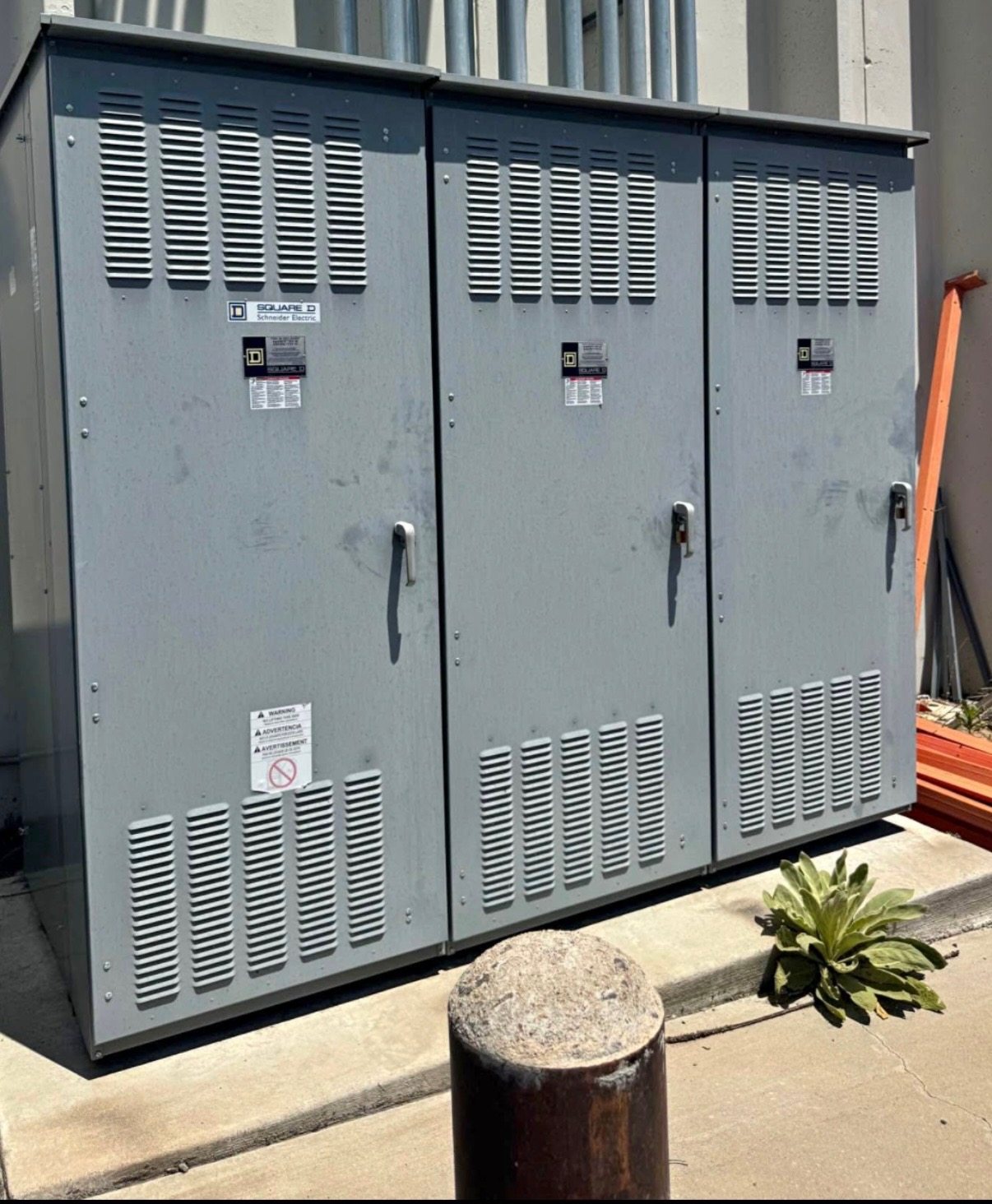
When reviewing surplus circuit breakers at an Indiana data center, start by distinguishing equipment already stored as spare inventory from breakers installed in switchgear or another operating lineup. Those are different situations for an initial review: a stored breaker may be described from existing inventory records, while an installed breaker can be discussed using information already available without changing the lineup. The buyer considers surplus, used and decommissioned electrical equipment, including breakers from data centers, but a purchase is not guaranteed.
Do not open, operate or approach energized equipment, and do not enter unsafe areas to collect information. Never touch energized equipment. If a breaker remains installed or the facility is operating, you may still ask about it based on records, safely accessible exterior details or information already known. You do not need to make equipment safe or non-operating before inquiring, and you should not take action to prepare it for removal.
Use Existing Labels and Inventory Records
For stored spares, an existing equipment list, prior inventory record or safely accessible exterior nameplate can help identify what is available. Useful details may include the manufacturer, model or catalog designation, frame or other identifying information shown on the label, and an approximate count. Share only information you can access safely; do not open a breaker or enclosure, remove a cover, or retrieve a label that cannot be reached without entering an unsafe area.
Approximate counts are appropriate for an initial conversation. For example, you can say that an inventory record shows several breakers of one model and a smaller number of another, while noting that the count has not been physically confirmed. If a label or record is unclear, describe the uncertainty rather than guessing. A clear distinction between a verified label detail and an estimate helps the buyer assess the inquiry without making testing a condition.
Describe Ratings Without Treating Them as Live Conditions
Breaker labels may identify ratings and other equipment characteristics, but a rating is not the same thing as the voltage present in a facility at that moment. Share the label wording as recorded or visible, and distinguish it from any separately known information about the equipment’s service. If the rating is unavailable, incomplete or uncertain, say so; do not infer a value from the lineup or attempt to verify it by operating or testing the breaker.
All voltage classes are considered, so an uncertain or less commonly encountered rating is not, by itself, a reason to withhold an inquiry. The actual label and available documentation matter more than assumptions about what a particular rating means. Testing is not required to request consideration, and the seller should not test, energize or otherwise operate breakers to fill gaps in the information.
Give Context for Condition and Ownership
Along with model labels and approximate counts, an owner or authorized representative may share the equipment’s location, ownership status and known condition. A brief description could explain that breakers are stored spares, came from a decommissioned area, or remain installed in an operating lineup. If condition is unknown, say that it is unknown rather than presenting an estimate as a confirmed fact. Existing photos may also help if they were obtained safely and do not require access to an unsafe area.
Ownership and authority to discuss or transfer the equipment are important practical details. If you are facility personnel rather than the owner, make clear your role and whether you are authorized to discuss the surplus. There is no need to gather every possible record before making an inquiry; provide what is already available and identify what is missing. The buyer can consider the information provided, but neither an offer nor a purchase is assured.
Understand the Purchase and Handling Arrangement
The business buys surplus equipment; it does not sell breakers to the person making an inquiry. For purchased equipment, the buyer handles disconnects and the physical handling arrangements, including crane, rigging, loading, freight and hauling. Freight is covered for purchased equipment. The seller should not disconnect, move, lift, rig, load, ship or haul breakers, or arrange for someone else to do those tasks.
For a purchase, payment is upfront, and the seller is not required to test the breakers. These terms describe the arrangement for equipment that is purchased; they do not promise that every breaker will receive an offer or that a transaction will proceed. An owner can request a cash offer using available information, while leaving any decision about a possible sale until the equipment and circumstances have been reviewed.
Make an Inquiry That Reflects What You Know
A useful initial inquiry can be concise: identify whether the breakers are stored spares or installed, give the model details shown in existing records or safely accessible labels, estimate the count, and note the location, ownership and known condition. Mark estimates and unknowns plainly. If the breakers remain in service, say so rather than attempting to change their status for the inquiry. This lets the buyer review the situation without asking facility personnel to test equipment or enter hazardous spaces.
Whether the inventory consists of a few stored units or breakers associated with a larger decommissioned data-center project, start with information already at hand. Do not delay an inquiry solely because a label is inaccessible or a count is approximate, and do not seek details through unsafe access. The buyer can consider surplus breakers across voltage classes, but any purchase remains subject to review rather than guaranteed by the initial description.