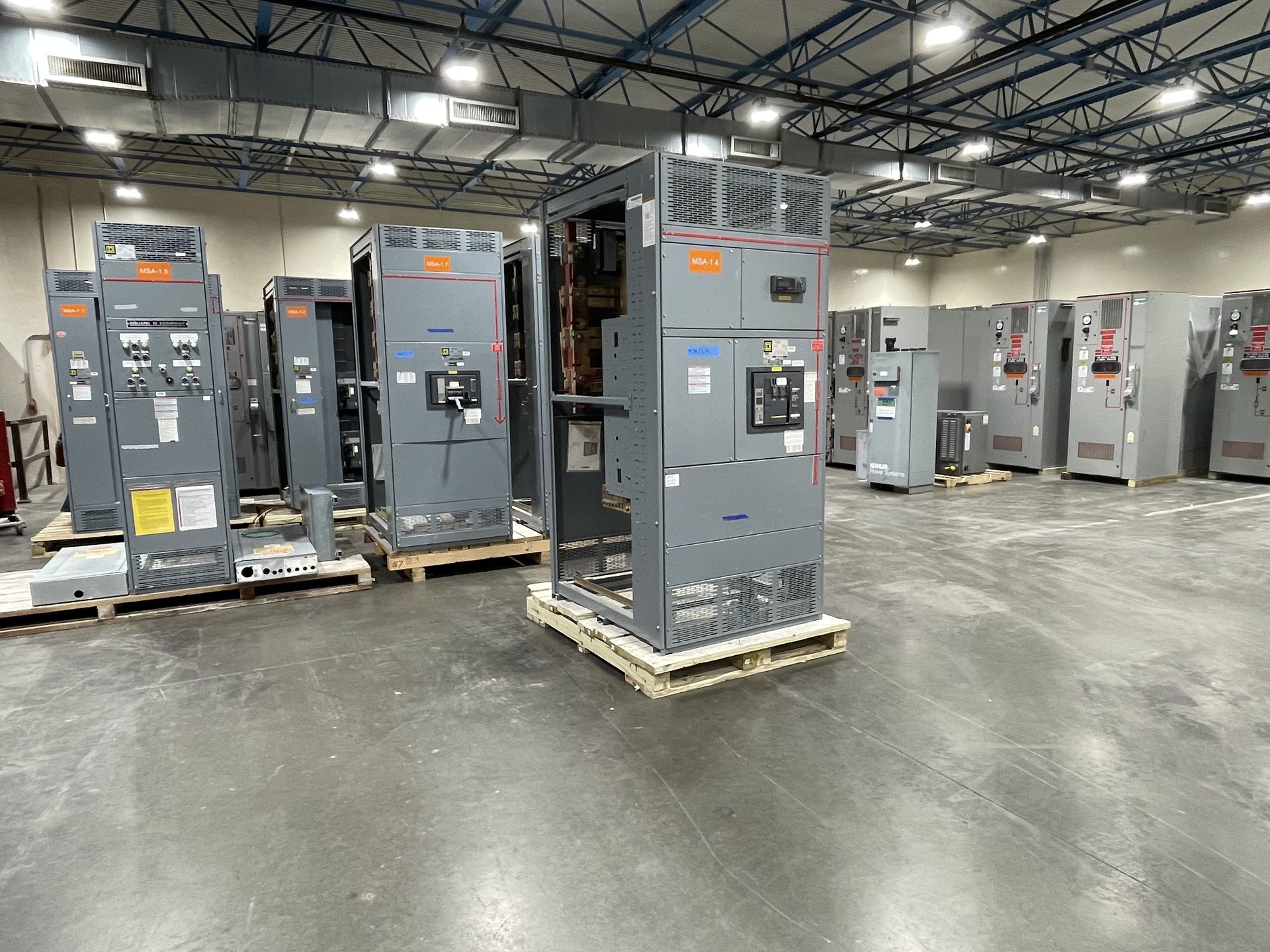
Separate surplus from equipment the upgrade still depends on
A data-center project can leave a mix of removed equipment, gear scheduled for replacement, and equipment that remains essential to current or future operations. Before asking about a sale, make a simple distinction between items that are already surplus and items the facility still needs. This helps keep an inquiry focused and avoids treating an entire electrical lineup as available when only part of it may be excess.
Useful context includes which switchgear or related equipment was replaced, what remains in service, and whether any retained equipment is expected to become surplus later. If a unit is still installed or operating, you may inquire using information already available to you. There is no need to access equipment or change its status to ask whether it may be of interest.
Describe each item as specifically as your records allow
For replaced equipment, share the equipment type and quantity, along with any identifying information already available in project records or safely accessible from the exterior. A list might distinguish switchgear from switchboards, motor-control centers, panelboards, busway, automatic transfer switches, breakers, or unit substations. These categories are not interchangeable, and a clear description helps the buyer assess what is being offered.
Existing nameplate details, labels, photographs, drawings, or an equipment schedule can add useful context, but do not make an item inaccessible just to collect information. If a label is visible without approaching an unsafe area, its wording may help identify a rating or configuration. If information is missing, report that it is unknown rather than presenting an estimate as a verified fact.
Keep equipment ratings separate from live operating conditions
A label may state a voltage rating, but that rating describes equipment information; it does not establish the voltage present at a particular moment. When sharing a rating, identify it as label information and keep any known operating-voltage information separate. If the actual condition is uncertain, say so. The buyer considers all voltage classes, so uncertainty or a rating outside an assumed range is a reason to provide the information available, not to guess.
Never touch energized equipment. Sellers must not open or operate equipment, approach energized equipment, or enter unsafe areas to obtain details. An inquiry can be based on records, existing photographs, safely accessible exterior information, and what the seller already knows. No testing is required for the buyer to consider equipment.
Report expected availability, not just the upgrade date
Timing matters because a project schedule and a surplus date are not necessarily the same. State whether equipment has already been replaced and is available for consideration, or whether it is still needed and may become available later. If a date is tentative, identify it as an estimate and explain what could change it, such as a phased upgrade or continued operational need.
For equipment that remains installed or in use, share only the expected availability that your records or project team can support. Do not arrange or perform disconnection, removal, or movement as part of making an inquiry. If a purchase is made, the buyer handles disconnects and the physical handling and transportation tasks.
Clarify ownership and the equipment’s known condition
An authorized seller should be able to identify who owns the equipment or who is permitted to discuss its disposition. If ownership or approval is still being confirmed, say so. This is especially useful where a facility operator, property owner, project contractor, and equipment owner may be different parties. Include the Indiana facility location and any known access or scheduling constraints that could affect a later transaction, without making assumptions about arrangements.
Describe condition in factual, limited terms: for example, whether the equipment was removed during the upgrade, remains installed, or has a known issue documented in existing records. Avoid claiming that equipment is operational, tested, complete, or ready for reuse unless that information is verified. A cash offer is not guaranteed, and the buyer may need to review the available details before deciding whether to make one.
Understand what happens if equipment is purchased
The business buys surplus, used, and decommissioned electrical equipment; it does not sell equipment to the inquiring facility. For equipment it purchases, payment is made upfront, testing is not required, and freight is covered. A purchase is not guaranteed, and the terms apply to purchased equipment rather than to every item submitted for consideration.
The buyer handles crane, rigging, disconnects, loading, freight, and hauling for equipment it purchases. The seller does not perform or arrange those operations. When preparing an inquiry, concentrate on separating what is truly surplus from what the data center still needs, reporting labels and known facts accurately, and giving a realistic expected-availability window. That information supports a useful review without asking facility personnel to access or handle equipment.