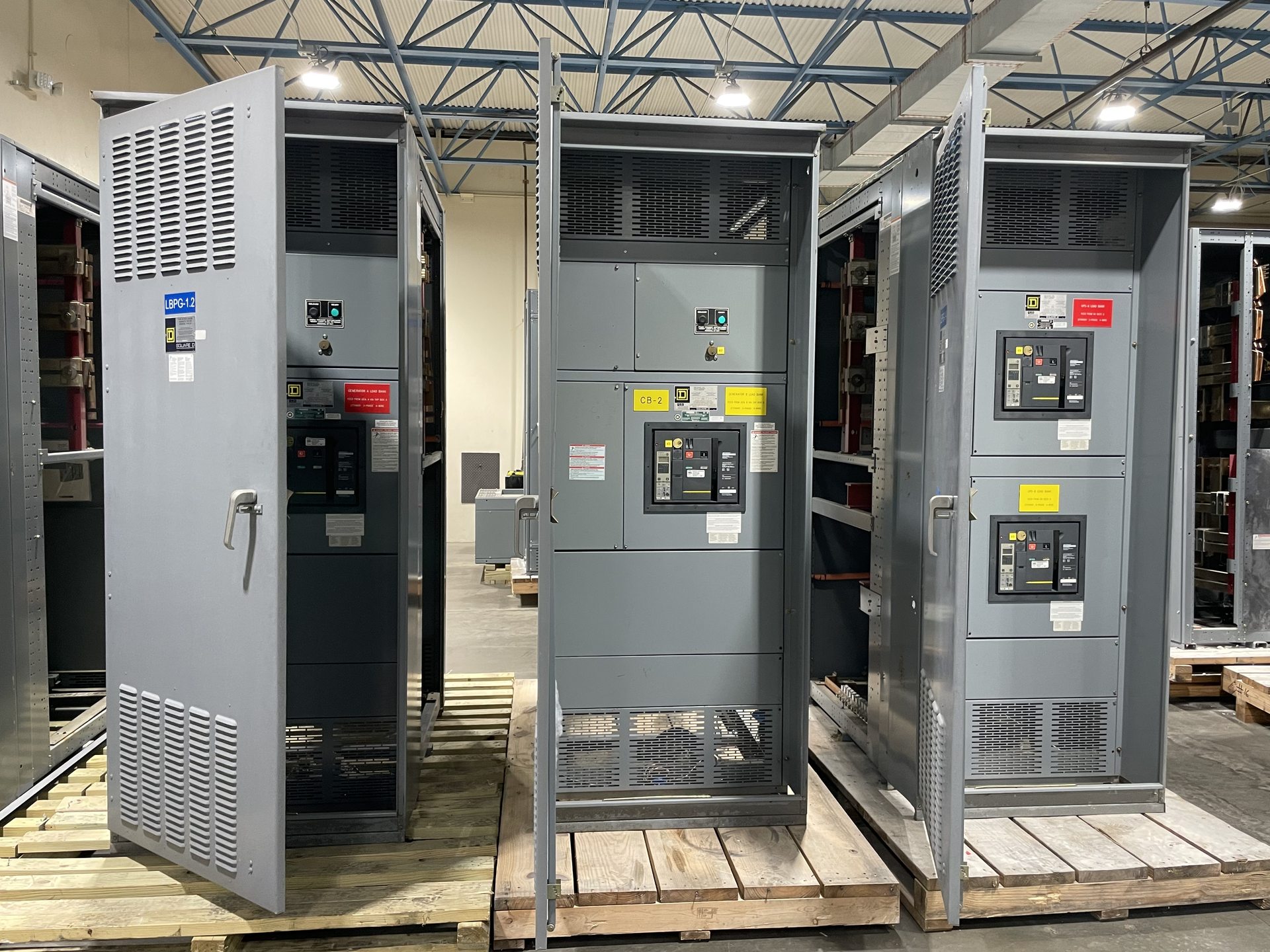
Separate the generator from the electrical equipment around it
When a data center retires generator capacity, the generator and its associated switchgear may be part of the same project, but they are distinct assets. A generator produces electrical power; switchgear and related assemblies manage connections, protection, and distribution. An equipment buyer evaluating surplus assets needs to know which electrical sections are being offered, not simply that a generator plant is closing.
This distinction matters whether equipment is already removed from service or remains installed. An Indiana facility representative can inquire using information already available, without opening or operating equipment. Never touch energized equipment. Sellers must not approach energized equipment or enter an unsafe area to gather details.
Describe the boundaries of the package
Clarify whether the opportunity includes only generator-associated switchgear or also other electrical equipment in the same room or project. Depending on the installation, relevant assets may include switchgear sections, switchboards, breakers, automatic transfer switches, motor-control centers, panelboards, busway, or a unit substation. These are not interchangeable categories, and a buyer should not assume every item is included because it serves the generator system.
If equipment is grouped into lineups or sections, describe the known boundaries in ordinary terms: which assemblies are included, which are excluded, and whether the offer covers one lineup or multiple pieces. A facility equipment list, project record, or existing photographs may help establish scope. If a boundary or component is uncertain, identify it as uncertain rather than presenting a guess as verified.
Identify controls, breakers, and spares separately
Ask which controls and ancillary components are included with the electrical equipment. Relevant details may include controls associated with a section, breaker quantities, or spare components documented as part of the surplus package. The point is not to produce an exhaustive inventory before making an inquiry; it is to avoid treating separately stored spares or controls as automatically included in the main equipment.
Where records already exist, they can help describe what is present and what is known to be missing. Do not seek inaccessible details or enter a restricted area to verify a component. If a record identifies an item but its current presence is unknown, say so. Clear distinctions between included, excluded, and unconfirmed items help the buyer evaluate the package on its actual scope.
Share ratings without confusing them with live conditions
Existing equipment schedules, drawings, and safely accessible exterior nameplate information may help identify a section. A nameplate rating is not the same thing as the voltage currently present in an operating system. Avoid using a rating to claim a live condition, and do not infer an exact equipment configuration from a partial label or an old document.
Information may be incomplete, especially when records were prepared for a larger installation. Share what is already available, such as equipment descriptions, photos taken from a safe location, location within the facility, ownership information, and known condition. Testing is not required for the buyer to consider surplus equipment. Do not open, operate, or test equipment to fill gaps in the description.
Explain facility status and known condition carefully
For equipment associated with a data center closure or power-plant retirement, explain the status as it is known: for example, whether the asset is still installed, described as decommissioned in existing records, or part of a planned project. Equipment that remains installed or operating can still be discussed using available information. A seller should not be asked to make it safe or non-operating before an inquiry.
Describe condition in factual, qualified language. If a facility record reports a known issue, say that the record reports it; if condition has not been verified, make that clear. Avoid broad claims such as “complete” or “fully functional” unless the available information supports them. The buyer considers used, surplus, and decommissioned equipment across voltage classes, but consideration does not guarantee a purchase or a particular value.
Understand the purchase and handling arrangement
The business buys surplus electrical equipment; it does not sell generator switchgear. For equipment it purchases, payment is upfront, the seller is not required to test the equipment, and freight is covered. A cash offer may be considered after the buyer reviews the available information, but neither an offer nor a purchase is guaranteed.
For purchased equipment, the buyer handles disconnects, crane and rigging, loading, freight, and hauling. The seller does not perform or arrange those operations. This division is important when discussing an installed asset: provide information that is safely available, and leave physical handling to the buyer for equipment it purchases. No seller should approach energized equipment or attempt to move or prepare it for pickup.
Make the first inquiry useful without over-preparing
A concise initial description can identify the Indiana facility, the generator-related electrical equipment under consideration, known package boundaries, and whether supporting records or exterior photos are already available. Add the equipment location and ownership information when known, along with any stated condition or uncertainty. You do not need to assemble every detail or verify inaccessible components before asking whether the buyer will consider the equipment.
The most useful inquiry separates the generator itself from the switchgear and clearly names included sections, controls, and spares to the extent that existing information allows. That gives the buyer a practical basis to review the opportunity while avoiding assumptions about ratings, condition, or scope. If the package is accepted for purchase, handling and freight responsibilities follow the buyer’s stated arrangement.