Start the sale discussion before the demolition schedule is fixed
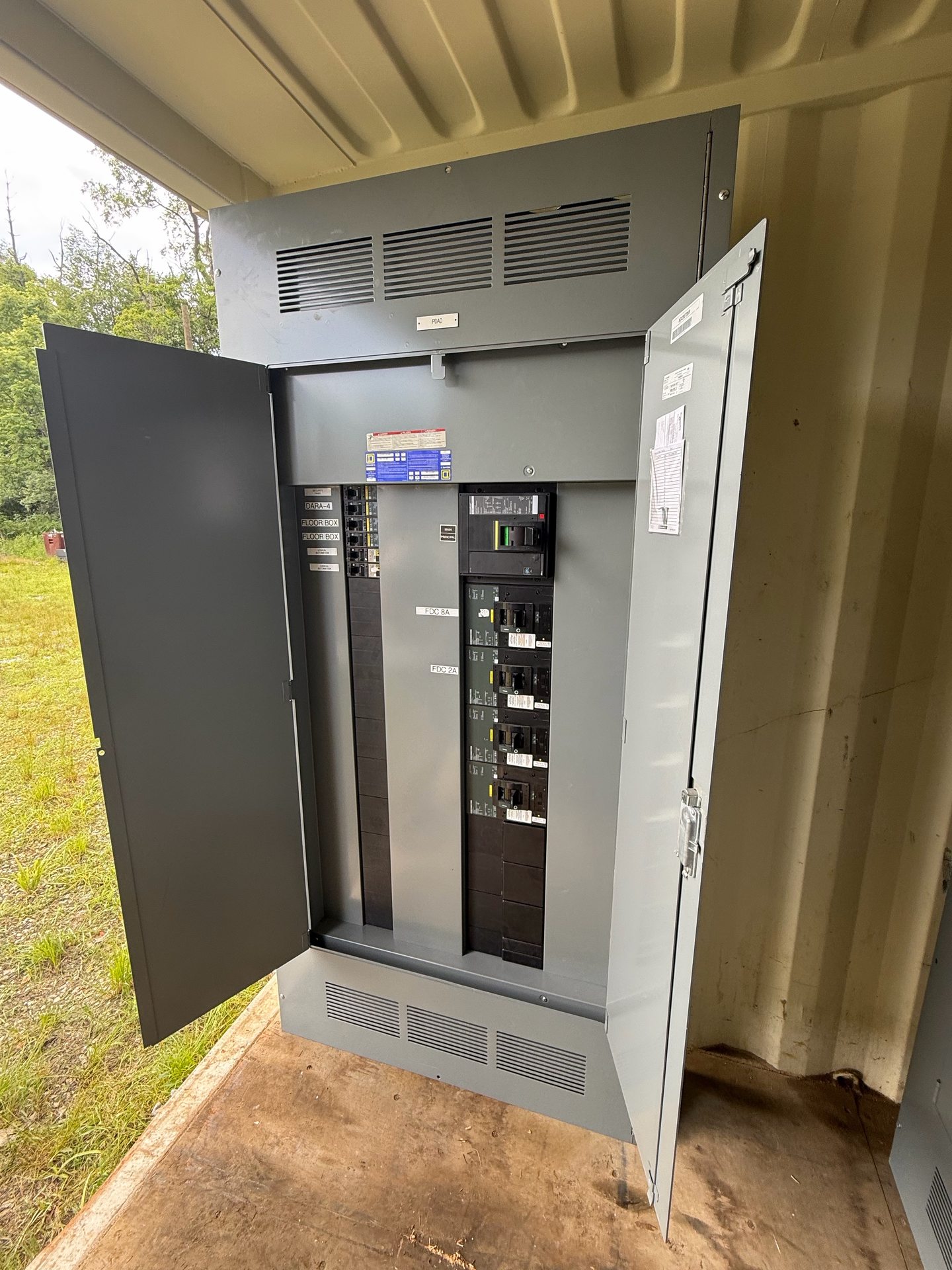
When an Indiana data center is approaching demolition, switchgear may be considered for sale while the building is still operating, partly occupied, or awaiting shutdown. Begin by identifying the person or organization authorized to discuss the equipment and the expected window for releasing it. These details help determine whether a proposed purchase can fit the project schedule; they do not establish that the equipment will be purchased or that an entire building’s contents can be sold.
The business buys surplus, used, and decommissioned electrical equipment, including switchgear and related distribution equipment. It considers equipment across all voltage classes, including equipment from closed data centers and power plants. It buys rather than sells, so an inquiry is for a possible purchase, not a request to supply replacement gear or perform demolition work.
Confirm who can authorize the equipment’s sale
A facility employee may know the equipment well but may not have authority to sell it. Clarify who owns the gear, who can approve its release, and whether a property owner, operating company, asset manager, lender, or other party must participate. If your role is limited to gathering information, say so and identify the appropriate decision-maker when known.
Authorization matters especially when equipment is part of a larger demolition or property transaction. A proposal concerning identified switchgear should not be treated as permission to remove other electrical assets, building materials, or equipment. Keep the scope specific: describe which lineups or other items are being considered, and distinguish confirmed sale authority from questions still awaiting approval.
Describe the release window without promising access
Share the demolition milestones that are already known, such as the anticipated date when the equipment might be released and any deadline for a purchase decision. Dates can change as project plans develop, so label estimates as estimates and note which dates have been confirmed by the responsible project team. A release window helps frame the discussion but does not guarantee a purchase, payment date, or completion before demolition.
Also explain the site’s access constraints at a planning level. For example, note whether access is controlled, whether a facility contact must coordinate entry, or whether the area may become unavailable after a particular project milestone. Do not enter restricted or unsafe areas to gather details, and do not approach equipment to obtain information. Never touch energized equipment.
Share available information, not unverified assumptions
Useful information may include equipment lists, ownership details, location within the facility, photographs already available, and safely accessible exterior nameplate details. You do not need to obtain information that is inaccessible or put yourself at risk to complete an inquiry. If a label is unavailable, unreadable, or not yet confirmed, state that plainly rather than estimating.
A nameplate rating is not the same thing as the voltage presently on equipment. Record what a label states as a rating, and describe live operating status only when that is already known through appropriate facility information. If the status is uncertain, say it is uncertain. Sellers should never open or operate equipment, or enter an unsafe area, to answer questions or verify condition.
Understand the purchase scope and handling responsibilities
For equipment that is purchased, the buyer handles disconnects, crane and rigging work, loading, freight, and hauling, and covers freight. The seller should not perform or arrange those operations. This division is relevant to demolition coordination: the parties need to discuss timing and access, but the buyer’s handling responsibilities do not mean that the seller should move equipment or prepare it for transport.
Testing is not required from the seller. Share known condition information and existing records if available, while distinguishing documented facts from impressions or unknowns. The business may make a cash offer, but neither an offer nor a purchase is guaranteed. For purchased equipment, payment is upfront; confirm the proposed scope and terms rather than assuming that an inquiry itself creates a commitment.
Keep demolition coordination separate from a sale agreement
Before relying on a possible sale in project planning, establish which equipment is under discussion, who has authority to approve it, the expected release window, and how site access would be coordinated. Make clear which details remain provisional. A discussion about selected switchgear is not a promise to purchase all electrical equipment, take responsibility for demolition, or meet a particular project date.
Owners and authorized representatives can begin with information they already have and identify what remains unknown. That approach supports a practical review without asking facility personnel to inspect, test, disconnect, or handle equipment. It also gives the decision-maker a clearer basis for coordinating a possible purchase with demolition plans while keeping scope, access, and timing appropriately conditional.