Describe the two paths as records identify them
If data-center documents identify separate power paths, use the names and designations already shown in those records. For example, explain that an equipment schedule labels certain switchgear “Path A” and other gear “Path B,” if that is what the schedule says. Do not turn those labels into a claim about how the facility is wired, how loads transfer, or whether one path can support the other. A label can identify equipment without establishing the complete electrical arrangement.
This distinction matters when seeking an offer for surplus equipment. A buyer can review the stated designations as a starting point, but should not be expected to infer a verified topology from path names alone. If the records use different terms, retain those terms and say which document they came from when that is known. If a relationship between the paths is not documented or is uncertain, describe it as uncertain rather than presenting it as fact.
Keep equipment identity separate from system assumptions
Identify the individual assets as specifically as the information you can safely access allows. Existing equipment lists, project records, prior decommissioning documents, and safely accessible exterior nameplate details may show a manufacturer, type of equipment, rating, or asset identifier. Photos already available can also help clarify which items are under consideration. You do not need to obtain every detail, and you should not approach equipment or enter an unsafe area to fill in gaps.
Be careful with voltage descriptions. A nameplate rating is not a measurement of the voltage present at the equipment, and a record of a system voltage does not by itself verify the rating of a particular unit. Attribute each figure to its source: for instance, distinguish a value shown on an equipment label from one copied from a one-line drawing or an asset register. If the source is unclear, say so.
Explain operating status without disrupting supply
Equipment associated with a redundant path may still be installed or part of an operating facility. You may inquire about it using information already available, such as existing records, exterior details that are safely accessible, or knowledge of its general status. State whether the records describe it as installed, spare, removed, or decommissioned only when that information is known. If its status has not been confirmed, say that rather than assuming it is surplus and available for removal.
Never touch energized equipment. Do not open, operate, or approach energized equipment, and do not enter an unsafe area to take photographs or verify a label. An inquiry does not require you to interrupt an operating supply or make equipment safe. A buyer can consider the information provided and determine whether it is sufficient to discuss a possible purchase.
Give a practical picture of the available equipment
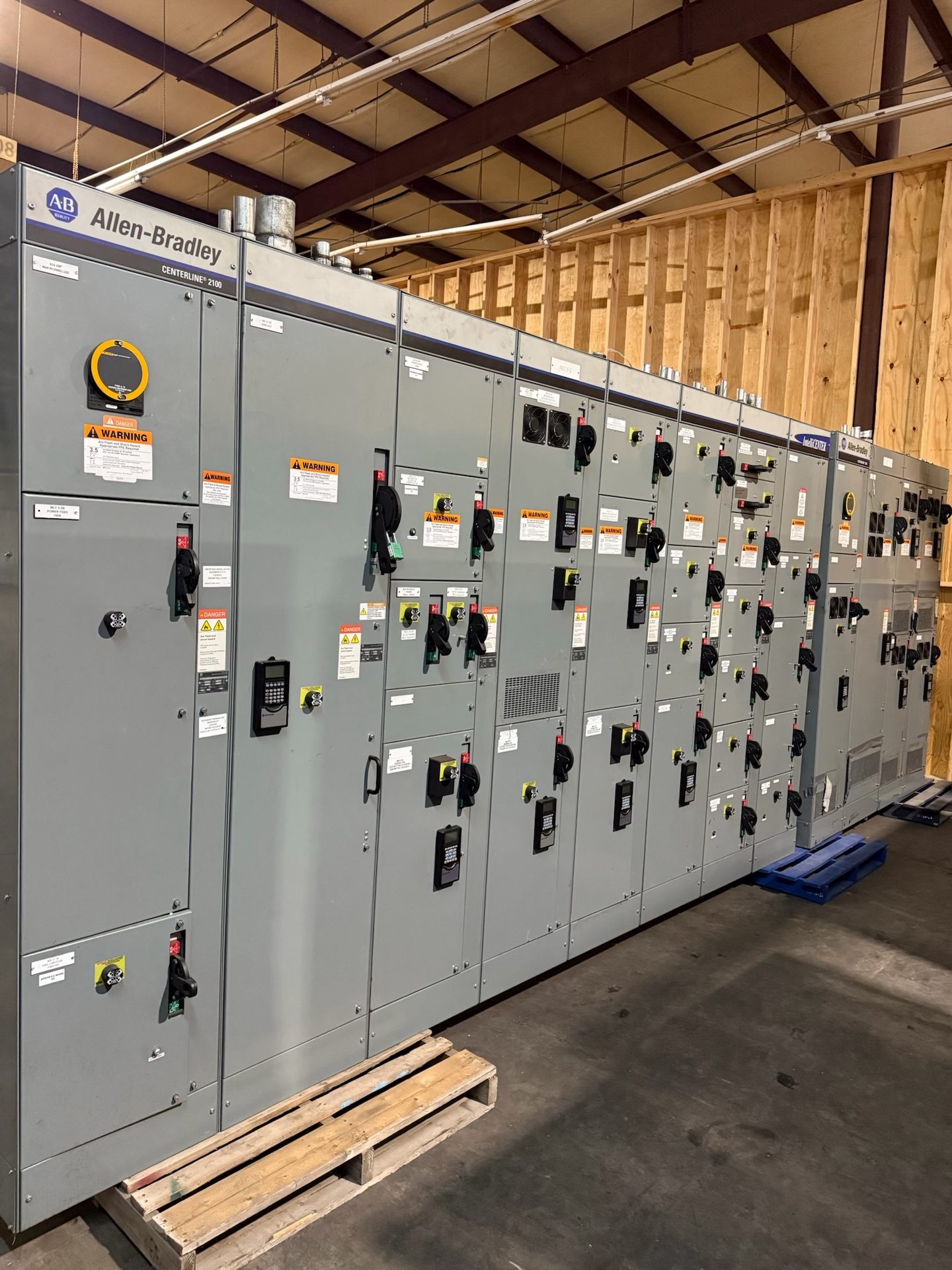
When records permit, describe the equipment type and approximate scope: switchgear, switchboards, breakers, motor-control centers, panelboards, busway, automatic transfer switches, or other associated electrical equipment. Note whether the inquiry covers assets from one path, both identified groups, or a larger surplus package. This helps distinguish the equipment being considered without making assumptions about how the paths connect or function.
Useful context may include the Indiana facility location, ownership or authorization to sell, known condition, and whether records identify the equipment as used, surplus, or decommissioned. Share only information you are authorized to provide. You do not have to certify condition or arrange testing; testing is not required for the buyer to consider equipment. Clearly separate observations already documented from estimates or unknowns.
Understand what a potential purchase involves
The business buys surplus, used, and decommissioned electrical equipment; it does not sell equipment to the facility. It considers all voltage classes, including equipment from closed data centers and power plants. Providing information is a way to request consideration, not a promise that the equipment will be purchased. A cash offer depends on review and is not guaranteed, regardless of the number of paths or the apparent value of the assets.
For equipment purchased, payment is upfront. The buyer covers freight and handles crane, rigging, disconnects, loading, freight, and hauling. The seller does not perform or arrange those operations. Do not disconnect, move, lift, load, ship, or haul equipment as part of making an inquiry. Any discussion about a potential purchase can begin with information already available, including when equipment remains installed or operating.
Make the inquiry clear about what is known
A concise description can state that existing records identify two separately named power paths, list the equipment associated with each designation where known, and identify any missing or uncertain details. Include available photos or documents only when they are safe to access and appropriate to share. Avoid presenting a drawing label as proof of actual operating topology, or an unverified condition as a confirmed fact.
That careful framing gives an authorized Indiana seller a practical way to discuss redundant-path equipment without making technical claims beyond the records or disturbing service. The buyer can review the available description and determine whether to make an offer. No equipment testing, seller-arranged handling, or interruption of supply is required to begin that conversation.